

Understand the causes of pregnancy swelling in the third trimester, safe ways to reduce swelling, the benefits of prenatal yoga, and when to seek medical care.
Pregnancy is one of the most transformative experiences in a woman's life. As your body nurtures and supports your growing baby, it naturally undergoes many physical changes. While some changes are exciting like feeling your baby's first kicks others can be uncomfortable, especially during the final weeks of pregnancy. One of the most common concerns expectant mothers face is pregnancy swelling.
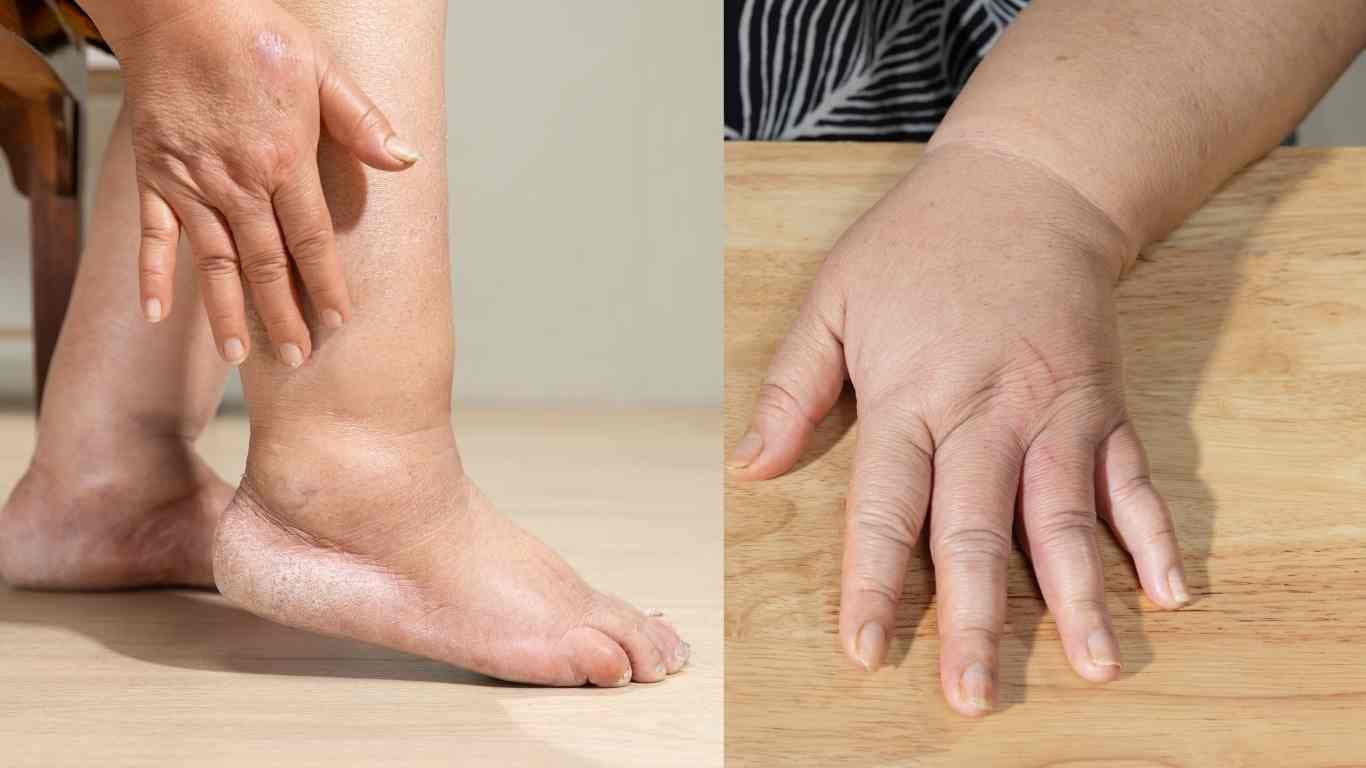
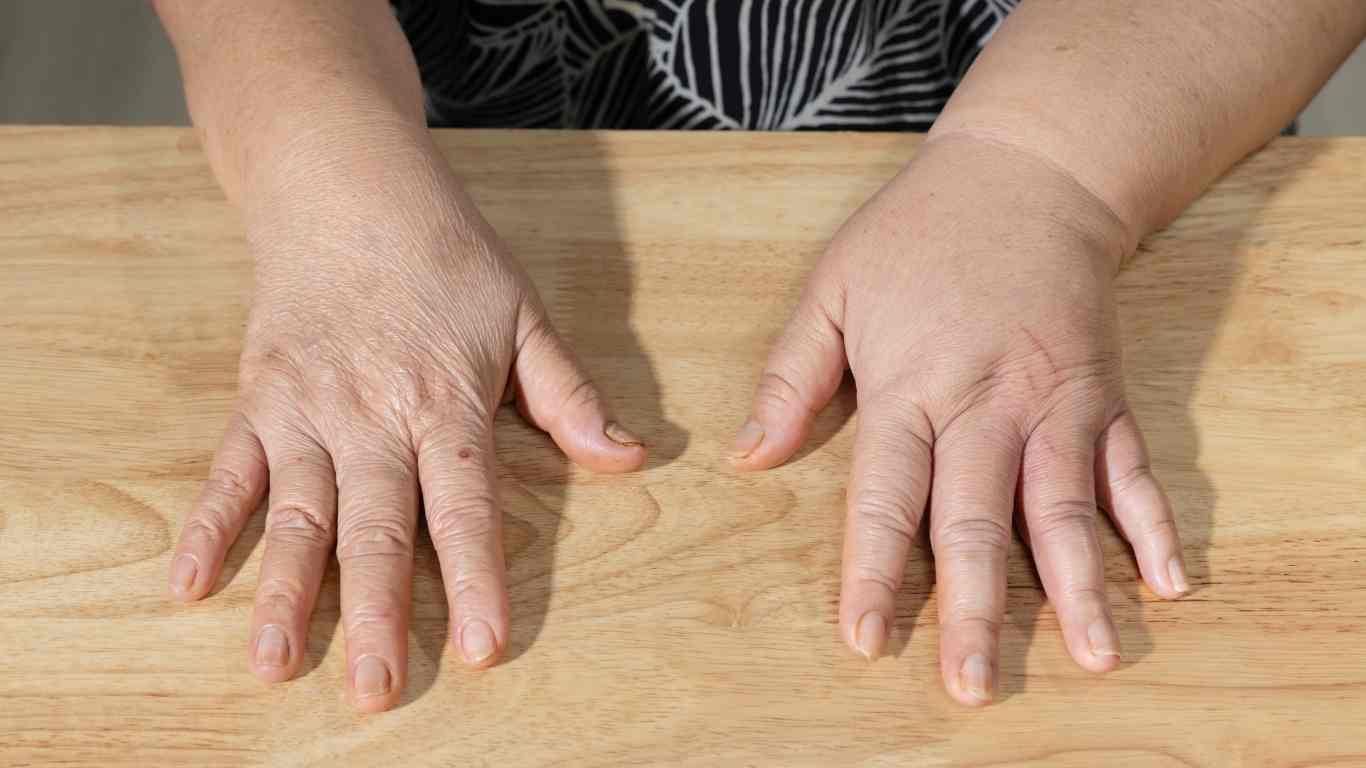
If your shoes suddenly feel tight, your fingers appear puffier than usual, or your ankles seem to disappear by the end of the day, you're not alone. Mild swelling of the hands, feet, ankles, and legs is a normal part of pregnancy for many women. This condition, medically known as edema, is especially common during the third trimester, when your body is working harder than ever to support both you and your baby.
Although pregnancy swelling is usually harmless, understanding why it happens and learning safe ways to reduce swelling can make your final trimester much more comfortable. Along with healthy daily habits, prenatal yoga offers a gentle and effective way to improve circulation, reduce third-trimester discomfort, and support both your physical and emotional well-being.
At CalmNest Yoga, we believe pregnancy is not just about preparing for childbirth—it's about caring for yourself every step of the way. Through expert-led prenatal yoga, mindful breathing, and pregnancy education, we help expecting mothers feel stronger, calmer, and more confident throughout every trimester.
This guide explores everything you need to know about pregnancy edema, swollen hands and feet in pregnancy, practical home remedies, nutrition, movement, warning signs, and how prenatal yoga can become an essential part of your pregnancy wellness journey.
What Is Pregnancy Swelling?
Pregnancy swelling, also known as pregnancy edema, refers to the buildup of excess fluid in the body's tissues during pregnancy. This extra fluid most commonly collects in the feet, ankles, legs, and hands, causing puffiness or tightness.
During pregnancy, your body naturally produces more blood and body fluids to nourish your growing baby, support the placenta, and prepare for childbirth. In fact, blood volume increases by nearly 50%, while hormone changes encourage the body to retain more water. This additional fluid retention is essential for a healthy pregnancy, but it also increases the likelihood of experiencing swollen hands and feet in pregnancy, particularly during the third trimester.
Most women notice that swelling becomes more noticeable toward the end of the day, after standing for long periods, or during hot weather. The good news is that in most cases, this is a normal part of pregnancy and improves after delivery.
Why Does Swelling Increase During the Third Trimester?
The third trimester is a period of rapid growth for your baby. As your uterus expands, it places increasing pressure on your veins and surrounding tissues, making it harder for blood and fluids to circulate efficiently.
Several factors contribute to edema in the third trimester:
1. Increased Blood Volume
Your body creates significantly more blood and body fluids during pregnancy to support your baby. This extra volume helps transport oxygen and nutrients but also contributes to fluid retention.
2. Pressure on the Veins
The growing uterus presses against the large veins that carry blood from your legs back to your heart. This slows circulation and allows fluid to collect in your lower limbs.
3. Hormonal Changes
Pregnancy hormones relax the walls of your blood vessels, making it easier for fluid to leak into surrounding tissues.
4. Gravity
Gravity naturally pulls fluids toward your feet and ankles throughout the day, making swelling more noticeable by evening.
5. Warm Weather
High temperatures cause blood vessels to expand, increasing swelling and making your hands and feet feel even puffier.
Common Symptoms of Pregnancy Edema
Most women experience mild to moderate symptoms of pregnancy edema, including:
- Puffy feet and ankles
- Tight-fitting shoes
- Fingers that feel stiff or swollen
- Rings becoming difficult to remove
- Swollen wrists
- Puffy face in the morning (mild)
- Skin that leaves a temporary indentation when pressed
- Heaviness in the legs after standing
These symptoms often improve after resting, elevating your legs, or sleeping overnight.
What Causes Swollen Hands and Feet in Pregnancy?
Several natural changes contribute to swollen hands and feet in pregnancy, including:
- Increased body fluids
- Reduced circulation
- Hormonal changes
- Weight gain
- Sitting or standing for long periods
- Hot weather
- High sodium intake
- Lack of physical activity
It's important to remember that your body is adapting to support your baby's healthy development. While these changes may feel uncomfortable, they are usually temporary.
Is Pregnancy Swelling Normal?
Yes. Mild pregnancy swelling is considered a normal part of pregnancy, especially after 28 weeks.
You may notice:
- Swollen feet after walking
- Puffy ankles at the end of the day
- Mild hand swelling
- Slight facial puffiness in the morning
- Improved swelling after resting
However, swelling should never be ignored if it appears suddenly or is accompanied by other concerning symptoms.
Risk Factors That Can Increase Swelling
Although any pregnant woman can develop pregnancy edema, certain factors increase the likelihood:
- Carrying twins or multiples
- Standing for long hours
- Hot and humid climates
- Excess sodium intake
- Limited physical activity
- Long-distance travel
- Obesity
- Poor circulation
- Previous history of swelling
Understanding these risk factors can help you make lifestyle adjustments that support better circulation and reduce discomfort.
12 Effective Ways to Reduce Swelling Naturally During Pregnancy
The good news is that mild pregnancy swelling can often be managed with simple lifestyle changes. While you cannot completely prevent edema in the third trimester, you can significantly improve your comfort by supporting healthy circulation and reducing excess fluid retention.
1. Practice Prenatal Yoga Regularly
One of the safest and most effective ways to reduce swelling naturally is through prenatal yoga.
Unlike high-impact exercises, prenatal yoga uses gentle stretches, breathing techniques, and mindful movement to encourage healthy blood circulation without placing unnecessary stress on the body.
Benefits of prenatal yoga include:
- Improves blood circulation
- Reduces pregnancy swelling
- Strengthens the pelvic floor
- Relieves lower back pain
- Reduces third-trimester discomfort
- Improves posture
- Supports healthy breathing
- Encourages lymphatic drainage
- Promotes better sleep
- Helps prepare the body for labor
At CalmNest Yoga, our certified instructors design trimester-specific yoga sessions that prioritize both mother and baby's safety. Every movement is carefully modified according to each stage of pregnancy.
2. Elevate Your Feet Whenever Possible
Gravity causes fluids to collect in your feet and ankles throughout the day.
Try elevating your legs:
- Above heart level for 20–30 minutes
- While watching television
- During work breaks
- Before bedtime
Using a pillow beneath your legs can improve circulation and encourage excess fluid to move back toward your heart.
3. Stay Hydrated
It may seem surprising, but drinking more water actually helps reduce swelling.
When you're dehydrated, your body holds onto more fluids as a protective response.
Aim for approximately:
- 2.5–3 liters of water daily (unless your doctor advises otherwise)
You can also include:
- Coconut water
- Lemon water
- Fresh fruit-infused water
Proper hydration supports kidney function and helps regulate fluid retention.
4. Walk Every Day
Walking acts as a natural muscle pump for your legs.
Even a 20–30 minute walk helps:
- Improve blood flow
- Activate calf muscles
- Prevent stiffness
- Reduce ankle swelling
- Support cardiovascular health
If walking outdoors feels uncomfortable, gentle indoor walking after meals is also beneficial.
5. Avoid Standing or Sitting for Long Periods
Remaining in one position for hours slows circulation.
If you work at a desk:
- Stand every 30–45 minutes.
- Stretch your ankles.
- Rotate your feet.
- Take a short walk.
If your work requires standing:
- Shift your weight frequently.
- Wear supportive footwear.
- Take sitting breaks whenever possible.
Small movements throughout the day make a noticeable difference.
6. Sleep on Your Left Side
Healthcare professionals often recommend sleeping on the left side during pregnancy.
This position:
- Improves blood flow
- Supports kidney function
- Reduces pressure on major blood vessels
- Helps decrease pregnancy edema
Using a pregnancy pillow between your knees and under your belly can make side sleeping even more comfortable.
7. Wear Comfortable Footwear
Avoid:
- High heels
- Tight shoes
- Narrow sandals
Choose:
- Cushioned walking shoes
- Wide-fitting footwear
- Adjustable sandals
- Supportive slippers at home
Comfortable footwear reduces pressure on already swollen feet.
8. Consider Compression Socks
Compression stockings gently encourage blood to flow back toward your heart instead of pooling in your ankles.
They are especially useful if:
- You stand for work.
- You're traveling.
- You have visible ankle swelling.
- You experience heavy legs.
Always consult your healthcare provider before using medical-grade compression garments.
9. Reduce Excess Salt Intake
Too much sodium encourages your body to retain water.
Instead of heavily processed foods, choose:
✔ Fresh fruits
✔ Fresh vegetables
✔ Homemade meals
✔ Whole grains
✔ Fresh dairy products
Limit:
- Chips
- Instant noodles
- Processed snacks
- Packaged soups
- Fast food
- Processed meats
A balanced diet supports healthy fluid retention without eliminating the sodium your body still needs.
10. Eat Potassium-Rich Foods
Potassium helps balance fluids inside the body.
Excellent pregnancy-friendly choices include:
- Bananas
- Sweet potatoes
- Avocados
- Spinach
- Coconut water
- Oranges
- Yogurt
- Pumpkin
These foods may help support healthy fluid balance alongside a balanced pregnancy diet.
11. Massage Gently
A gentle foot or calf massage may temporarily improve comfort and circulation.
Choose:
- Light upward strokes
- Comfortable pressure
- Pregnancy-safe oils if desired
Avoid deep tissue massage unless recommended by your healthcare provider.
12. Practice Deep Breathing
Many mothers underestimate the power of breathing.
Slow diaphragmatic breathing:
- Reduces stress hormones
- Improves oxygen delivery
- Encourages relaxation
- Supports circulation
Breathing exercises are a core part of prenatal yoga, helping mothers stay calm while supporting overall pregnancy wellness.
Foods That Help Reduce Pregnancy Swelling
Nutrition plays a key role in managing pregnancy edema.
Eat More Of:
🥬 Leafy greens
🥑 Avocados
🍌 Bananas
🍓 Berries
🥕 Carrots
🥒 Cucumbers
🍉 Watermelon
🍊 Citrus fruits
🥜 Unsalted nuts
🐟 Omega-3-rich fish (if approved by your doctor)
🥚 Eggs
🥣 Oats
🥛 Yogurt
These foods provide vitamins, minerals, antioxidants, and hydration that support healthy circulation.
Foods to Limit
Reducing certain foods may help prevent unnecessary fluid retention.
Try limiting:
- Highly processed foods
- Salty snacks
- Sugary beverages
- Soft drinks
- Deep-fried foods
- Excess sweets
Remember, moderation—not restriction—is key during pregnancy.
When Should You Call Your Doctor?
Although mild pregnancy swelling is common, certain symptoms require immediate medical attention.
Contact your healthcare provider immediately if you notice:
- Sudden swelling of the face
- Rapid swelling in both hands
- Severe headache
- Blurred vision
- High blood pressure
- Chest pain
- Difficulty breathing
- One leg becoming much larger than the other
- Painful redness in one leg
- Decreased fetal movement
These symptoms may indicate conditions such as preeclampsia or deep vein thrombosis (DVT), both of which require prompt medical evaluation.
How CalmNest Yoga Supports Your Pregnancy Journey
At CalmNest Yoga, we understand that every pregnancy is unique. That's why our prenatal yoga classes are designed to support mothers through every trimester with safe, evidence-informed practices.
Our programs focus on:
- Gentle pregnancy-safe yoga
- Breathing techniques for labor
- Pelvic floor awareness
- Relaxation and meditation
- Stretching for common pregnancy discomforts
- Improved circulation
- Better posture
- Stress management
- Emotional well-being
Whether you're experiencing swollen hands and feet in pregnancy, lower back discomfort, or simply want to stay active, our certified instructors guide you with care, helping you feel more comfortable and confident as you prepare for childbirth.
Learn with Trusted Guidance
If you are looking for expert-led sessions, you can explore:
👉 https://calmnestyoga.com/
👉 https://calmnestyoga.com/prenatal-yoga-classes
These prenatal yoga classes are designed to support mothers at every stage with safe techniques, structured routines, and personalized care. Through guided online prenatal yoga, you can prepare your body and mind in a safe, supportive environment.