
Pregnancy gender myths are widely believed but not scientifically proven. Learn the truth behind common myths and discover safe prenatal yoga practices that support a healthy, stress-free pregnancy journey with expert guidance.
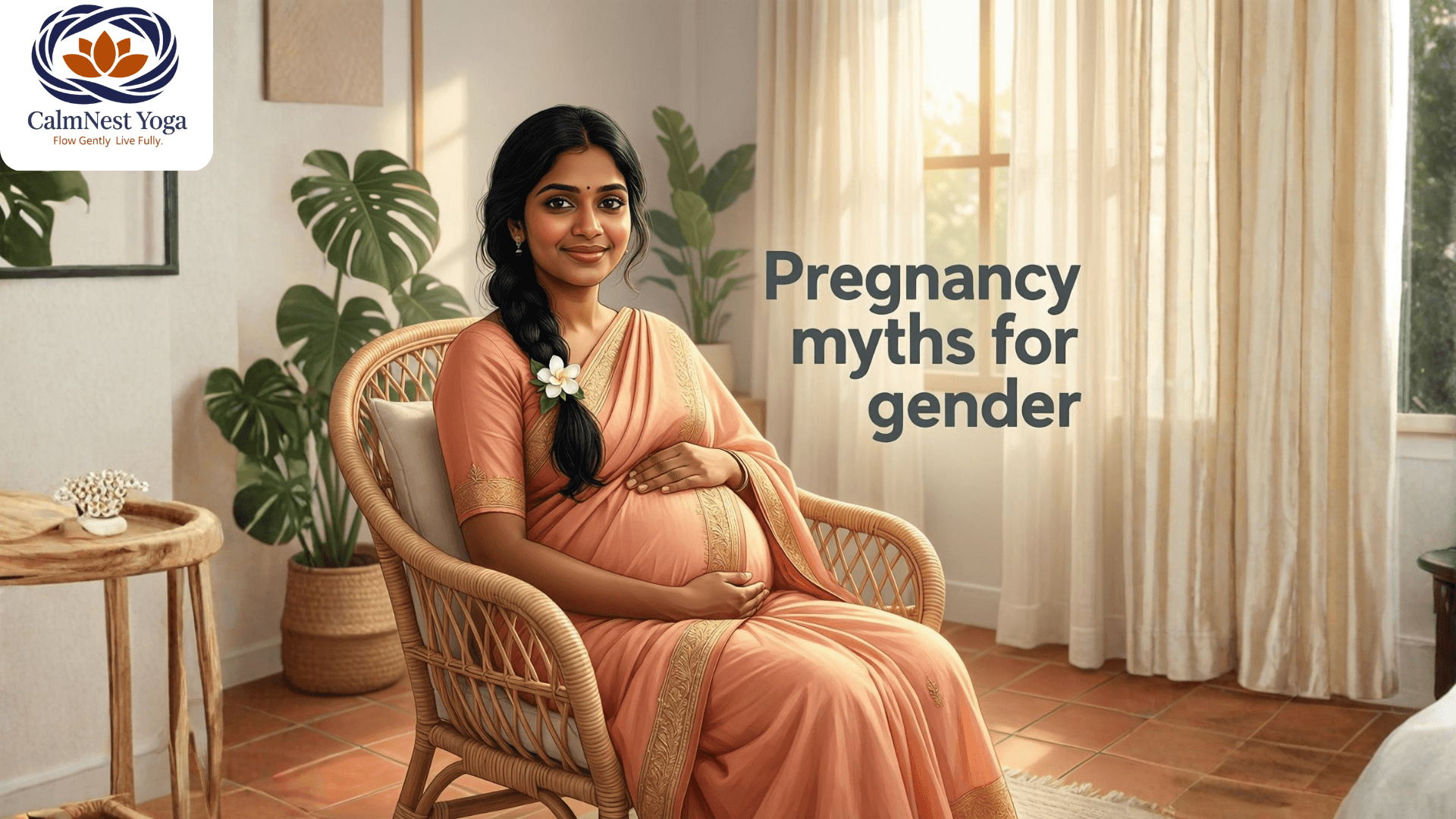
From sweet vs. salty cravings to the “ring test,” old wives’ tales claim to reveal if you’re having a boy or a girl. They’re entertaining—but not evidence-based. Here’s what science says, plus the reliable ways to find out your baby’s sex. (Note: Here we’re talking about biological sex identified during pregnancy; gender identity is personal and may differ later in life.)
Popular pregnancy gender myths (and what science says)
- Belly shape: carrying high/low or pointy/round
Truth: ❌ No link to baby’s sex. It’s influenced by your body type, muscle tone, baby’s position, and whether you’ve been pregnant before. - Sweet vs. salty cravings
Truth: ❌ Cravings are about hormones, appetite, and nutrition—not gender. - Morning sickness severity
Truth: ❌ Not a reliable predictor. Nausea varies widely and overlaps across pregnancies. - Fetal heart rate (above/below 140 bpm)
Truth: ❌ Large studies show no consistent difference by sex. Heart rate changes with gestational age and activity. - Linea nigra (direction or darkness of the line)
Truth: ❌ Caused by pregnancy hormones and skin pigmentation, not sex. - Ring test/pendulum over the belly
Truth: ❌ Pure chance (50/50). - Acne or “baby girl steals your beauty”
Truth: ❌ Breakouts come from oil production and hormones—not your baby’s sex. - Baking soda/Drano urine tests
Truth: ❌ React to urine pH; unsafe chemicals like Drano should never be used. - Chinese gender chart
Truth: ❌ No scientific validity—about as accurate as flipping a coin. - Cold feet, hair growth, or mood changes
Truth: ❌ Normal pregnancy changes, not gender clues.
Why symptoms really differ from person to person
- Hormones (hCG, progesterone, estrogen) shift throughout pregnancy.
- Placenta location, baby’s position/size, and amniotic fluid vary.
- Your unique body, metabolism, and whether it’s your first or a later pregnancy all play a role.
The reliable ways to find out your baby’s sex
- Noninvasive Prenatal Testing (NIPT) – from ~10 weeks
Looks at fetal DNA in your blood and identifies chromosomal sex with high accuracy. Not diagnostic, but very reliable. - Ultrasound – most accurate at the 18–22 week anatomy scan
Depends on baby’s position and the sonographer’s view. - Diagnostic tests (CVS or amniocentesis)
Nearly 100% accurate for chromosomal sex, but done for medical reasons due to small procedure risks
Pregnancy is a journey with baby movements, but it often creates a fear among the mothers - some misunderstanding or myths. An area that has created confusion is prenatal yoga. Many mothers get hesitated in trying the skills because of the misconception. The CALMNEST YOGA brings trust and empower the women with a good knowledge and provide safe and secure practices. Lets break the myths and bring the truth about the yoga during pregnancy
Why pregnancy yoga is often misleading?
The prenatal yoga is commonly misunderstood because of the people who generally realize that the yoga is an intense, physically demanding routine. In real life, prenatal yoga is specifically structured to stand as a backbone in changing the basic needs for the pregnant body. Cultural beliefs, lack of awareness, and creating panic among the mother saying may harm the baby, all together will bring a misinterpretation. Overall, to the women, not to miss out the essential benefits.
Common pregnancy myths
- Harm the baby - When practiced in the right form, the prenatal yoga will be complete in a safe way, and will be beneficial for both mother and baby.
- You should be comfortable during yoga - Yoga is not about flexibility, but it's about the consideration of movement, breathing, and attachment with your body. Prenatal Yoga is fit at all levels.
- Exercise must be avoided during pregnancy - Unless it has been addressed by the doctor, moderate exercise like : prenatal yoga is significantly recommended to balance the physical and mental health.
- All yoga poses are safe during pregnancy - false news. Some poses need to be modified while some need to be avoided. That's why prenatal yoga is important.
Benefits of Yoga During Pregnancy
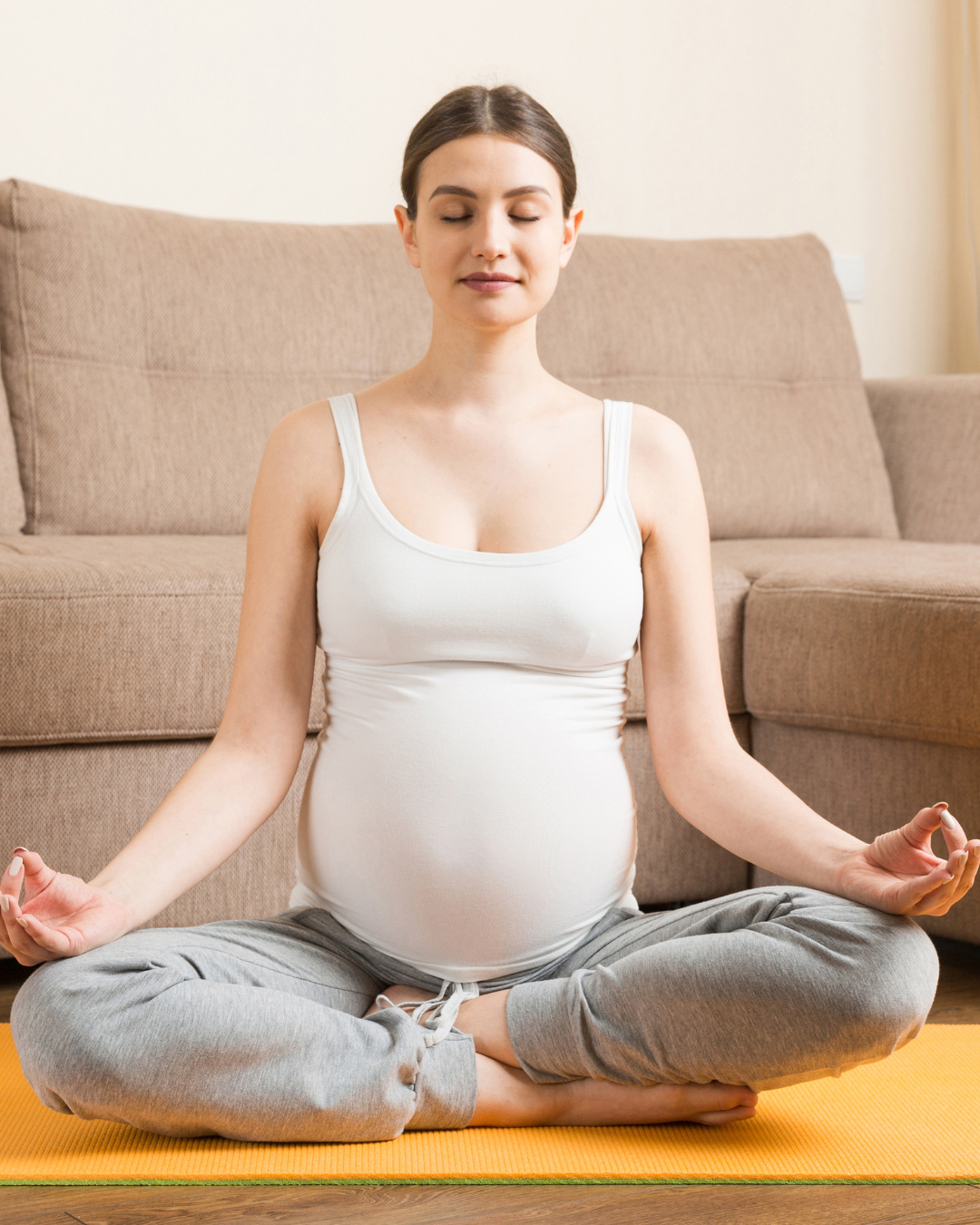
Prenatal yoga has offered a wide range of physical and emotional activities for benefit:
- Boosts with comfortability and improves muscle strengths
- Removes back pain, swelling, and uncomfortability.
- Upgrades skills for breathing, useful during labor
- Offers better sleep and reduces stress
- Develops a close attachment between mother and baby.
It's not only an exercise - it's a high standard preparation for both childbirth and motherhood.
Practicing prenatal yoga
To make your pregnancy journey more out of best, keep the tips in your mind :
- First consult your doctor, before starting the prenatal yoga journey.
- Select the right certified instructors for prenatal yoga.
- Avoid over flexibility or high intrinsic poses.
- Give a break to your body and take rest when it is needed.
- Stay hydrated and start yoga in a comfortable environment.
Daily routine with mindfulness is the way to success.
How Online prenatal yoga differs?
With a busy day and limited physical activity during pregnancy, prenatal yoga online has become a game changer. It has allowed the expecting mothers to do practice in a safe and comfortable palace in the home.
Based on the timing, the practice is provided, available with expert instructors, and personalized guidance. The CALMNEST YOGA virtual classes are structured to ensure the safety, comfort and efforts making the Prenatal yoga more easier than ever.
Final Thoughts
The prenatal yoga is usually surrounded with misconception news that has created an unnecessary fear. In truth, when addressed and practised in the right way, it will be one of the safest and beneficial routines during pregnancy. By focusing on the good facts and selecting the right guidance, executing that mother should enjoy a healthier, relaxed, and more confident pregnancy journey.
Join our online pregnancy yoga sessions designed to help you prepare for normal delivery safely and naturally. Limited slots available for focused sessions.
Contact us at https://calmnestyoga.com/#contact
+91 87626 47231