

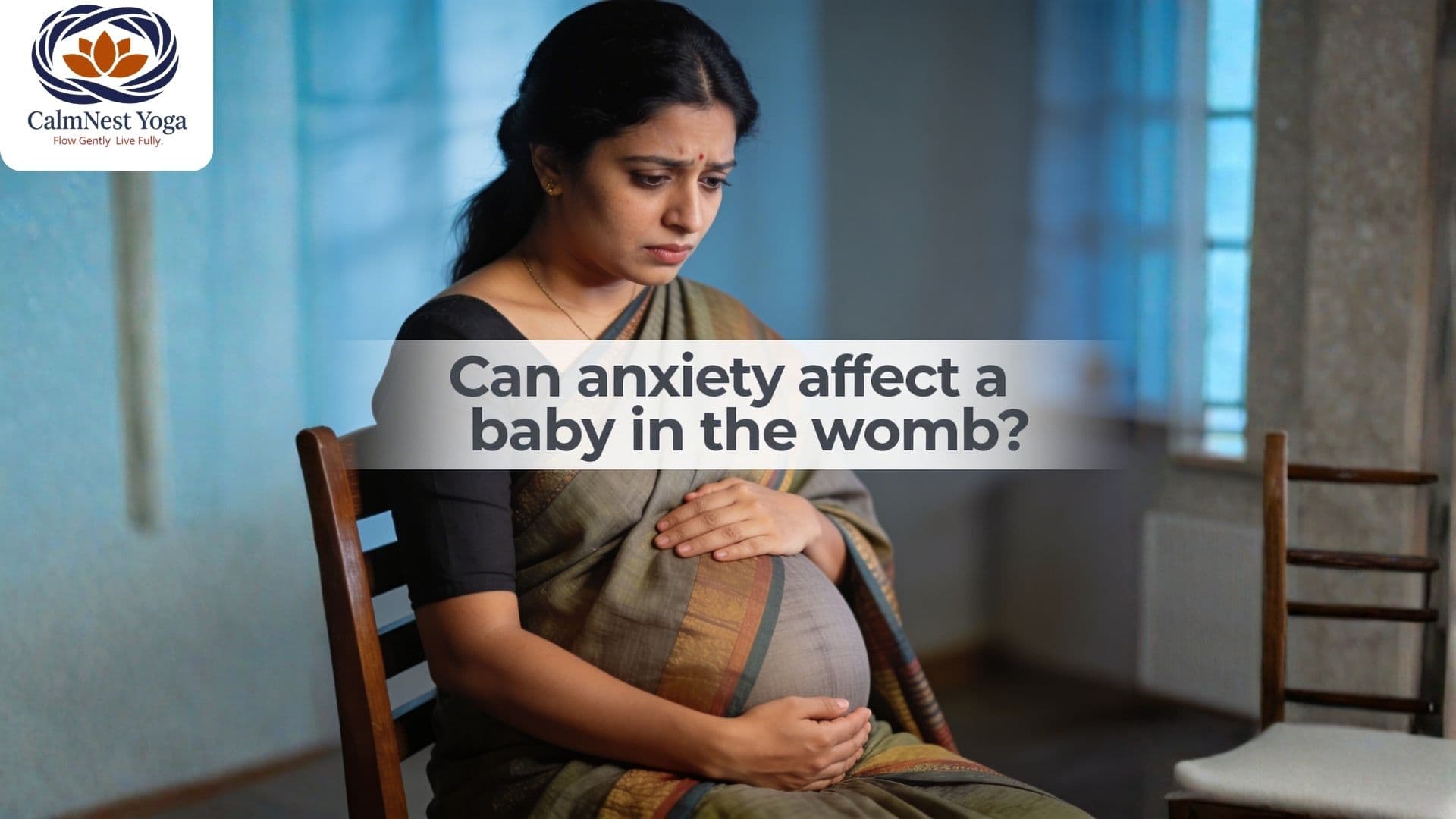
Prenatal anxiety is common during pregnancy, but managing it is key for both mother and baby. Learn how anxiety affects the womb, causes, and effective ways to reduce stress through prenatal yoga, breathing techniques, and simple methods like the 3-3-3 rule.
Prenatal anxiety is more common than people realize, and understanding how to manage it can make a significant difference in both the mother’s and baby’s well-being.
This guide explores practical ways to cope, including prenatal yoga, and answers important questions like How to help prenatal anxiety?, What is the 3-3-3 rule for anxiety?, Can pregnancy hormones cause anxiety?, and Can anxiety affect a baby in the womb?
Understanding Prenatal Anxiety
Prenatal anxiety refers to excessive worry, fear, or stress experienced during pregnancy. While occasional concern is natural, persistent anxiety can feel overwhelming.
Many expecting mothers silently struggle with thoughts about their baby’s health, childbirth, or life changes. Recognizing these feelings is the first step toward managing them.
Can Anxiety Affect a Baby in the Womb?
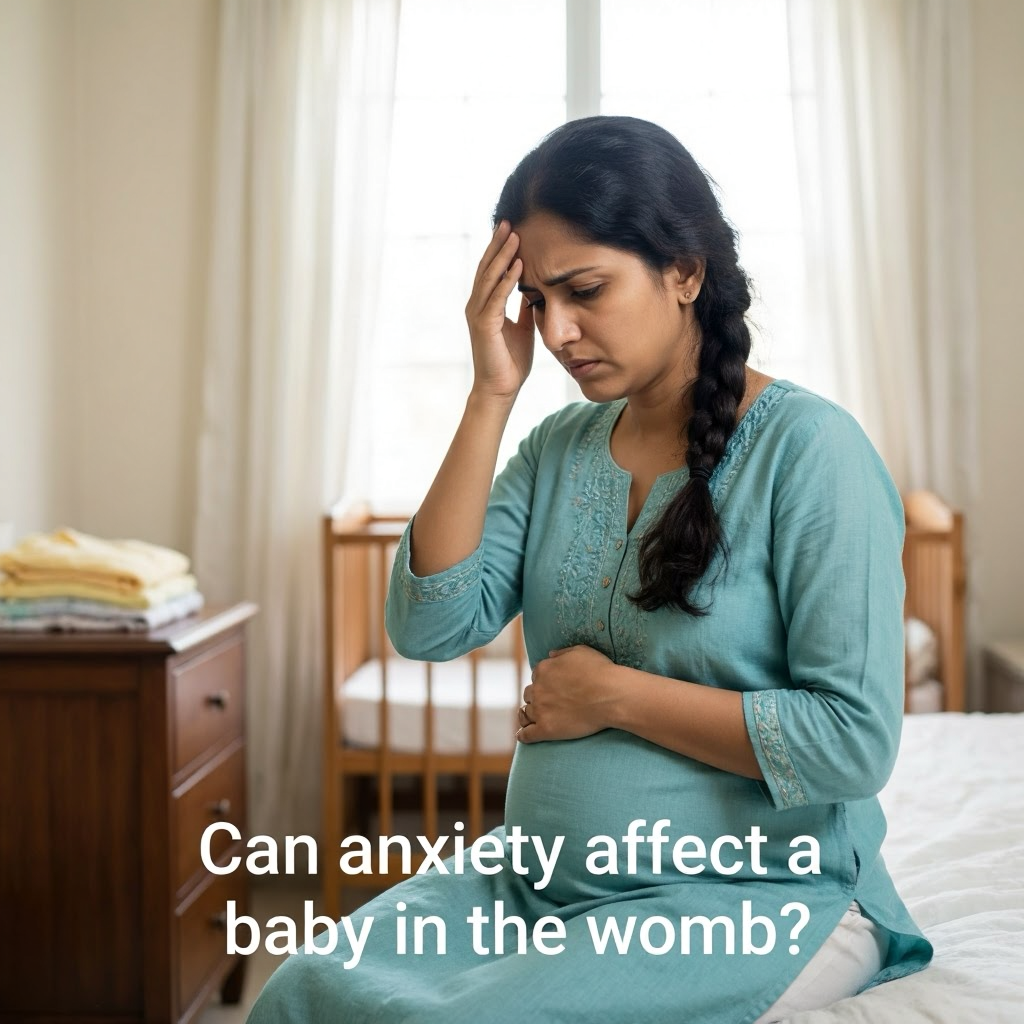
A common concern is: Can anxiety affect a baby in the womb?
Occasional anxiety is completely normal and usually does not harm the baby. However, chronic or severe anxiety may have some effects, such as:
- Increased stress hormone levels
- Possible impact on fetal development
- Higher likelihood of preterm birth in extreme cases
That said, it’s important to approach this topic with reassurance not fear. Managing anxiety through healthy practices like prenatal yoga, relaxation techniques, and emotional support can significantly reduce risks.
Can Pregnancy Hormones Cause Anxiety?
One of the most common questions is: Can pregnancy hormones cause anxiety?
The answer is yes. Hormonal fluctuations during pregnancy especially changes in estrogen and progesterone—can directly impact brain chemistry. These shifts may:
- Increase emotional sensitivity
- Affect sleep patterns
- Trigger mood swings
- Heighten stress responses
In addition, physical discomfort, fatigue, and lifestyle changes can amplify anxious feelings. So, if a pregnant woman feels more anxious than usual, it’s not “just in her head” there is a biological basis behind it.
What Is the 3-3-3 Rule for Anxiety?
Many people wonder, what is the 3-3-3 rule for anxiety and how it helps during overwhelming moments.
This simple grounding technique brings attention back to the present:
- Notice 3 things you can see
- Listen for 3 different sounds
- Move 3 parts of your body
It works by interrupting anxious thought patterns and reconnecting the mind with the environment. For pregnant women experiencing sudden worry, this method can feel surprisingly calming.
How to Help Prenatal Anxiety?
If someone is wondering How to help prenatal anxiety?, the good news is that there are several gentle and effective strategies available.
1. Prenatal Yoga for Anxiety Relief
Prenatal yoga is one of the safest and most effective ways to manage anxiety during pregnancy. It combines movement, breathing, and mindfulness.
Benefits include:
- Reduced stress hormones
- Improved sleep
- Better emotional balance
- Stronger mind-body connection
Simple poses and breathing exercises help calm the nervous system, making it easier to handle anxious thoughts.
2. Practice Deep Breathing Techniques
Breathing exercises can instantly reduce anxiety levels. Slow, controlled breathing signals the brain to relax.
A simple method:
- Inhale deeply for 4 seconds
- Hold for 4 seconds
- Exhale slowly for 6 seconds
This can be practiced anytime anxiety arises.
3. Build a Support System
Talking openly with a partner, friend, or healthcare provider can ease emotional pressure. Many women feel relief simply by sharing their concerns.
4. Maintain a Healthy Routine
Consistency in daily habits can stabilize mood:
- Regular sleep schedule
- Balanced nutrition
- Light physical activity
Even small routines create a sense of control and comfort.
When to Seek Professional Help
If anxiety becomes persistent or interferes with daily life, professional support is important. Signs include:
- Constant worry or panic
- Difficulty sleeping
- Loss of appetite
- Trouble concentrating
Healthcare providers can recommend safe therapies or treatments tailored for pregnancy.
Final Thoughts
Prenatal anxiety is a real and valid experience, but it doesn’t have to define the pregnancy journey. With supportive practices like prenatal yoga, breathing exercises, and grounding techniques such as the 3-3-3 rule, many women find relief and regain a sense of calm.
Understanding the role of hormones, recognizing early signs, and seeking support when needed can make all the difference. With the right approach, pregnancy can become not only manageable but deeply nurturing for both mother and baby.
Join our online pregnancy yoga sessions designed to help you prepare for normal delivery safely and naturally. Limited slots available for focused sessions.
Website: https://calmnestyoga.com/
Prenatal Yoga Classes: https://calmnestyoga.com/prenatal-yoga-classes
Contact: https://calmnestyoga.com/#contact