

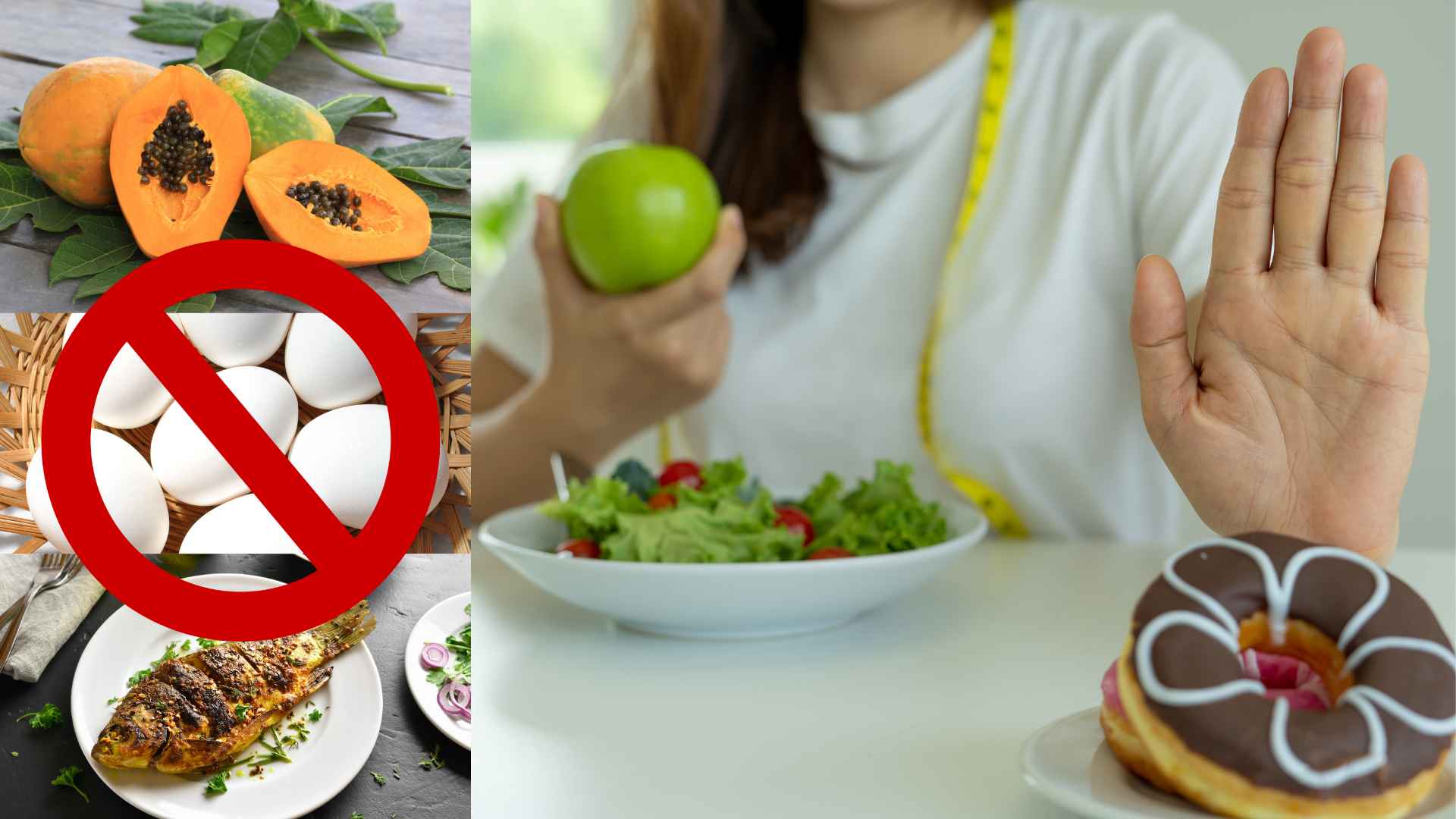
Foods to Avoid During Pregnancy: CalmNest Yoga shares practical pregnancy diet tips, including healthy foods to eat, foods to avoid, and safe Indian food choices.
You just found out you are pregnant. Congratulations.
And then the questions start.
Your mother tells you to eat more ghee. Your neighbour says to avoid papaya completely. Your friend sends you a WhatsApp forward about 10 foods that can harm your baby. Your doctor gives you a list of supplements. And you are left wondering—what can you actually eat?
During pregnancy, even a simple plate of dal, roti and sabzi can make you wonder: Is this enough? Is this safe? Should I avoid this fruit? Can I eat outside food?
If you are feeling overwhelmed, you are not alone. First-time mothers in India often receive conflicting advice from family, social media, and the internet. It can be confusing. And honestly, stressful.
Here is what this article is not: a rigid list of rules that will make you afraid of food.
Here is what this article is: a practical, reassuring guide to help you understand what to eat, what to avoid, what to limit, and how to make safer everyday food choices during your pregnancy in India.
Let us break this down together.
What Does a Healthy Pregnancy Diet Actually Look Like?
A healthy pregnancy diet is not about eating expensive or unusual foods. It is not about "eating for two" either. It is about eating well for two.
The goal is variety, balance, and safety. Think of your plate as a combination of different food groups that work together to support you and your baby.
Here is what a balanced pregnancy diet includes:
- Protein for growth and repair
- Iron to prevent anaemia and support oxygen supply
- Folate for early development
- Calcium for bones and teeth
- Healthy fats for brain development
- Fibre from fruits, vegetables, and whole grains
- Plenty of fluids to stay hydrated
The good news is that your kitchen already has many of these foods. Dal, roti, rice, curd, vegetables, fruits, and nuts—these are all part of a nutritious Indian pregnancy diet when prepared and eaten correctly. No single food provides everything you need. That is why variety matters. And remember, every pregnancy is different. Your dietary needs depend on your trimester, health conditions like gestational diabetes or anaemia, food allergies, and individual nutritional requirements. Always check with your obstetrician or registered dietitian for personalised advice.
Foods to Eat During Pregnancy
Let us talk about the foods that should be on your plate. These are everyday Indian foods that provide essential nutrients for you and your growing baby.
Protein-Rich Foods
Protein is important because it helps build your baby's tissues, muscles, and organs. It also supports your own changing body.
What to eat:
- Dal (moong dal, masoor dal, chana dal, toor dal)
- Lentils and legumes (chickpeas, rajma, beans)
- Paneer (cottage cheese)
- Curd and milk
- Eggs (fully cooked)
- Nuts and seeds (almonds, walnuts, pumpkin seeds, flax seeds)
- Well-cooked lean meat or fish (if you eat non-vegetarian food)
A bowl of dal with rice or roti is a simple, nutritious meal. You can also try moong dal chilla, paneer paratha, or sprouts for variety.
Iron-Rich Foods
Iron is essential during pregnancy because your blood volume increases significantly. Iron helps carry oxygen to your baby and prevents anaemia, which can cause fatigue and other complications.
What to eat:
- Green leafy vegetables (palak/spinach, methi/fenugreek, sarson/mustard greens)
- Lentils and beans
- Beetroot
- Dates, raisins, and jaggery
- Whole grains like ragi and bajra
Here is an important tip: pair iron-rich foods with vitamin C to help your body absorb iron better. Squeeze lemon over your palak sabzi, eat an orange after your meal, or include amla in your diet. Food alone may not always meet your iron needs. Your doctor may recommend iron supplements. Take them only as advised.
Folate-Rich Foods
Folate is a B vitamin that supports your baby's early development, especially in the first trimester.
What to eat:
- Green leafy vegetables (palak, methi, sarson)
- Lentils and chickpeas
- Citrus fruits (oranges, sweet lime/mosambi)
- Nuts
Many Indian meals already include folate-rich ingredients. A bowl of dal or a spinach sabzi is a great choice.
Calcium-Rich Foods
Your baby's bones and teeth need calcium. If you do not eat enough, your body will take calcium from your own bones. That is why getting enough is so important.
What to eat:
- Milk, curd, and buttermilk
- Paneer
- Ragi (finger millet)
- Sesame seeds (til)
- Almonds
A glass of milk with a pinch of turmeric, a bowl of curd rice, or a ragi porridge are all excellent calcium sources.
Fruits and Vegetables
Eating a variety of fruits and vegetables gives you vitamins, minerals, and fibre. They also keep your digestion healthy, which can be helpful when pregnancy slows down your digestive system.
What to eat:
- Seasonal fruits like bananas, apples, pomegranates, and oranges
- Cooked vegetables like lauki, tori, bhindi, and carrots
- Green leafy vegetables
Wash all produce thoroughly before eating. If you are eating raw salads, ensure they are washed safely with clean water.
Healthy Fats
Fats are not the enemy. Healthy fats support your baby's brain development and help your body absorb certain vitamins.
What to eat:
- Nuts (almonds, walnuts, cashews)
- Seeds (flax seeds, pumpkin seeds, chia seeds)
- Ghee in small amounts
- Cooking oils in moderation
A small handful of soaked almonds or a sprinkle of seeds on your meal is enough. Portion awareness matters—you do not need to eat large amounts.
Foods to Avoid During Pregnancy
Some foods carry higher risks during pregnancy. These include foods that may contain harmful bacteria, high levels of mercury, or other substances that could affect your baby. Let us be clear: this section is about safety. It is not about creating fear. The goal is to help you make informed choices.
Raw or Undercooked Foods
Raw or undercooked foods can carry bacteria like Salmonella and Listeria, which are particularly dangerous during pregnancy. The NHS advises avoiding raw or undercooked eggs, meat, and seafood during pregnancy.
What to avoid:
- Raw or undercooked eggs (soft-boiled eggs, dishes made with raw eggs)
- Undercooked meat and poultry
- Raw seafood
Always cook eggs until the yolk and white are firm. Meat and poultry should be cooked thoroughly with no pink parts.
Unpasteurised Milk and Dairy Products
Unpasteurised milk and dairy products can contain Listeria, a bacteria that can cause serious infections.
What to avoid:
- Raw milk (milk that has not been boiled or pasteurised)
- Soft cheese made from unpasteurised milk
- Homemade paneer made from raw milk (always use pasteurised or boiled milk)
In India, many households boil milk before drinking it. This is a good practice as boiling kills harmful bacteria. Continue doing this during pregnancy.
High-Mercury Fish
Some fish contain high levels of mercury, which can affect your baby's developing nervous system. The FDA provides specific advice about which fish are safe to eat during pregnancy.
What to avoid or limit:
- Shark, swordfish, and king mackerel
- Large predatory fish with high mercury levels
What is safer:
- Smaller fish like rohu, pomfret, and surmai in moderate amounts
- Always check with your doctor before including fish in your diet
Fish can provide useful nutrients, but the type and quantity matter. Do not avoid all fish—just choose wisely.
Alcohol
Alcohol should be avoided completely during pregnancy. The Centers for Disease Control and Prevention clearly states there is no known safe level of alcohol consumption during pregnancy.
Unsafe or Poorly Handled Food
Food that is not handled safely can cause foodborne illness. This is especially relevant in India where food is often exposed to dust, heat, and humidity.
What to avoid:
- Food that has been sitting out for hours at room temperature
- Poorly washed fruits and vegetables
- Food from places with questionable hygiene
- Reheated leftovers that have not been stored properly
When in doubt, choose freshly cooked, hot food.
Foods to Limit During Pregnancy
Some foods are not strictly dangerous but should be limited because they offer little nutritional value or can cause discomfort.
Caffeine
Caffeine is found in tea, coffee, cola, and even chocolate. The American College of Obstetricians and Gynecologists recommends limiting caffeine to under 200 mg per day during pregnancy. That is roughly one small cup of coffee or about two cups of strong chai. Remember that tea, chocolate, and cold drinks also contribute to your total.
Sugary and Processed Foods
Highly sugary foods, deep-fried snacks, and highly processed foods can lead to excessive weight gain and blood sugar spikes. They also displace the nutrient-dense foods your body needs.
What to limit:
- Packaged snacks, chips, and instant noodles
- Sweets and desserts
- Deep-fried foods like pakoras and samosas
- Carbonated drinks
Occasional eating is different from making these foods a regular part of your diet. The goal is balance, not perfection.
Comparison Table: Foods to Eat vs Avoid During Pregnancy
To make things easier, here is a quick comparison table of common Indian foods, their safety status, and what you should do.
Food | Status During Pregnancy | Why? | What to Do |
|---|---|---|---|
Dal & Lentils | ✅ Safe & Recommended | Rich in protein, iron, and folate | Eat regularly in meals |
Green Leafy Veggies | ✅ Safe & Recommended | High in iron and folate | Wash thoroughly, cook well |
Paneer | ✅ Safe | Good calcium and protein source | Use pasteurised milk |
Curd/Yogurt | ✅ Safe | Calcium and probiotics | Choose pasteurised |
Milk | ✅ Safe | Calcium and vitamin D | Always boil or use pasteurised |
Eggs | ✅ Safe (well-cooked) | Protein and choline | Cook until yolk is firm |
Banana | ✅ Safe | Potassium and energy | Eat 1–2 daily |
Apple | ✅ Safe | Fibre and vitamins | Wash before eating |
Pomegranate | ✅ Safe | Iron and antioxidants | Eat fresh |
Nuts & Seeds | ✅ Safe | Healthy fats and protein | Eat a handful daily |
Ghee | ✅ Safe (in moderation) | Healthy fats | Use 1–2 tsp daily |
Spicy Food | ⚠️ Limit/Moderate | May cause heartburn | Reduce if uncomfortable |
Pickles | ⚠️ Limit | High salt content | Eat occasionally, small portions |
Ripe Papaya | ⚠️ Usually Avoided | Contains latex (unripe) | Avoid to be safe |
Pineapple | ⚠️ Usually Avoided | Contains bromelain | Avoid in early pregnancy |
Street Food (Pani Puri, Chaat) | ❌ Avoid | Hygiene risks, contaminated water | Make at home with safe ingredients |
Raw/Undercooked Meat | ❌ Avoid | Risk of bacteria (Salmonella, Listeria) | Cook thoroughly |
Raw Eggs | ❌ Avoid | Risk of Salmonella | Cook until firm |
Unpasteurised Milk | ❌ Avoid | Risk of Listeria | Always boil/use pasteurised |
High-Mercury Fish | ❌ Avoid | Affects baby's nervous system | Choose smaller fish in moderation |
Alcohol | ❌ Avoid | No safe level during pregnancy | Completely avoid |
Caffeine | ⚠️ Limit | May affect birth weight | Keep under 200 mg/day |
Sweets & Sugary Foods | ⚠️ Limit | Excess sugar, empty calories | Occasional treat only |
Packaged/Processed Foods | ⚠️ Limit | Low nutrition, high sodium | Choose fresh meals |
What About Common Indian Pregnancy Foods?
Let us address the foods you are probably wondering about. These are everyday Indian foods that often come with questions.
Dal, Rice, and Roti are excellent staples. They provide carbohydrates, protein, and fibre. Continue eating them as part of balanced meals. Paneer, Curd, and Milk are great sources of calcium and protein. Ensure they are made from pasteurised or boiled milk. Eggs are safe and nutritious when fully cooked—avoid raw or runny eggs. Bananas are safe and provide potassium and energy, especially useful if you have nausea. Mangoes are safe in moderation—they are rich in vitamins but also contain sugar. Coconut, including coconut water, is safe and hydrating. Nuts like soaked almonds and walnuts are excellent sources of healthy fats and protein—eat a small handful daily.
Spicy foods are not harmful to your baby. However, they can cause heartburn or indigestion, which is already common during pregnancy. If spicy food makes you uncomfortable, reduce the amount. If you tolerate it well, you can continue eating it. Pickles are high in salt—eating them occasionally is fine, but they should not be a major part of your daily diet.
Papaya is a common concern. Unripe papaya contains latex, which may trigger uterine contractions in large amounts. Ripe papaya is chemically different and is generally considered safe in small amounts. However, many doctors advise avoiding it completely as a precaution. Similarly, pineapple contains bromelain, an enzyme that may soften the cervix if consumed in large quantities. Moderate consumption is generally considered safe, but many women choose to avoid it, especially in early pregnancy.
Can Pregnant Women Eat Street Food?
This is one of the most common questions Indian expecting mothers ask. Here is the direct answer: street food should be avoided during pregnancy.
Why? Street food in India is often prepared in conditions that pose hygiene risks. Contaminated water, improper storage, bare-hand contact, and exposure to dust and flies can lead to food poisoning, infections like typhoid or hepatitis, and dehydration. Pregnant women are especially vulnerable to these risks. The WHO emphasises the importance of food safety during pregnancy to prevent foodborne illnesses.
Specific street foods to be cautious about:
- Pani puri and golgappa (water used may be contaminated)
- Chaat and bhel puri (ingredients are often exposed and not reheated)
- Cut fruits (may be washed in contaminated water)
- Momos and fried snacks (oil may be reused; hygiene may be questionable)
If you are craving these foods, consider making them at home with clean ingredients. You can prepare a safe version of pani puri using boiled and filtered water. Or try healthier home-cooked snacks like sprouts chaat or roasted makhana instead.
What Should You Eat in the First, Second, and Third Trimester?
Your nutritional needs shift slightly as your pregnancy progresses. Here is a trimester-based overview.
First Trimester (Weeks 1–12)
The first trimester can be challenging. Nausea, vomiting, and food aversions are common. Your goal is to eat small, frequent meals that are easy to digest.
What to focus on:
- Folate-rich foods (leafy greens, lentils, citrus fruits) for early development
- Simple carbohydrates like khichdi, upma, poha, idli, and plain rice
- Light meals that do not trigger nausea
- Hydration with coconut water, lemon water, and clear soups
Tip: If you have severe vomiting, talk to your doctor. You may need additional support to stay hydrated and nourished.
Second Trimester (Weeks 13–27)
For most women, nausea subsides during the second trimester. This is when your baby grows rapidly, and your appetite improves.
What to focus on:
- Protein (dal, paneer, eggs, lean meat)
- Iron (leafy greens, lentils, dates, jaggery)
- Calcium (milk, curd, ragi, sesame seeds)
- Fibre (vegetables, whole grains, fruits)
Your calorie needs increase by about 300–350 calories per day. This is not a huge amount—a small meal or a couple of healthy snacks can easily cover it.
Third Trimester (Weeks 28–40)
In the final trimester, your baby is growing quickly and putting pressure on your stomach. You may feel full quickly and experience heartburn.
What to focus on:
- Small, frequent meals to avoid discomfort
- Nutrient-dense foods (protein, iron, calcium)
- Fibre to prevent constipation
- Hydration (drink enough water but not too much at once)
Dates are often recommended in the third trimester as they are rich in iron and energy. Some studies suggest they may also be helpful for labour preparation, but always check with your doctor.
A Simple Indian Pregnancy Plate
If you are wondering what a balanced meal looks like, use this simple framework:
- Half plate: Vegetables and salad (safely prepared and washed)
- Quarter plate: Whole grains (roti, brown rice, millets)
- Quarter plate: Protein (dal, paneer, eggs, or well-cooked lean meat)
Then add:
- Curd or a dairy-based side (calcium)
- A piece of fruit (vitamins and fibre)
- A small amount of healthy fat (ghee, nuts, or seeds)
This is a general framework, not a rigid prescription. Adjust portions based on your appetite and comfort.
Pregnancy Food Safety Tips Every Indian Household Should Follow
Here are practical steps you can take to keep your food safe:
- Wash fruits and vegetables thoroughly with clean water. Soak leafy greens in saltwater for a few minutes before rinsing.
- Cook eggs, meat, and poultry thoroughly until no pink parts remain.
- Choose pasteurised dairy products or boil raw milk before drinking.
- Store leftovers in the refrigerator and reheat them until steaming hot.
- Avoid food that has been sitting out for long periods, especially in warm weather.
- Keep raw and cooked foods separate to avoid cross-contamination.
- Be careful with restaurant food—choose places with good hygiene and freshly cooked items.
- Drink safe, clean water. Boil or filter your drinking water, especially during the monsoon season.
- Check food labels for ingredients, additives, and expiry dates.
- Ask your healthcare provider about supplements and special dietary needs. Do not start any supplements without medical advice.
How to Deal With Pregnancy Food Cravings Without Feeling Guilty
Pregnancy cravings are normal. They are not a sign of weakness or poor nutrition.
If you crave a specific food, ask yourself: Is this a safe food? Is this a food I can include occasionally?
The key is balance. If you want a piece of chocolate or a serving of something sweet, have it. Enjoy it. And then go back to your nutrient-dense meals.
Pregnancy does not require perfection. It requires informed, balanced choices most of the time. Do not let guilt ruin your relationship with food.
When Should You Talk to Your Doctor About Your Diet?
Individualised professional advice is important in certain situations:
- Gestational diabetes (you may need a modified diet)
- Anaemia (you may need iron supplements)
- Severe vomiting (hyperemesis gravidarum)
- Food allergies or intolerances
- Thyroid conditions
- Pregnancy complications
- Significant dietary restrictions (vegan, vegetarian, or other patterns)
- Difficulty maintaining food or fluids
Your doctor knows your health history and can give you the best guidance. Never hesitate to ask questions.
Pregnancy is a journey, and food is just one part of it. The goal is not to eat perfectly every single day. The goal is to make informed, safe, and balanced choices most of the time. You are doing enough. You are enough.
If you are looking for ways to support your pregnancy beyond nutrition, gentle movement and relaxation can be helpful. Many expecting mothers find that activities like prenatal yoga classes support their physical and emotional well-being during pregnancy. You can explore gentle pregnancy stretches to stay comfortable, learn pregnancy breathing exercises for stress relief, or try pelvic floor exercises during pregnancy to strengthen muscles that support your pelvic organs.
For those preparing for labour, prenatal yoga and pregnancy wellness practices can be a valuable addition to your routine. If you are interested in guided practices designed specifically for expecting mothers, you can explore CalmNest Yoga's offerings or reach out through their contact page to learn more about how they can support you.
And remember—you are not alone in this. Every meal does not have to be perfect. Every choice does not have to be right. What matters is that you are asking questions, learning, and doing your best.
That is already a beautiful start.