
Discover the best yoga asanas for sleep and anxiety during pregnancy with CalmNest Yoga. Learn gentle prenatal yoga poses, breathing exercises, and bedtime tips for better relaxation and sleep.
You are tired after a long day, but when you finally get into bed, your mind starts racing. You may be thinking about the baby, delivery, health, work, or simply wondering why you cannot sleep despite feeling exhausted. Tossing and turning becomes frustrating, and anxiety creeps in.
If this sounds familiar, you are not alone. Sleep problems and anxiety are incredibly common during pregnancy. Research suggests that prenatal yoga may help reduce stress, anxiety, depressive symptoms, and pregnancy-related discomfort while improving quality of life . The best yoga asanas for sleep and anxiety during pregnancy offer a gentle, natural way to calm your mind and prepare your body for rest.
This guide will walk you through safe, effective yoga poses, breathing techniques, and a simple bedtime routine designed specifically for pregnant women.
Why Sleep and Anxiety Can Become Difficult During Pregnancy
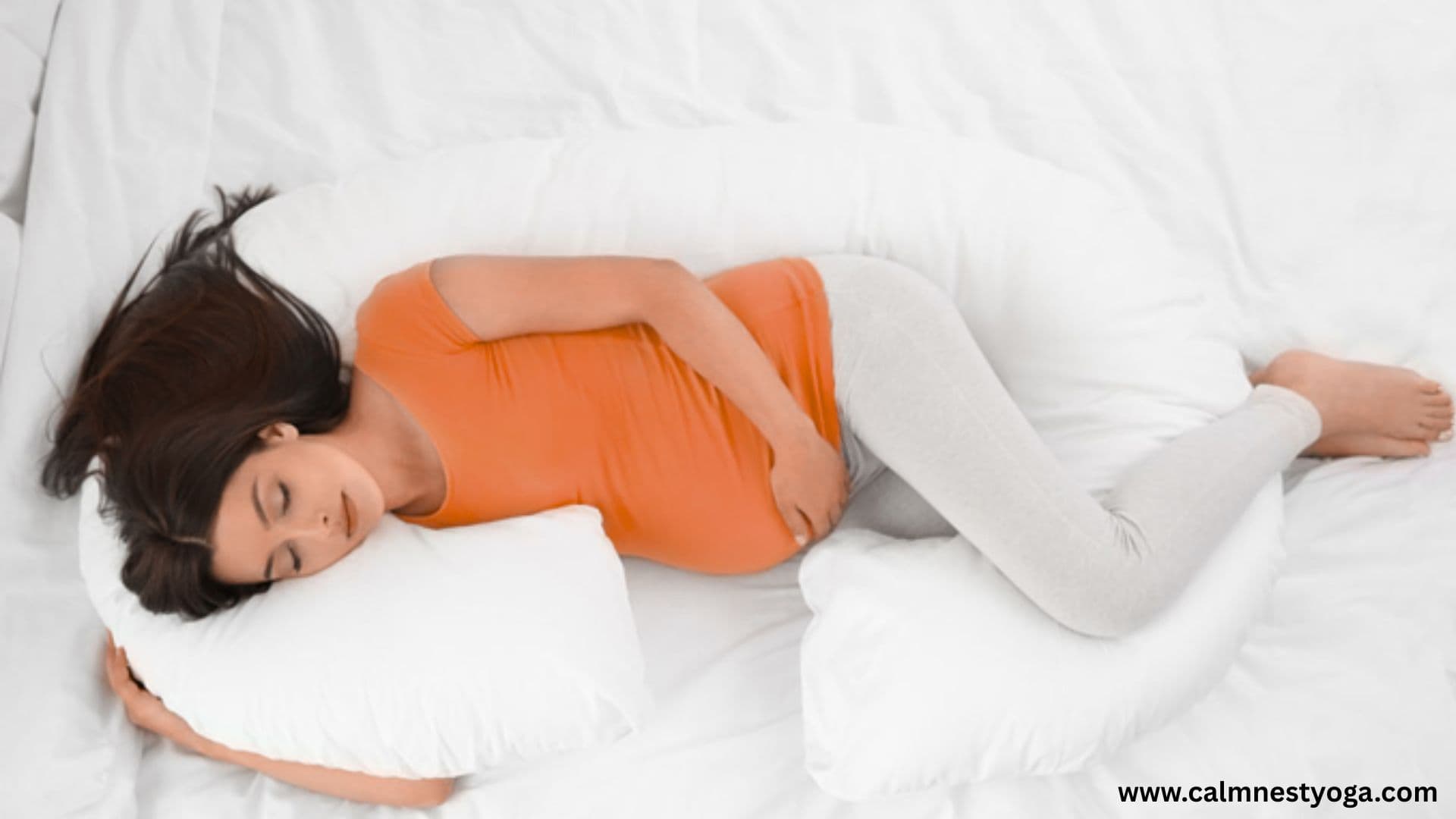
Pregnancy brings a whirlwind of physical and emotional changes that can disrupt sleep and increase anxiety. Understanding why this happens can help you approach it with more compassion for yourself.
Physical Discomfort: As your baby grows, finding a comfortable sleeping position becomes more challenging. Back pain, hip discomfort, and a growing belly can make rest elusive. You may also experience frequent urination, heartburn, or shortness of breath, all of which can interrupt sleep.
Hormonal Changes: Fluctuating hormones like estrogen and progesterone can affect your mood and sleep patterns. These hormonal shifts can also contribute to anxiety and emotional sensitivity.
Mental and Emotional Factors: Thoughts about childbirth, becoming a parent, health concerns, and work-life balance can keep your mind active at night. Even positive anticipation can create restlessness and make it hard to fall asleep.
Stress and Anxiety: Stress during pregnancy triggers hormones like cortisol that can affect both you and your baby. The good news is that deep breathing can help calm your nervous system and reduce these stress responses .
Can Prenatal Yoga Help With Sleep and Anxiety?
Yes, gentle prenatal yoga may help support better sleep and reduce anxiety by promoting relaxation, improving body awareness, and calming the nervous system.
Prenatal yoga combines gentle movement, stretching, breathing exercises, and mindfulness to offer benefits that extend beyond physical fitness . Here's how it can help:
- Promotes Relaxation: The combination of gentle movement and conscious breathing activates the parasympathetic nervous system, helping you relax.
- Reduces Physical Tension: Gentle stretches release tightness in your back, hips, and shoulders, making it easier to get comfortable.
- Calms the Mind: Focusing on your breath and movement can help quiet racing thoughts and anxiety.
- Improves Body Awareness: You'll learn to tune into what your body needs, making it easier to find comfortable resting positions.
- Prepares You for Bedtime: A consistent yoga routine can signal to your body that it's time to wind down.
However, it's important to remember that yoga is not a replacement for medical care. If your anxiety or sleep problems are severe or persistent, talk to your healthcare provider.
Best Yoga Asanas for Sleep & Anxiety During Pregnancy
These gentle poses are designed to be safe for most pregnant women. Remember to move slowly, listen to your body, and never push into pain. Always consult your healthcare provider before starting a new exercise routine.
Bound Angle Pose (Baddha Konasana)
Why it may help: This pose opens the hips, promotes relaxation, and may improve blood circulation in the pelvic region .
How to do it safely: Sit on the floor with your spine tall. Bring the soles of your feet together, letting your knees fall out to the sides. Hold your feet or ankles gently.
How long: Hold for 5-10 slow, deep breaths.
Pregnancy-friendly modification: Sit on the edge of a folded blanket or cushion to tilt your pelvis forward. Use pillows under your knees for support.
When to avoid or stop: Stop if you feel any strain in your groin or hips. Do not bounce your knees.
Cat-Cow Stretch (Marjaryasana-Bitilasana)
Why it may help: This pose gently warms up the spine, reduces lower back tension, and improves spinal mobility .
How to do it safely: Start on your hands and knees in a tabletop position. Inhale, arch your back and lift your gaze (Cow). Exhale, round your spine and tuck your chin (Cat).
How long: Move slowly between poses for 5-10 rounds of breath.
Pregnancy-friendly modification: Keep movements small and gentle. Avoid arching too deeply. Place a folded towel under your wrists if they feel uncomfortable.
When to avoid or stop: Stop if you feel any pain in your wrists, back, or abdomen.
Supported Child's Pose (Balasana Variation)
Why it may help: This resting pose promotes deep relaxation, relieves lower back pressure, and calms the nervous system .
How to do it safely: From tabletop position, widen your knees to the edges of your mat, bringing your big toes together. Gently sit your hips back toward your heels. Rest your forehead on the floor or a block.
How long: Hold for 2-3 minutes, breathing deeply.
Pregnancy-friendly modification: Use a pillow or bolster under your chest or between your thighs for extra support. This variation with knees wide gives your belly space.
When to avoid or stop: Stop if you feel any strain in your knees or hips.
Supported Side-Lying Relaxation
Why it may help: This is a deeply restful pose that allows full relaxation, reduces back strain, and promotes better blood flow to your baby.
How to do it safely: Lie on your left side with your head supported by a pillow. Place another pillow between your knees and one under your belly for comfort. Close your eyes and breathe slowly.
How long: Stay here for 3-5 minutes or longer.
Pregnancy-friendly modification: This is the recommended resting position after the first trimester.
When to avoid or stop: Never lie flat on your back after the first trimester. If you feel any discomfort, adjust your pillows.
Seated Side Stretch
Why it may help: This pose releases tension in the side body and ribcage, giving your lungs more room to expand and helping you breathe more easily.
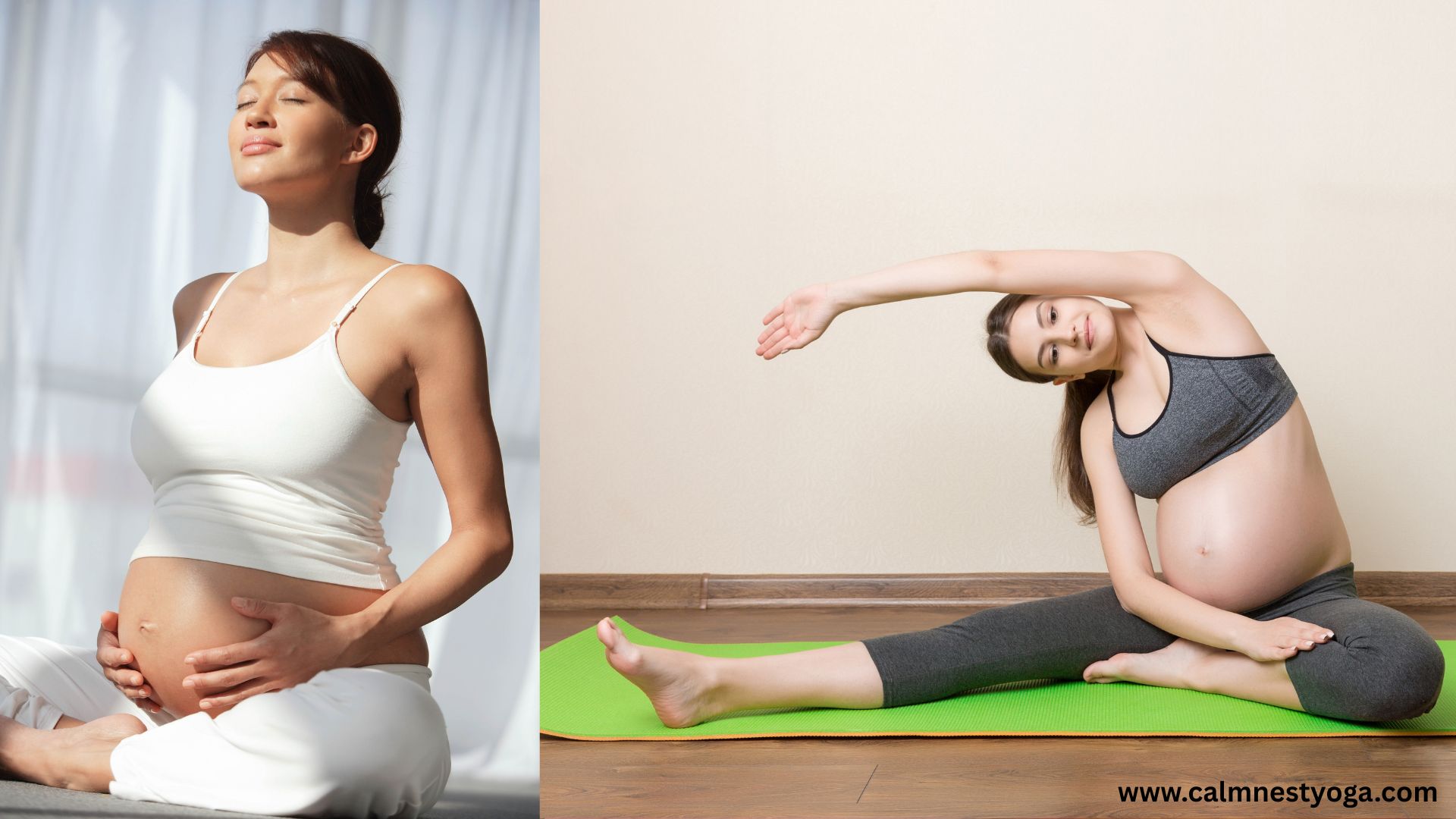
How to do it safely: Sit cross-legged or in a chair. Inhale and raise one arm up by your ear. Exhale and gently bend your torso to the side. Keep your hips stable and your spine long.
How long: Hold for 3-5 breaths on each side.
Pregnancy-friendly modification: Keep the movement small and gentle. Use a chair for support if sitting on the floor is uncomfortable.
When to avoid or stop: Stop if you feel any strain in your side or back.
Gentle Wide-Leg Forward Fold
Why it may help: This pose gently stretches the back, hips, and hamstrings, releasing tension and promoting relaxation.
How to do it safely: Stand with your feet wide apart. Place your hands on a chair or countertop in front of you. Gently hinge forward from your hips, keeping your back straight. Let your head relax.
How long: Hold for 3-5 breaths.
Pregnancy-friendly modification: Do not fold deeply. Keep your back straight and use the chair for full support. Only go as far as feels comfortable.
When to avoid or stop: Stop if you feel any strain in your back or hips.
Comfortable Seated Pose with Breathing (Sukhasana)
Why it may help: This simple seated pose promotes relaxation and is ideal for breathing exercises and meditation.
How to do it safely: Sit cross-legged on a cushion or blanket, or in a chair with your feet flat on the floor. Rest your hands on your knees or thighs. Close your eyes and focus on your breath.
How long: Stay here for 3-5 minutes.
Pregnancy-friendly modification: Use props to support your hips and back. If sitting cross-legged is uncomfortable, sit in a chair.
When to avoid or stop: Stop if you feel any discomfort in your hips or lower back.
A Simple 10-Minute Prenatal Yoga Routine Before Bed
This gentle routine is designed to help you wind down and prepare for restful sleep. Practice it in a calm, dimly lit environment about 30-60 minutes before bedtime.
- Comfortable Seated Breathing (2 minutes): Sit in a comfortable position. Close your eyes and take slow, deep breaths. Place one hand on your belly and feel it rise and fall with each breath.
- Cat-Cow Stretch (1 minute): Move slowly between Cat and Cow poses. Let your breath guide each movement.
- Supported Butterfly Pose (2 minutes): Sit in Butterfly Pose, breathing deeply. Focus on releasing tension in your hips and groin.
- Seated Side Stretch (1 minute): Gently stretch each side. Reach up and feel the release in your ribcage.
- Supported Child's Pose (1 minute): Rest in Child's Pose, breathing deeply. Let your body relax completely.
- Supported Side-Lying Relaxation (3 minutes): Lie on your left side with pillows for support. Take slow, deep breaths. Feel your body sink into relaxation.
Breathing Exercises to Calm the Mind Before Sleep
Breathing exercises, or pranayama, can be a powerful tool for calming anxiety and preparing for sleep. Research suggests breathing exercises may reduce anxiety and improve emotional well-being during pregnancy .
Deep Belly Breathing
How to do it: Sit or lie comfortably. Place one hand on your belly. Inhale slowly through your nose, feeling your belly rise. Exhale gently through your mouth, feeling your belly fall. Try to keep your exhale approximately twice as long as your inhale . Some people use a 4/6 count: inhale to 4, exhale to 6 .
Why it helps: This technique activates the parasympathetic nervous system, promoting deep relaxation and calming the mind . It also ensures a plentiful supply of oxygen for both you and your baby .
Nadi Shodhana (Alternate Nostril Breathing)
How to do it: Sit comfortably with a tall spine. Use your right thumb to close your right nostril. Inhale through your left nostril. Close your left nostril with your ring finger, release your right nostril, and exhale through your right .
Why it helps: This technique balances energy levels, calms the mind, and promotes emotional well-being .
Pregnancy-Specific Breathing Tips
- Practice in a calm, quiet environment.
- Avoid breath retention (holding your breath) during pregnancy.
- Listen to your body and stop if you feel dizzy or uncomfortable.
- Focus on slow, gentle, and steady breathing.
To learn more, explore our guide on pregnancy breathing exercises.
Yoga Tips for Better Sleep During Pregnancy
These practical tips can help you get the most out of your bedtime yoga routine:
- Practice Gently: Avoid intense or vigorous yoga in the evening. Focus on gentle, restorative poses.
- Create a Calming Bedtime Environment: Use dim lighting, soft music, or a quiet space to practice.
- Use Props for Support: Cushions, blankets, bolsters, and pillows can make poses more comfortable and relaxing.
- Choose Comfortable Clothing: Wear loose, comfortable clothing that allows you to move freely.
- Avoid Exercising After a Heavy Meal: Wait at least an hour after eating before practicing yoga.
- Maintain a Consistent Bedtime Routine: Try to practice at the same time each evening to signal to your body that it's time to wind down.
- Listen to Your Body: If a pose feels uncomfortable, stop or modify it. Your body knows best.
- Stay Hydrated: Drink water throughout the day, but limit fluids close to bedtime.
Which Yoga Poses Should You Avoid During Pregnancy?
While prenatal yoga is generally safe, there are some poses and movements to avoid or modify:
- Lying Flat on Your Back: After the first trimester, avoid lying flat on your back as it can restrict blood flow .
- Deep Twists: Avoid closed twists that compress the abdomen.
- Intense Backbends: These can overstretch your abdominal muscles.
- Inversions: Headstands, shoulder stands, and other inversions are generally not recommended for beginners.
- Hot Yoga: Overheating can be dangerous for your baby. Practice in a cool, ventilated space.
- High-Impact Movements: Avoid jumping, hopping, or bouncing.
- Holding Your Breath: Always keep breathing during your practice.
- Overstretching: Your ligaments are looser during pregnancy, making you more prone to injury. Don't push beyond your comfortable range of motion.
Prenatal Yoga vs Doing Yoga on Your Own
Factor | General Yoga at Home | Prenatal Yoga With a Qualified Instructor |
|---|---|---|
Pregnancy-specific modifications | May not be included | Integral to every pose |
Individual guidance | You rely on your own knowledge | Expert guidance and feedback |
Safety awareness | Risk of unsafe poses | Designed for pregnancy safety |
Trimester adaptations | May not address changing needs | Adapted for each trimester |
Breathing guidance | Self-guided | Specific breathwork for pregnancy |
Support for beginners | May be challenging | Highly beginner-friendly |
Personalized practice | Self-directed | Adapts to your needs and limitations |
A qualified prenatal yoga instructor can provide modifications and guidance that you might miss when practicing alone. This is especially important as your body changes throughout pregnancy.
Why Choose CalmNest Yoga for Prenatal Yoga?
At CalmNest Yoga, we understand the unique challenges of pregnancy, including sleep problems and anxiety. Our prenatal yoga classes are designed specifically for expecting mothers, with a focus on gentle, safe movement and expert guidance.
Explore CalmNest Yoga prenatal yoga classes to learn more about our pregnancy-focused sessions. Our certified instructors provide personalized guidance for beginners and experienced moms-to-be, all from the comfort of your home.
Visit our homepage to learn more about our offerings.