

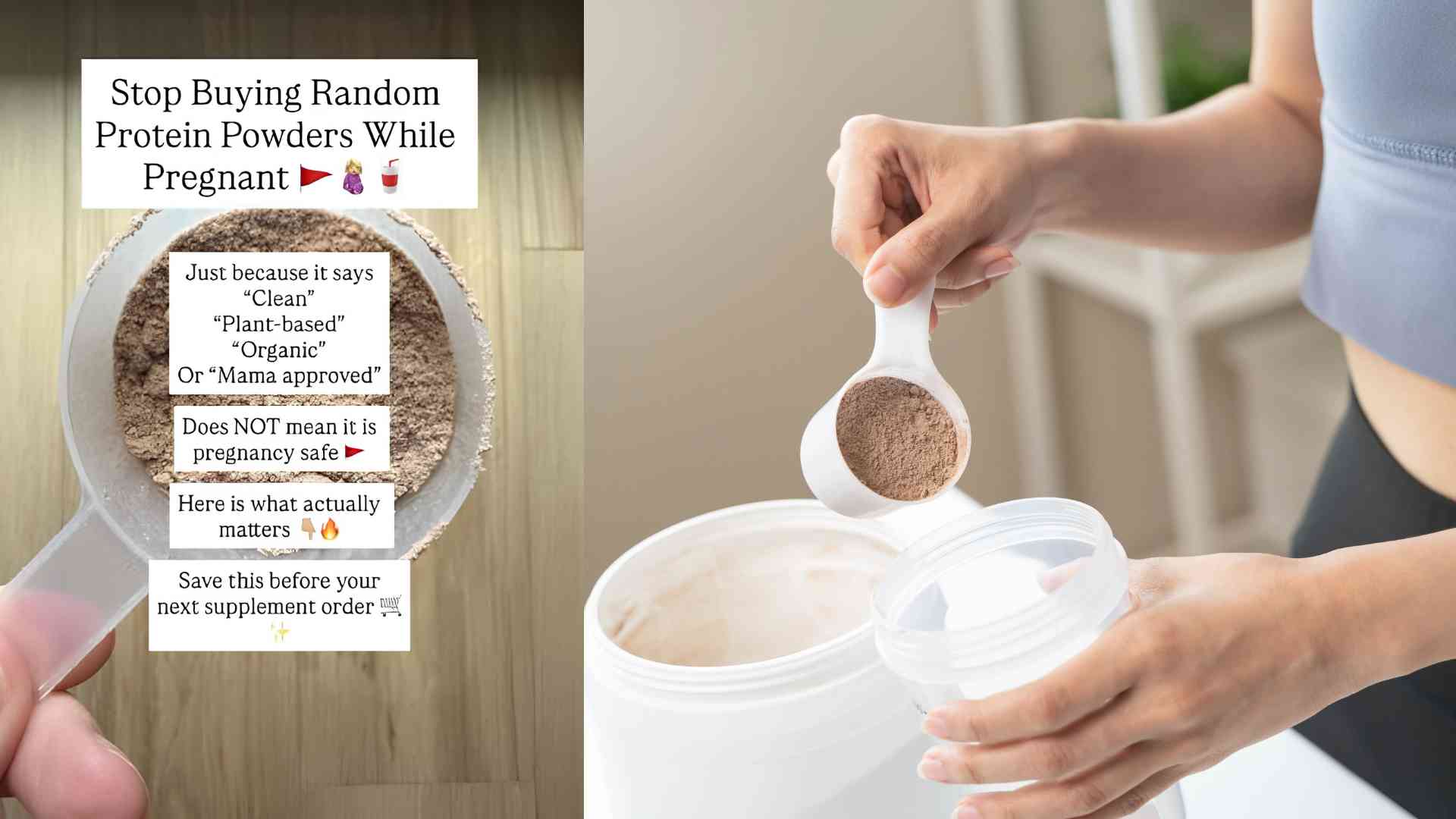
Looking for the best protein powder for pregnant women? Discover safe, doctor-informed choices, protein requirements by trimester, Indian diet tips, and expert nutrition guidance from CalmNest Yoga to support a healthy pregnancy and baby's growth.
Introduction
Congratulations on your pregnancy! This is a time of incredible transformation, and nourishing your body with the right nutrients is one of the most important things you can do for yourself and your growing baby. Among these vital nutrients, protein takes center stage, playing a fundamental role in your baby's development and your own health.
A common question arises: "How can I meet my increased protein needs, especially when dealing with morning sickness, food aversions, or a busy lifestyle?" This is where protein powders can be a convenient and effective solution. However, with countless options available and the critical importance of safety during pregnancy, choosing the right product can feel overwhelming.
This comprehensive guide, written with the guidance of prenatal nutrition experts, will walk you through everything you need to know. We'll explore the safety and benefits of protein powder during pregnancy, break down your protein requirements trimester-by-trimester, compare the best types (whey vs. plant-based), reveal ingredients to avoid, and even share delicious homemade recipes. Our goal is to equip you with the knowledge to make a confident, informed choice that supports a healthy and happy pregnancy journey.
Quick Answer
Yes, protein powder is generally considered safe and beneficial during pregnancy for most women. It serves as a convenient tool to help you meet your increased daily protein requirements of 70 to 100 grams, especially when dealing with food aversions or nausea. However, it is crucial to choose a clean, high-quality product with minimal ingredients and third-party testing to avoid hidden toxins and unnecessary additives.
The safest types are often whey isolate or organic pea protein. Always, consult your doctor or a registered dietitian before adding any new supplement to your pregnancy routine. Remember, protein powder is a supplement, not a replacement for a balanced diet of whole foods.
Key Takeaways
- Safest Types: Whey protein isolate, organic pea protein, and collagen peptides are among the best choices for pregnancy due to their purity and digestibility.
- Choose Wisely: Look for products with short ingredient lists, no artificial sweeteners, and third-party testing certifications.
- Ingredients to Avoid: Steer clear of artificial sweeteners (e.g., sucralose, aspartame), added sugars, proprietary blends, and herbs like ashwagandha that lack safety data for pregnancy.
- Daily Need: Your daily protein requirement increases significantly during pregnancy, from about 0.8g/kg of body weight pre-pregnancy to 1.1g/kg during pregnancy (approx. 70-100g total).
- Whole Foods First: Prioritize protein from whole food sources like eggs, Greek yogurt, lentils, and lean meats. Use protein powder to fill the gaps when you can't meet your needs through diet alone.
- Holistic Health: A balanced diet rich in protein complements a healthy lifestyle, which can include practices like prenatal yoga to support physical and mental well-being.
What is Protein Powder?
Protein powder is a concentrated source of protein derived from various sources. It is a dietary supplement commonly used to help individuals increase their protein intake conveniently. The primary sources for protein powders include:
- Whey and Casein: These are milk-derived proteins. Whey is quickly absorbed, while casein is digested more slowly. Whey protein comes in three forms: concentrate, isolate, and hydrolysate. Isolate is preferred during pregnancy because it undergoes more processing to remove most fat and lactose, making it easier to digest.
- Plant-Based Proteins: These come from sources like peas, rice, soy, and hemp. They are excellent for vegans and those with dairy allergies. Since most plant proteins are "incomplete" (lacking one or more essential amino acids), choosing a blend like pea and rice protein ensures a comprehensive amino acid profile.
- Egg Protein: Made from egg whites, this is a complete protein and is dairy-free.
- Collagen: This is sourced from animal connective tissues and is popular for its benefits for skin, hair, and joint health. It contains amino acids like glycine and proline, which are especially vital during pregnancy for fetal tissue development, placental formation, and maternal tissue repair.
Why Protein is Important During Pregnancy
Protein is a crucial macronutrient, often called the "building block" of life. During pregnancy, its importance is amplified as it directly supports your baby's growth and your body's profound changes.
Your baby's cells, tissues, and organs are all built from protein. It forms the structural foundation for their skin, hair, nails, muscles, and bones. For you, the mother, protein supports the massive expansion of your blood volume (nearly 50%!), the growth of your uterus and placenta, and the development of breast and uterine tissue to prepare for breastfeeding. Protein also plays a role in supporting healthy placental function and better birth outcomes. Getting enough protein can also help stabilize blood sugar levels, reduce cravings, and prevent excessive pregnancy weight gain.
Is Protein Powder Safe During Pregnancy?
The short answer is yes. Most high-quality protein powders are considered safe for consumption during pregnancy and can be a valuable tool to meet your nutritional needs.
However, "safe" comes with important conditions. Dr. Peter Rizk, an OB-GYN, suggests that while protein powder can be helpful if you're struggling to eat enough, your nutrition should ideally come from whole foods first. Protein powders are supplements—they're there to "fill the gaps" when you can't get enough protein through your diet, not to replace healthy meals.
The Critical Caveat: Third-Party Testing
A major concern with protein powders is contamination with heavy metals (like lead, arsenic, and cadmium) and other harmful substances. Studies have found lead in popular protein powders, which is particularly concerning during pregnancy. Because the dietary supplement industry is not strictly regulated by authorities like the FDA, companies are not required to prove their products are safe or free from contaminants before selling them.
This is why our experts unanimously stress the importance of choosing a product that has been third-party tested. Look for certifications from organizations like the Clean Label Project, NSF International, or USP (U.S. Pharmacopeia). These seals mean an independent lab has verified that the product is pure, safe, and contains what the label claims it does.
Can Pregnant Women Drink Protein Shakes Daily?
Yes, it is generally safe for pregnant women to consume a protein shake daily, provided it's a high-quality, clean product that fits within your daily nutritional needs. For many, a daily shake is a simple and effective way to add 20-30 grams of high-quality protein to their diet.
Dr. Ben Schuff, ND, LDN, notes that as long as the primary ingredient is a clean protein source (whey, pea, collagen, etc.), and it only has small amounts of natural flavors or sweeteners like stevia, consuming it daily is typically acceptable.
It's crucial to treat the shake as a supplement, not a meal replacement. Think of it as adding a protein boost to your breakfast smoothie or a post-workout recovery drink. Remember to log the calories and protein from your shake as part of your total daily intake to avoid exceeding your nutritional needs.
How Much Protein Do Pregnant Women Need?
Your protein needs increase significantly during pregnancy.
The National Academy of Medicine recommends about 71 grams per day during the second and third trimesters. However, more recent studies suggest that many women benefit from 70–100 grams of protein per day.
Here is a more detailed breakdown based on body weight and trimester:
First Trimester: About 0.8 grams per kilogram of body weight per day (similar to non-pregnant women).
- Second Trimester: About 1.1 grams per kilogram per day.
- Third Trimester: Up to 1.3–1.5 grams per kilogram per day, as this is when the baby grows rapidly and protein deposits are highest.
To calculate your needs: Divide your weight in pounds by 2.2 to get kilograms, then multiply by the target for your trimester.
Example: If you weigh 150 pounds (68 kg):
- First Trimester: 68 kg × 0.8 = ~54 g/day
- Second Trimester: 68 kg × 1.1 = ~75 g/day
- Third Trimester: 68 kg × 1.3 = ~88 g/day
Several factors can influence this number, including your pre-pregnancy weight, activity level, and whether you are carrying multiples (twins or triplets). Always discuss your specific needs with your healthcare provider or a registered dietitian for personalized guidance.
Protein Requirement by Trimester (Table)
Trimester | Key Focus | Approx. Extra Daily Calories | Protein Intake Goal | Nutritional Strategy |
|---|---|---|---|---|
First | Survival & Baseline Nutrition | None | ~70g | Focus on eating what you can stomach. If morning sickness is severe, prioritize a clean protein shake when you can keep it down to prevent muscle breakdown and stabilize blood sugar. Learn more about managing morning sickness in our blog on Nausea & Vomiting in Pregnancy (ICD-10). |
Second | Supporting Rapid Fetal Growth & Maternal Tissues | ~340 calories | ~80-90g | This is a prime time to integrate a daily protein smoothie. Your appetite is likely better, and your baby's organs and tissues are developing rapidly. Increase intake of whole foods like lentils, eggs, and yogurt. |
Third | Peak Demand, Brain Development, & Labor Prep | ~450 calories | ~90-100g | Protein demand is at its highest as your baby gains weight and stores fat. Falling short can lead to severe fatigue and slow postpartum recovery. Continue prioritizing protein and consider adding collagen for perineal and pelvic floor support. |
Signs of Protein Deficiency During Pregnancy
While most women in developed nations get enough protein, a shortfall can happen. Be aware of these potential signs:
- Fatigue and Weakness: Feeling overly tired despite getting enough sleep is a common sign.
- Muscle Loss and Weakness: Your body may break down its own muscle tissue to supply amino acids to the baby.
- Hair and Nail Problems: Protein is essential for hair and nail growth. Deficiency can cause them to become brittle and thin.
- Fluid Retention (Edema): Low protein levels can affect the balance of fluids in your body, leading to swelling in the hands, feet, and legs.
- Weakened Immune System: You might get sick more often than usual.
- Slow Wound Healing: Cuts and scrapes might take longer to heal.
Top 12 Best Protein Powders for Pregnant Women
Here are some of the best and most recommended options for pregnancy, broken down into categories. Remember to consult your doctor before starting any new supplement.
Comparison Table: Best Protein Powders for Pregnancy
Brand | Best For | Protein Source | Protein Per Serving | Key Features | Price Range (Per Serving) |
|---|---|---|---|---|---|
Ritual Essential Daily Shake | Overall Top Pick | Plant-Based (Pea & Rice) | 20g | Third-party tested, vegan, DHA & choline added, designed for prenatal/postpartum | ~$2.93 |
Transparent Labs Whey Isolate | Best Clean Whey | 100% Whey Isolate | 28g | Third-party tested, gluten-free, no artificial sweeteners | ~$2.00 |
Gainful Plant Protein | Best Vegan | Customized Plant Blend | 22-27g | Personalized to dietary needs, third-party tested, subscription-based | ~$3.21 |
Orgain Organic Vegan Protein | Best Budget Plant-Based | Organic Plant Blend (Pea, Brown Rice, Chia) | 21g | Affordable, vegan, no added sugar, non-GMO, carrageenan-free | ~$1.50 |
Nutricost Whey Protein Concentrate | Best Overall Budget | Whey Concentrate | 25g | Budget-friendly, third-party tested, simple ingredients | ~$0.78 |
Sports Research Whey Isolate | Best Clean/Organic Whey | Grass-fed Whey Isolate | 25g | Organic, third-party tested, simple ingredients | ~$1.46 |
Organifi Complete Protein | Best Organic/Plant-Based | Organic Plant Blend | 20g | USDA Organic, includes greens and adaptogens (check herbs for safety) | ~$2.67 |
Fairlife Nutrition Plan | Best Ready-to-Drink | Ultra-Filtered Milk | 30g | Convenient, lactose-free, great taste | ~$3.00+ |
Oikos Pro Yogurt Drink | Best Non-Powder Alternative | Greek Yogurt | 25g | Ready-to-drink, high protein, probiotic-rich | ~$2.50 |
Nurri Protein Shake | Best Budget Ready-to-Drink | Ultra-Filtered Milk | 28g | Budget-friendly ready-to-drink, good for on-the-go | ~$2.00 |
Pro-PL Protein Powder | Best for Indian Market | Whey Protein Concentrate | Varies | Designed for pregnancy & lactation, 28 essential vitamins & minerals, cardamom flavor | ~₹150-200 |
NeutriSpa 99% Whey Protein Isolate | Best Indian Whey | 99% Whey Protein Isolate | 20g | 0 artificial sweeteners, 0 sugar, third-party tested, extremely high purity | ~₹200-250 |
Best Whey Protein Isolate for Pregnancy
Whey protein isolate is often recommended by experts for pregnancy. It's a high-quality, complete protein that is quickly absorbed by the body. Isolate is preferred over concentrate because it undergoes more processing to remove most of the fat and lactose, making it easier to digest, especially for women who may have developed a temporary lactose sensitivity during pregnancy.
Top Picks: Transparent Labs 100% Grass-Fed Whey Protein Isolate, Sports Research Whey Protein Isolate.
Best Plant-Based Protein for Pregnancy
Plant-based proteins are an excellent choice, especially for vegans, vegetarians, or women with dairy allergies. Look for a blend of plant proteins (like pea and rice) to ensure you're getting a complete amino acid profile.
Top Picks: Ritual Essential Protein Daily Shake Pregnancy & Postpartum, Orgain Organic Plant-Based Protein Powder, Gainful Plant Protein.
Best Indian Protein Powder Brands
For our Indian mothers and global readers, we've curated a list of the best protein powder brands available in India:
Brand | Best For | Protein Source | Protein Per Serving | Key Features | Price Range (Per Serving) |
|---|---|---|---|---|---|
NeutriSpa 99% Whey Protein Isolate | Best Overall Indian | 99% Whey Protein Isolate | 20g | 0 artificial sweeteners, 0 sugar, third-party tested, extremely high purity | ~₹200-250 |
Pro-PL Protein Powder | Best for Pregnancy & Lactation | Whey Protein Concentrate | Varies | Contains 28 essential vitamins & minerals, cardamom flavor to reduce nausea, supports pregnancy & lactation | ~₹150-200 |
Amway Nutrilite All Plant Protein | Best Plant-Based | Pea, Soy & Rice Protein | 8g per scoop | USP-verified, low fat, cholesterol-free, suitable for vegetarians | ~₹150-200 |
Herbalife Formula 1 | Best for Meal Replacement | Soy & Whey Blend | 18g | Clinically tested, protein + carbs, multiple flavors | ~₹160-220 |
GNC Pro Performance 100% Whey | Best International | Whey Protein Blend | 24g | High BCAA, fast absorption, trusted global brand | ~₹180-250 |
Myprotein Impact Whey | Best Budget Indian | Whey Concentrate | 19g | Great value, variety of flavors, international quality, regular offers | ~₹120-180 |
Best International Brands
- Ritual Essential Protein Daily Shake Pregnancy & Postpartum: Specifically designed for pregnancy and postpartum, this product is tested for purity, contains 20g of plant-based protein, and also includes DHA, folate, choline, and other essential nutrients for a healthy pregnancy.
- Orgain Organic Plant-Based Protein Powder: A very popular, budget-friendly, and widely available option. It has 21g of organic plant protein, no added sugar, and is verified non-GMO.
- Transparent Labs Whey Protein Isolate: A top choice for those wanting a clean whey protein with no artificial sweeteners and third-party testing.
Ingredients to Look For
When you flip that tub over, the ingredient list is your most important guide. Here's what to look for:
- Simple, Clean Ingredients: The best protein powders have a short, recognizable ingredient list. Think "Whey Protein Isolate" or "Organic Pea Protein" as the first and primary ingredient.
- Natural Sweeteners: If you prefer a flavored powder, look for those sweetened with natural, zero-calorie options like stevia, monk fruit, or erythritol.
- Third-Party Testing Certification: Look for a seal from the Clean Label Project, NSF, or USP to ensure the product is safe from heavy metals and other contaminants.
- Grass-Fed or Organic: For whey protein, choosing a grass-fed source is considered better. For plant-based proteins, choosing organic ensures the ingredients are free from harmful pesticides.
Ingredients to Avoid
Heavy Metals
The Environmental Working Group has found that many protein powders contain measurable levels of heavy metals like lead, arsenic, cadmium, and mercury. Chronic exposure to these toxins is harmful to fetal development. This is why third-party testing is non-negotiable. Certifications like Clean Label Project are your best defense against this hidden risk.
Artificial Sweeteners
Avoid protein powders that contain artificial sweeteners like sucralose, aspartame, and acesulfame K. While considered safe for the general population in small amounts, it's best to minimize their consumption during pregnancy. They can also trigger sugar cravings and alter gut microbiota.
Added Sugar
Many commercial protein powders are loaded with added sugars or sugar alcohols. Excess sugar can contribute to unhealthy weight gain and increase the risk of gestational diabetes. Choose products with zero or very low added sugar.
Preservatives and Unnecessary Additives
Steer clear of products with long lists of unrecognizable chemicals, artificial colors, and preservatives. If you can't pronounce it, you probably don't want to be ingesting it regularly during pregnancy.
Unsafe Herbs
While some protein powders include "superfood" blends, certain herbs are contraindicated during pregnancy. Avoid products that include ashwagandha, ginseng, yohimbe, and other herbs that can act as stimulants or affect hormones.
Plant Protein vs. Whey Protein
This is a common question, and the best answer is that both are excellent options; it depends on your individual needs.
- Whey Protein: A "complete" protein, meaning it contains all nine essential amino acids your body needs. It's very high in leucine, a key amino acid for muscle building, and is rapidly absorbed. It's a great option for active women. Research shows whey protein has a high net utilization rate of about 92%, making it highly bioavailable. However, it's derived from dairy, so it's not suitable for vegans or those with dairy allergies.
- Plant Protein: Often chosen by vegans or those with dairy sensitivities. A single plant source (like pea or brown rice) is usually an "incomplete" protein because it lacks one or more essential amino acids. Therefore, it's best to look for a blend (e.g., pea and rice protein) which, when combined, provides a complete amino acid profile. Plant proteins are also often high in fiber and gentle on the stomach.
Which Protein Powder is Best for Vegetarians?
Vegetarians have a wide range of excellent options, including:
- Whey Protein: Both isolate and concentrate are great choices. They are derived from milk, making them a perfect fit for lacto-vegetarians.
- Egg White Protein: A fantastic dairy-free option for ovo-vegetarians.
- Plant-Based Proteins: Options like pea, brown rice, and soy are all viable for vegetarians.
Which Protein Powder is Best for Vegans?
For vegans, the choice is clear: plant-based protein powders. Look for high-quality blends that combine different protein sources like pea, brown rice, and hemp to ensure you get a complete amino acid profile. Avoid any product with whey, casein, or collagen. Reputable brands include Orgain, Ritual, and Gainful.
Can Protein Powder Help Baby Growth?
Absolutely. The amino acids from protein are the literal building blocks of your baby's body. Protein is essential for:
- Cellular Development: Every single cell in your baby's body is formed from protein.
- Optimal Birth Weight: Adequate maternal protein intake is linked to a lower risk of low birth weight and supports healthy fetal growth.
- Tissue and Organ Formation: Protein is crucial for the development of your baby's brain, heart, lungs, muscles, and bones.
Using a clean protein powder to ensure you meet your daily quota helps provide a constant supply of these critical building materials, directly supporting your baby's growth and development.
Can Protein Powder Reduce Pregnancy Fatigue?
Yes, it can. Fatigue is one of the most common complaints during pregnancy. A significant part of this is due to the body's increased metabolic demands.
Protein helps stabilize blood sugar levels. Unlike simple carbohydrates that cause a quick energy spike and crash, protein is digested slowly, providing a sustained release of energy. Getting enough protein can help prevent those mid-day energy slumps and promote more stable energy throughout the day. It also provides the raw materials for your body to produce energy efficiently.
Protein Powder for Morning Sickness
Morning sickness can make it incredibly difficult to eat, let alone get enough protein. For many women, the thought of eating chicken, eggs, or fish is enough to trigger a wave of nausea.
This is where protein powder truly shines. A simple protein shake made with water or a clear liquid can be much easier to stomach. It's a quick, convenient way to get vital nutrients when you can't keep solid food down.
- Tip: Choose an unflavored or lightly flavored protein (like vanilla or fruit) and mix it with cold water, coconut water, or a smoothie. This can be easier on a sensitive stomach than rich, creamy flavors. Practicing gentle Pregnancy Breathing Exercises can also help manage nausea.
Protein Powder for Gestational Diabetes
Gestational diabetes (GD) is a condition that affects blood sugar levels during pregnancy. Protein is a key nutrient for managing GD because it does not raise blood sugar.
A protein shake, especially one made with whey isolate or a plant-based protein, has a very low glycemic index. When combined with a meal or snack, it helps slow down the absorption of carbohydrates, preventing sharp spikes in blood sugar. This makes it an excellent choice for women needing to manage their blood sugar levels. Always choose a product with no added sugar.
Trimester-by-Trimester Guide
Protein Powder During First Trimester
Key Focus: Survival and dealing with morning sickness.
Strategy: Your calorie needs don't increase much, but keeping food down is the main challenge. A clean, unflavored protein isolate mixed with clear fluids can be a lifesaver, preventing muscle breakdown and stabilizing blood sugar when you can't eat solid food. If you are experiencing severe nausea, you might find our article on Nausea & Vomiting in Pregnancy (ICD-10) helpful.
Protein Powder During Second Trimester
Key Focus: Supporting rapid growth and maternal tissue expansion.
Strategy: This is the "golden" trimester. Your appetite is back, and your baby is growing fast. This is the best time to integrate a daily protein smoothie into your routine. Combine the powder with milk, yogurt, fruits, and greens for a nutrient-packed meal. You can also check our guide on Prenatal Yoga Benefits by Trimester to complement your nutrition with gentle movement.
Protein Powder During Third Trimester
Key Focus: Peak demand, brain development, and preparation for labor.
Strategy: Your baby is gaining fat and weight, and their brain is developing rapidly. Protein demand is at its highest. Falling short can lead to severe fatigue and slow postpartum recovery. Continue prioritizing protein and consider adding collagen to your routine for its benefits for skin elasticity and pelvic floor support. If you're experiencing discomfort, our article on Prenatal Yoga for Hip Pain may help.
Homemade Pregnancy Protein Shakes
Here are some delicious and healthy protein shake recipes:
1. Classic Berry Blast
- 1 scoop unflavored or vanilla protein powder
- 1 cup unsweetened almond milk or milk
- 1 cup mixed frozen berries
- 1/2 banana
- 1 handful of spinach
2. Peanut Butter Banana Power
- 1 scoop chocolate or vanilla protein powder
- 1 cup milk
- 1 banana
- 1 tbsp peanut butter
3. Green Goddess
- 1 scoop unflavored protein powder
- 1 cup coconut water
- 1/2 avocado
- 1 cup spinach
- 1/2 cup pineapple
Easy Indian Protein Shake Recipes
1. Ayurvedic Protein Lassi
- 1 scoop unflavored whey protein isolate
- 1 cup low-fat yogurt
- 1/2 cup water
- 1/4 tsp cardamom powder
- Pinch of saffron
- Blend until smooth.
2. Mango Turmeric Smoothie
- 1 scoop vanilla protein powder
- 1 cup chopped mango
- 1 cup milk or almond milk
- 1/4 tsp turmeric powder
- Small piece of ginger
3. Nutty Date Shake
- 1 scoop unflavored protein powder
- 2-3 soft dates
- 4-5 soaked almonds
- 1 cup milk
Protein-Rich Indian Foods for Pregnancy
You don't always need a powder! Indian cuisine is packed with incredible protein sources.
- Lentils (Dal): Moong dal, masoor dal, urad dal, and toor dal are fantastic sources of plant-based protein and fiber.
- Legumes: Rajma (kidney beans) and chole (chickpeas) are not only rich in protein but also provide iron and folate.
- Paneer (Cottage Cheese): This is a nutritional powerhouse, especially for vegetarians. It's high in protein and calcium.
- Greek Yogurt (Dahi): A staple in Indian meals, it's rich in protein, calcium, and probiotics for good gut health.
- Nuts and Seeds: Almonds, walnuts, pistachios, pumpkin seeds, and sunflower seeds are excellent sources of protein and healthy fats.
- Eggs: A versatile and complete protein source.
- Sprouts: Moong sprouts are low in calories but high in protein and other nutrients.
One-Day Pregnancy Meal Plan
This is a sample plan to show how you can easily meet your protein needs.
- Breakfast (25g Protein): 2 eggs (12g) + 2 slices whole-wheat toast + 1 glass of milk (8g) = 20g.
- Morning Snack (10g Protein): A handful of almonds and a cup of Greek yogurt.
- Lunch (25g Protein): 1 bowl of moong dal (14g) + 1 roti + a small bowl of paneer curry (10g).
- Afternoon Snack (20g Protein): A protein shake with 1 scoop of your chosen powder (20g) + a banana.
- Dinner (25g Protein): A piece of grilled fish or chicken (25g) with a large salad and a bowl of vegetables.
Total Protein: ~100g (This is an estimate; adjust according to your specific needs).
Protein Food Chart (Indian Context)
This chart lists common Indian foods and their approximate protein content per serving.
Food Item | Serving Size | Approx. Protein (g) |
|---|---|---|
Paneer (Cottage Cheese) | 100g | 18-20 |
Moong Dal (Split Yellow Gram) | 1 Cup (Cooked) | 14-16 |
Chole (Chickpeas) | 1 Cup (Cooked) | 15 |
Rajma (Kidney Beans) | 1 Cup (Cooked) | 15 |
Greek Yogurt (Dahi) | 1 Cup | 10-12 |
Whole Milk | 1 Cup | 8 |
Eggs | 2 Large | 12 |
Chicken (Breast) | 100g | 25-30 |
Fish | 100g | 20-25 |
Nuts (Almonds) | 1/4 Cup (23 nuts) | 6 |
How to Read Protein Powder Labels
Labels can be confusing. Here's a step-by-step guide:
- Serving Size: Check the serving size. The protein number is based on that exact amount.
- Protein Per Serving: This is the key number. Aim for a powder that gives you at least 20g of protein per scoop.
- Ingredient List: This is the most important section. Look for a short, recognizable ingredient list. Is the protein source the first item?
- Sugar: Check the "Total Sugars" and "Added Sugars" lines. Choose products with 0g or low added sugar.
- Sweeteners: Read the ingredients for artificial sweeteners like aspartame or sucralose. Avoid these.
- Other Additives: Look out for fillers, artificial colors, and preservatives. The fewer, the better.
How to Choose a Safe Protein Powder
- Choose Your Type: Decide whether you want a whey, plant-based, or collagen powder based on your dietary restrictions and preferences.
- Check for Purity: The first ingredient should be the protein source (e.g., 100% Whey Protein Isolate).
- Minimal Ingredients: Look for a short ingredient list. Avoid products with artificial sweeteners, flavors, or colors.
- Verify with Third-Party Testing: Look for a seal from the Clean Label Project, NSF, or USP on the label to ensure the product is free from heavy metals and other contaminants.
- Consult Your Doctor: Before purchasing, run your chosen product by your OB-GYN or a registered dietitian to get their final approval.
Common Mistakes to Avoid
- Choosing Taste Over Safety: Don't let delicious flavors and branding trick you into buying an unhealthy product.
- Assuming All Plant Proteins are Best: Some plant proteins are incomplete. Choose a blend. Also, soy protein is a point of debate; stick with pea or rice blends for safety.
- Using Protein Powder as a Meal Replacement: This is one of the biggest mistakes. You need the vitamins and minerals from whole foods. A protein shake is a supplement, not a meal replacement.
- Ignoring the Label: Reading the ingredient list and nutrition facts is the most important step.
- Not Getting a Doctor's Approval: Always talk to your healthcare provider before starting any new supplement.
Expert Tips for Supplementing Protein
- Consider Collagen: Adding collagen protein to your diet can be particularly beneficial in the third trimester to support skin elasticity and pelvic floor health.
- Think About Hydration: Protein powders need fluid to be digested properly. Make sure you're staying well-hydrated throughout the day.
- Don't Overdo It: More protein is not always better. Stick to the recommended intake (70-100g/day) unless your doctor advises otherwise.
Myths vs. Facts: Protein Powder During Pregnancy
Myth 1: "Plant protein is gentler and better for pregnancy."
Fact: This is a common misconception. While plant protein is a great choice, whey protein isolate is often more efficiently absorbed (Net Utilization: Whey Isolate ~92% vs. Soy ~61%). The "best" choice is a high-quality product that suits your dietary needs.
Myth 2: "Protein powder is harmful to the baby."
Fact: A high-quality, third-party-tested protein powder is safe and beneficial. It helps provide the necessary building blocks for your baby's growth.
Myth 3: "You can't take protein powder if you have gestational diabetes."
Fact: Protein powder is actually a great choice for women with gestational diabetes because it has a low glycemic index and doesn't raise blood sugar levels.
Prenatal Yoga + Pregnancy Nutrition
At CalmNest Yoga, we believe a holistic approach is key to a healthy pregnancy. Nutrition and physical activity go hand-in-hand. The strength and flexibility you build through prenatal yoga can help you carry your growing body with more ease. It can also help manage common discomforts like back pain and sciatica.
Following a balanced diet rich in protein provides the fuel for these physical activities, while a consistent yoga practice can help reduce stress, improve sleep, and prepare your body for labor. For more on this, check out our comprehensive guide on Prenatal Yoga Benefits by Trimester and learn about our specialized Prenatal Yoga Classes.
When to Consult a Doctor
- Before Starting: Always consult your doctor before taking any new supplement to ensure it's right for you.
- If You Have Kidney Issues: If you have a history of kidney disease or preeclampsia, protein intake must be carefully monitored by a professional.
- If You Have Severe Nausea: If you are experiencing severe morning sickness and can't keep any food or fluids down, consult your doctor immediately.
Final Verdict
Protein powder is a safe, convenient, and effective tool to help you meet your increased protein needs during pregnancy. It can be especially beneficial for managing morning sickness, supporting a vegan or vegetarian diet, and ensuring your baby has all the essential building blocks for healthy growth.
However, the key to safety is informed choice. Prioritize products with clean, minimal ingredients, avoid artificial sweeteners and harmful additives, and always look for the seal of an independent, third-party testing organization like the Clean Label Project. Your doctor or a registered dietitian is your best partner in making this decision.
Conclusion
Navigating pregnancy nutrition doesn't have to be complicated. By understanding the importance of protein and learning how to choose the safest, best protein powder for your needs, you are taking a powerful step toward a healthy pregnancy and a strong, thriving baby.
Nourish your body with wholesome foods, support it with gentle movement, and listen to your healthcare provider's guidance. You've got this!
Medical Disclaimer
The information provided in this article is for educational and informational purposes only and is not intended as medical advice. It is not a substitute for professional medical consultation, diagnosis, or treatment. Always seek the advice of your physician, obstetrician, or another qualified health provider with any questions you may have regarding a medical condition or treatment. Reliance on any information provided by CalmNest Yoga is solely at your own risk.
Call To Action
Ready to support your pregnancy journey with gentle, effective movement? At CalmNest Yoga, we offer specialized Prenatal Yoga Classes designed to help you stay active, reduce stress, and prepare your body for labor. Our expert instructors provide a safe and supportive environment for every trimester. Visit our website today to learn more and join our community!