
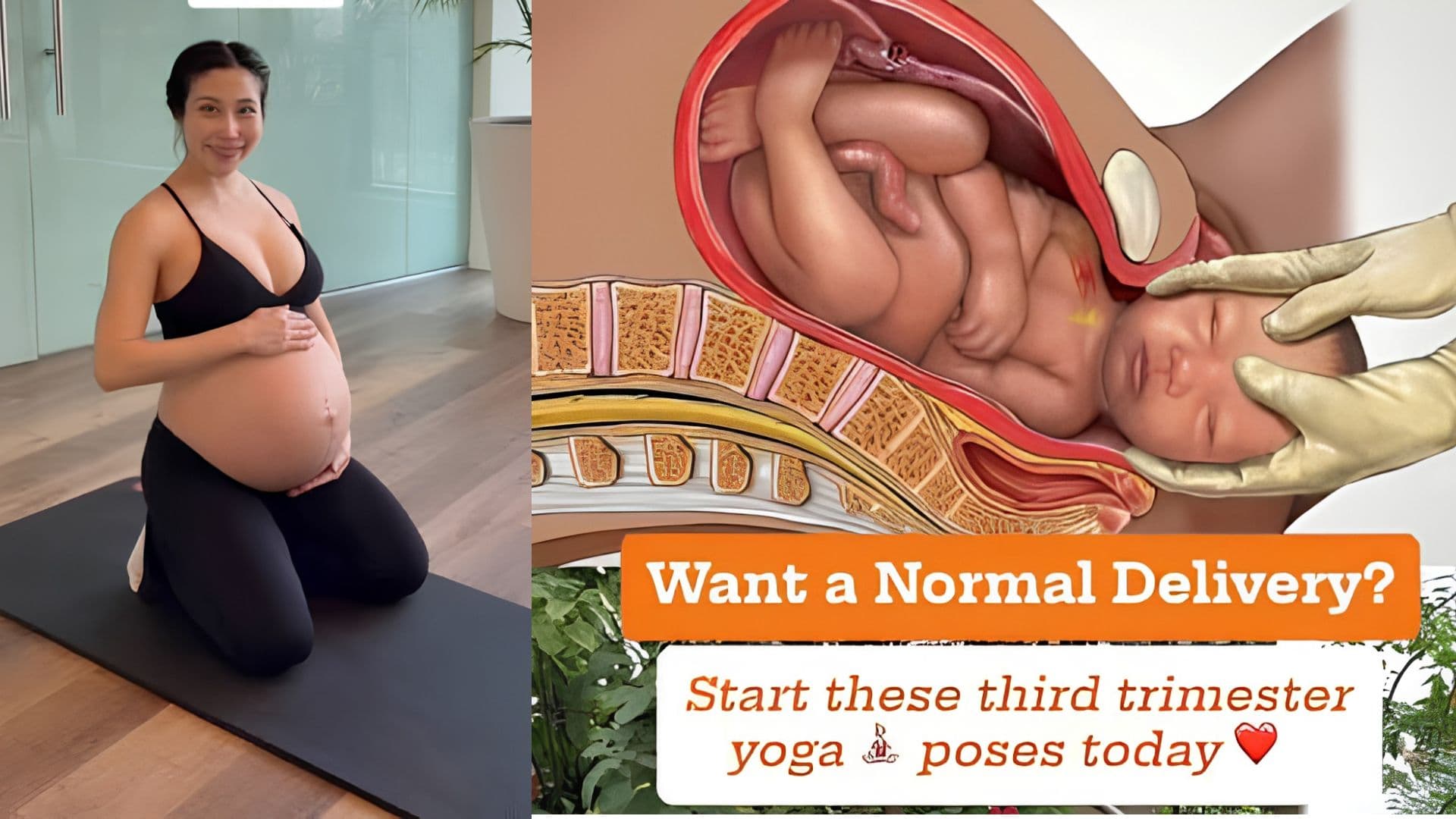
3rd trimester prenatal yoga for normal delivery with safe, gentle guidance from CalmNest Yoga to support mobility, relaxation, breathing, and preparation for labor.
The third trimester brings a mix of excitement and physical challenges. Your baby is growing rapidly, your body is preparing for labor, and you might be thinking more seriously about how to make your delivery as smooth as possible. If you're in India and exploring ways to support a normal delivery, you've probably come across discussions about 3rd trimester prenatal yoga for normal delivery.
Many pregnant women in India are incorporating prenatal yoga into their daily routines. Hospitals and healthcare professionals often recommend it as a safe, gentle way to stay active, manage discomfort, and prepare both mind and body for childbirth.
Research has shown that regular practice of antenatal exercises with yoga in the second and third trimesters promotes comfort, decreases labor pain, and supports normal deliveries. But beyond the research, what does this mean for you? How can specific poses, breathing techniques, and relaxation practices actually help you feel more prepared for the big day?
This comprehensive guide covers everything you need to know about safe and effective prenatal yoga during your third trimester. We'll walk you through detailed pose instructions, important safety considerations, breathing techniques for labor, and how to get started with expert guidance.
Is Third Trimester Yoga Safe?
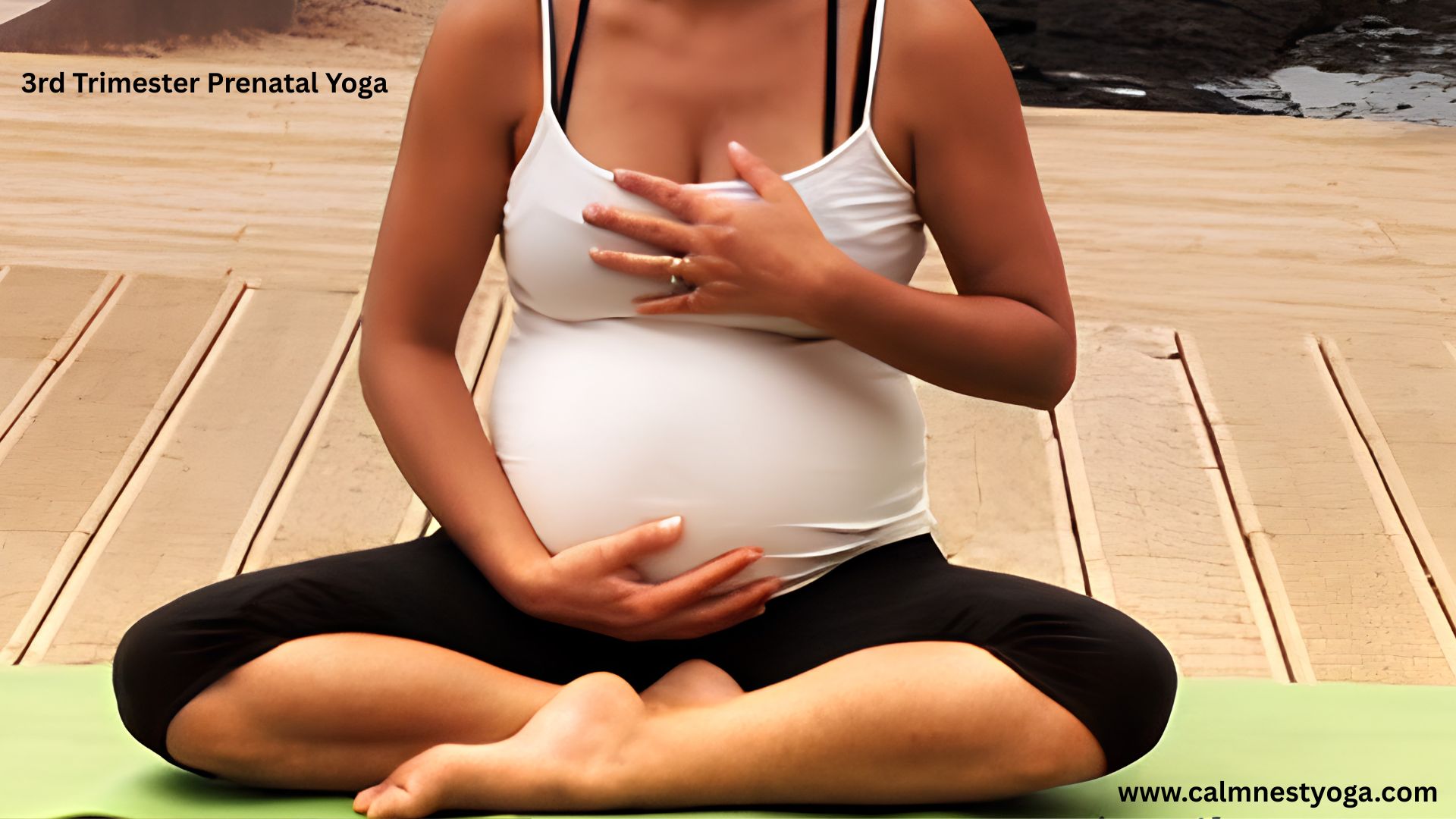
Yes, prenatal yoga is generally safe for most women with healthy pregnancies during the third trimester. However, it requires modifications, extra care, and approval from your healthcare provider before starting any new exercise routine.
Every pregnancy is unique, and what works for one woman may not work for another. The key is to listen to your body, avoid pushing yourself too hard, and always prioritize safety over intensity. Women with conditions like high blood pressure, gestational diabetes, placenta previa, or a history of preterm labor should get personalized advice from their doctor before practicing yoga.
How Third Trimester Yoga Supports Your Body
The final weeks of pregnancy bring specific physical and emotional needs. A consistent prenatal yoga practice can help in several meaningful ways:
Gentle Mobility and Comfort: Staying active helps ease the aches and stiffness that come with carrying extra weight. Gentle exercises strengthen the muscles needed for labor while also reducing stress and anxiety. Many women find that regular movement helps them sleep better, even with the discomforts of late pregnancy.
Hip and Pelvic Preparation: Specific poses help open the hips and relax the pelvic muscles. This prepares your body for a smoother delivery by increasing flexibility in the pelvic floor and surrounding areas. Opening the hips is essential for creating space for your baby to descend.
Relief from Common Discomforts: Yoga targets typical third-trimester complaints such as back pain, swelling in the legs and feet, fatigue, and shortness of breath. Gentle stretching and movement improve circulation and reduce fluid retention.
Breathing for Labor: Learning controlled breathing techniques is one of the most valuable skills you can develop. During labor, your breath becomes your anchor. Pranayama practices help you stay calm, focused, and in control during contractions.
Stress and Anxiety Management: The combination of movement and breathwork helps lower cortisol levels and promotes emotional well-being. Many women find that regular yoga practice reduces anxiety about labor and delivery.
Bonding with Your Baby: Mindful breathing and meditation create quiet moments to focus on your growing baby. This connection can be deeply comforting as your due date approaches.
7 Safe Prenatal Yoga Poses for the Third Trimester
When practicing in late pregnancy, always move slowly, use support like chairs, walls, blocks, or cushions, and never push into pain. Here are seven commonly recommended poses that are generally considered safe for the third trimester.
Butterfly Pose (Baddha Konasana)
How to perform it: Sit on the floor with your spine tall. Bring the soles of your feet together, letting your knees fall out to the sides. Hold your feet or ankles gently.
Breathing: Inhale to lengthen your spine, exhale to gently press your knees down toward the floor. Don't force the movement.
Why it's useful: This pose opens the hips, increases blood flow to the pelvic floor, and helps your body get used to the sensation of softening and opening. These are essential sensations for labor preparation.
Modification: Sit on the edge of a folded blanket or cushion to tilt your pelvis forward and protect your lower back.
Safety: Do not bounce your knees. Let gravity do the work gently. If you feel any strain in your groin, reduce the movement.
Cat-Cow Stretch (Marjariasana)
How to perform it: Start on your hands and knees in a tabletop position, with your wrists under your shoulders and your knees under your hips. Inhale as you arch your back and lift your gaze toward the ceiling (Cow). Exhale as you round your spine and tuck your chin toward your chest (Cat). Move slowly and rhythmically.
Breathing: Inhale for Cow, exhale for Cat. This rhythmic breathing helps calm the nervous system.
Why it's useful: Gentle spinal movement allows your belly to hang freely, releasing tension in your back and shoulders. It also encourages your baby to move into an ideal position for delivery.
Modification: Keep movements small and gentle. If your wrists feel uncomfortable, place a folded towel under them for support.
Safety: Avoid any discomfort in your lower back. If you feel pain, reduce the range of motion.
Supported Squat (Malasana)
How to perform it: Stand with your feet slightly wider than hip-width apart, toes pointing outward. Hold onto a chair, wall, or countertop as you slowly lower into a squat. Keep your chest lifted and your spine long.
Breathing: Breathe deeply into your belly as you hold the squat.
Why it's useful: This pose opens the hips, strengthens the legs, and enhances flexibility in the lower back and pelvis. It promotes proper alignment for childbirth and can even be used during early labor for comfort.
Modification: Always use support. Place a cushion under your heels if needed to help you balance. Only do this pose if it feels comfortable and you have good support.
Safety: Women with pubic symphysis or sacroiliac dysfunction should avoid squats. Stop immediately if you feel pressure or pain.
Pelvic Tilts
How to perform it: Stand with your back against a wall. Press your lower back gently into the wall, tilting your pelvis forward slightly. Hold for a few seconds, then release. You can also do this on your hands and knees.
Breathing: Exhale as you tilt your pelvis, inhale as you release.
Why it's useful: This simple exercise strengthens your lower back and pelvic floor muscles. It can help relieve lower back pain and improve your posture as your belly grows.
Modification: Keep the movement gentle and controlled. Do not press too hard into the wall.
Safety: If you feel any discomfort in your lower back, reduce the movement or try the hands-and-knees version.
Supported Warrior II (Virabhadrasana II)
How to perform it: Stand with your feet wide apart. Turn your right foot out to 90 degrees and your left foot slightly in. Inhale and extend your arms out to the sides. Exhale and bend your right knee, keeping it aligned over your ankle. Gaze over your right hand.
Breathing: Breathe steadily as you hold the pose for a few breaths. Repeat on the other side.
Why it's useful: This pose builds strength in your legs, hips, and arms. It improves circulation and supports healthy breathing by opening your chest.
Modification: Shorten your stance and use a chair for support if you feel unsteady. Keep your back leg straight but not locked.
Safety: Do not bend your knee past your ankle. Stop if you feel any strain in your knees or hips.
Standing Side Stretch (Konasana)
How to perform it: Stand with your feet about 2-3 feet apart. Inhale and raise one arm up by your ear. Exhale and gently bend your torso to the side. Keep your hips stable and your spine long.
Breathing: Inhale to lift, exhale to bend. Breathe deeply as you hold the stretch.
Why it's useful: This pose relieves tension in the side body and ribcage, giving your lungs more room to expand. It can help with shortness of breath.
Modification: Keep your feet stable and the movement small. If you feel unsteady, use a chair for support.
Safety: Do not lean forward; keep the stretch in the side of your body. Stop if you feel any strain.
Side-Lying Savasana (Relaxation Pose)
How to perform it: Lie on your left side with your head supported by a pillow. Place another cushion between your knees and one under your belly for comfort. Close your eyes and breathe slowly and deeply.
Breathing: Breathe naturally and deeply, relaxing your entire body.
Why it's useful: This allows full relaxation, reduces back strain, and promotes better blood flow to your baby. It's ideal for calming your body and mind before rest or sleep.
Modification: For added comfort, roll slightly toward your belly without fully rolling onto it.
Safety: Never lie flat on your back in the third trimester. This can put pressure on the vena cava, reducing blood flow to your heart and baby.
Breathing Exercises for Labor Preparation
Breathwork becomes a powerful tool in the final weeks of pregnancy. Calm, controlled breathing can help you relax, manage pain, and stay focused during labor.
Deep Belly Breathing: Sit or lie comfortably, placing one hand on your belly. Inhale slowly through your nose, feeling your abdomen rise. Exhale gently through your mouth, feeling your belly fall. This improves oxygen flow and relaxes the nervous system.
Ujjayi Breath (Ocean Breath): This gentle, audible breath helps you stay focused and calm during contractions. Inhale and exhale through your nose with a slight constriction at the back of your throat, creating a soft ocean-like sound.
Anulom Vilom (Alternate Nostril Breathing): This technique helps balance the nervous system and promotes relaxation. Use your thumb to close your right nostril, inhale through your left, then close your left and exhale through your right. Continue alternating.
Studies suggest that pranayama during the third trimester strengthens lung capacity and prepares the body for the physical demands of childbirth. To learn more, explore our guide on pregnancy breathing exercises.
Yoga Poses to Avoid in the Third Trimester
As your baby and belly grow, certain movements need to be modified or avoided entirely:
Lying Flat on Your Back: Avoid this after the first trimester. It can compress the vena cava, reducing blood flow to your heart and baby.
Deep Twists: Closed twists compress the abdomen. Use open twists from the shoulders instead.
Inversions: Avoid headstands, shoulder stands, and poses where your head is lower than your heart due to fall risk.
Deep Backbends: These can overstretch your abdominal muscles.
Hot Yoga: Overheating is dangerous for your baby. Practice in a cool, ventilated space.
High-Impact Movements: Jumping, hopping, or bouncing can strain your ligaments and joints.
Simple Third Trimester Routine
Here is a sample gentle routine. Remember, this is just an example, not personalized medical advice.
- Centering and Breathing — 2–3 minutes: Sit quietly and focus on deep, slow belly breaths.
- Gentle Neck and Shoulder Movement — 2 minutes: Roll your shoulders and gently turn your head from side to side.
- Cat-Cow Stretch — 2 minutes: Warm up your spine and encourage baby into an optimal position.
- Pelvic Tilts — 2 minutes: Activate your pelvic floor and lower back.
- Butterfly Pose — 2 minutes: Open your hips and increase pelvic blood flow.
- Supported Warrior II — 2 minutes on each side: Build strength and stamina.
- Standing Side Stretch — 2 minutes: Release your ribcage and improve breathing.
- Side-Lying Savasana — 3–5 minutes: Deep relaxation and connection with your baby.
Prenatal Yoga vs Regular Yoga
Feature | Prenatal Yoga | Regular Yoga |
|---|---|---|
Pregnancy Modifications | Integral to every pose | Rarely offered |
Intensity | Gentle, restorative | Can be intense |
Balance Considerations | Focuses on stability | May include challenging balances |
Breathing | Emphasizes deep, calming breathwork | Can include breath-holding |
Third Trimester Suitability | Designed specifically for this stage | Requires significant self-modification |
Instructor Awareness | Trained in pregnancy safety | May not have prenatal training |
Beginner Support | Highly beginner-friendly | May be intimidating |
Online vs In-Person Prenatal Yoga in India
Factor | Online Prenatal Yoga | In-Person Prenatal Yoga |
|---|---|---|
Convenience | Practice from home | Requires travel |
Travel | No travel needed | Time and effort to commute |
Home Practice | Encourages consistent home practice | Studio-based only |
Schedule Flexibility | Practice on your schedule | Limited to class timings |
Instructor Interaction | Guided with real-time feedback | Hands-on adjustments available |
Comfort | Familiar environment | May be intimidating |
When to Stop Yoga and Seek Help
Stop exercising immediately and contact your healthcare provider if you experience:
- Vaginal bleeding
- Significant abdominal or pelvic pain
- Dizziness, lightheadedness, or fainting
- Chest pain or heart palpitations
- Difficulty breathing
- Fluid leakage
- Concerning contractions
- Any other unusual or concerning symptoms
Choosing the Right Support
At CalmNest Yoga, we understand the unique needs of late pregnancy. Our classes are designed specifically for women in India, offering a supportive, structured, and beginner-friendly approach to prenatal yoga.
Feature | CalmNest Yoga | Generic Yoga Classes |
|---|---|---|
Pregnancy-specific focus | Full focus on prenatal health | General fitness only |
Third Trimester Modifications | Every pose modified for late pregnancy | Modifications rarely offered |
Beginner Support | Welcoming and supportive | Can be intimidating |
Online Convenience | Practice from home | Requires commuting |
Pregnancy-Focused Routines | Designed for pregnancy needs | Generic routines |
Breathing Guidance | Specific breathwork for labor | May not be pregnancy-specific |
Structured Approach | Complete guided sessions | Single sessions only |
Choosing a dedicated prenatal yoga service means you're getting guidance tailored to your changing body and specific needs in the third trimester.
Ready to Begin Your Prenatal Yoga Journey?
Welcome the final weeks of your pregnancy with confidence and calm. At CalmNest Yoga, we offer guided, beginner-friendly prenatal yoga classes designed specifically for your needs as you prepare for labor and delivery.
Explore our CalmNest Yoga prenatal yoga classes to learn more about how we can support you. For any questions, contact CalmNest Yoga.
Visit our homepage to learn more about what we offer.