

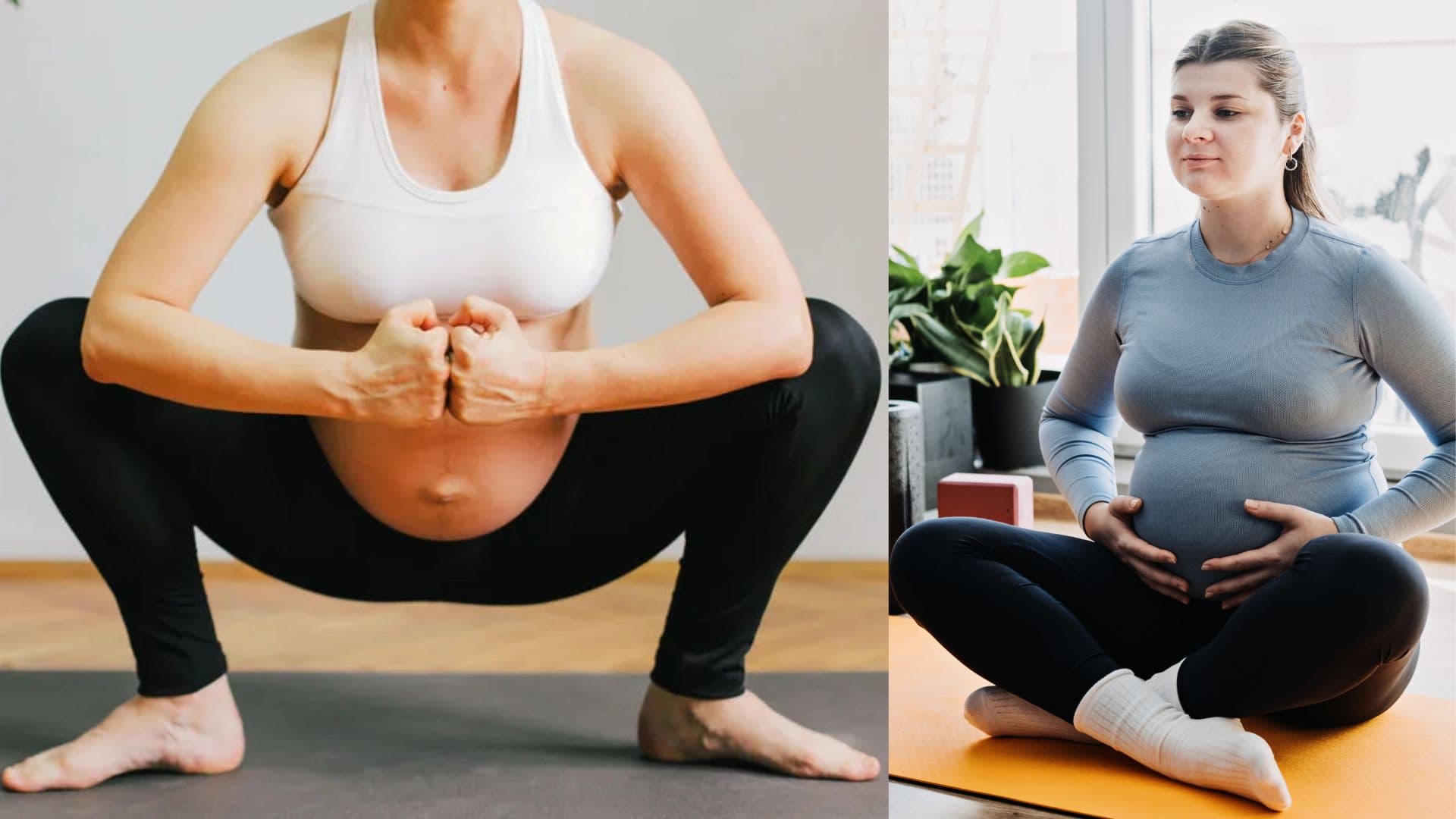
Learn safe Pelvic Floor Exercises Pregnancy techniques, benefits, and trimester-friendly tips with CalmNest Yoga to support pelvic strength, comfort, and birth preparation.
Pregnancy is a remarkable journey of transformation, and while much attention is given to the growing baby bump, there is a vital group of muscles that often goes overlooked until it demands attention. The pelvic floor is the unsung hero of your changing body. Understanding how to care for it through pelvic floor exercises pregnancy is not just about preparation for birth; it is a profound act of self-care that supports your body before, during, and after delivery. This guide from CalmNest Yoga will walk you through everything you need to know about building strength, awareness, and control to navigate your pregnancy with confidence.
What Are Pelvic Floor Exercises During Pregnancy?
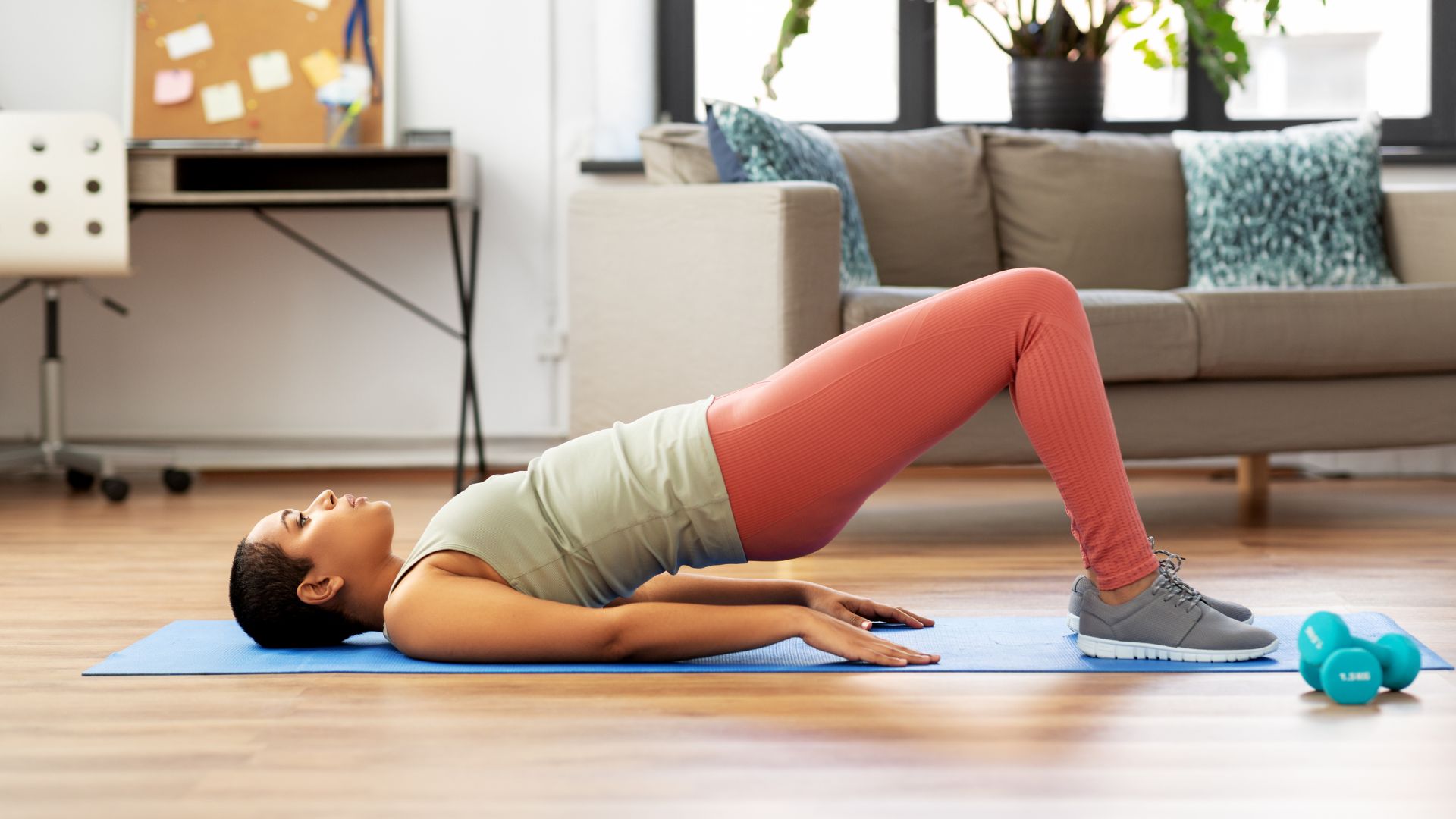
Pelvic floor exercises during pregnancy are gentle contractions and relaxations designed to strengthen and improve control of the muscles that support the bladder, bowel, and reproductive organs. To understand the exercise, you first need to understand the muscles themselves. Your pelvic floor is a layer of muscles that stretches like a supportive hammock or trampoline from your pubic bone at the front to your lower spine at the back . These muscles support your uterus (womb), bladder, and bowel.
During pregnancy, this "hammock" bears the increasing weight of your growing baby. Sometimes called Kegel exercises, named after Dr. Arnold Kegel who first described them in 1948, these exercises involve consciously squeezing and lifting these muscles . They help you maintain good bladder control, support your pelvic organs, and improve awareness of this often-neglected muscle group. By practicing them regularly, you are tuning into a part of your body that plays a critical role in your long-term well-being.
Why Are Pelvic Floor Exercises Important in Pregnancy?
Pregnancy and childbirth place extraordinary demands on the pelvic floor, making exercises crucial for maintaining function and preventing problems. As your uterus expands, the weight it carries increases pressure on the pelvic floor muscles . This extra strain, combined with hormonal changes that loosen ligaments in preparation for birth, can lead to a temporary loss of strength and control. This is why it is so common for women to experience small leaks of urine when they cough, sneeze, or laugh during pregnancy . Research suggests this affects an estimated 37 to 42% of pregnant women .
Pelvic floor strengthening during pregnancy is not just about addressing current symptoms; it's about preventative care and recovery. Performing these exercises builds muscle awareness and endurance, which can help you develop better control over contraction and relaxation. A strong pelvic floor is better equipped to handle the strain of pregnancy and birth, and it is far more likely to recover its tone afterwards, helping to reduce the risk of long-term problems like incontinence and pelvic organ prolapse . According to health guidelines, the NHS recommends doing pelvic floor exercises every day throughout your pregnancy and continuing after birth to reduce long-term risks . It is a foundational practice for your overall pelvic health.
Benefits of Pelvic Floor Exercises Pregnancy
The benefits of regular pelvic floor exercises are numerous, providing practical support for your body during pregnancy and beyond. These exercises are a low-impact, highly effective way to prepare for the journey ahead. Key benefits include:
- Supporting Pelvic Muscles: Strengthening the "hammock" of muscles that holds your pelvic organs in place against the increasing pressure of your growing baby .
- Improving Bladder Control: Reducing the frequency of accidental urine leakage (stress incontinence) that can occur when you cough, sneeze, or exercise .
- Reducing the Risk of Urinary Leakage: Regularly exercising the muscles makes them more responsive, so they can squeeze automatically to prevent leaks during sudden physical stress .
- Improving Pelvic Muscle Awareness: Learning to consciously feel, contract, and relax these muscles gives you a greater sense of control over your body.
- Supporting Postpartum Recovery: Maintaining pelvic floor strength throughout pregnancy can speed up your recovery after birth, helping you regain control and comfort more quickly .
- Developing Better Control of Contraction and Relaxation: Understanding how to both contract and relax the pelvic floor is essential for an effective pushing phase during labor and for overall muscle health.
How to Do Pelvic Floor Exercises Correctly
Learning the correct technique is more important than doing a high number of repetitions. Performing the exercise properly ensures you are targeting the right muscles and not using other parts of your body as a substitute.
- Find a Comfortable Position: Start by lying on your side or sitting upright in a supported chair. Choose a position where your thighs, buttocks, and stomach muscles feel relaxed .
- Identify the Pelvic Floor Muscles: To feel the right muscles, imagine you are trying to stop the flow of urine or prevent yourself from passing gas . You can also place two fingers inside your vagina and gently squeeze around them—you should feel a lifting sensation . Important: This is only to help you find the muscle. Do not routinely practice stopping your urine flow while you are actually peeing, as this can lead to incomplete bladder emptying and increase the risk of infection.
- Gently Squeeze and Lift: Squeeze the muscles around your vagina and back passage (anus) and lift them upwards and inwards . The feeling should be like you are drawing the muscles up into your body.
- Continue Breathing Normally: This is crucial. Do not hold your breath. Breathe naturally throughout the exercise, focusing on the gentle lift of the pelvic floor .
- Hold Briefly and Gradually Build Endurance: Hold the squeeze for a few seconds (aiming for 2-3 seconds to start) before fully relaxing . As your muscles get stronger, work your way up to holding for 10 seconds.
- Fully Relax the Muscles: The release is just as important as the contraction. Ensure you feel a clear, complete relaxation between each squeeze. This prevents the muscles from becoming too tight, which is also a problem .
Long Squeezes and Quick Squeezes
Your pelvic floor has two main types of functional demands: endurance and reflex. To train both, you should practice two different types of squeezes.
- Long Squeezes (Endurance): These build the stamina of the muscles to hold the weight of the baby and pelvic organs. You squeeze the muscles, lifting them up, and hold the contraction for as long as you can comfortably (up to 10 seconds) while breathing normally. After each long squeeze, relax for the same amount of time . Aim to repeat this up to 10 times in a row, or until the muscle feels tired.
- Short/Quick Squeezes (Reflex): These help your pelvic floor react quickly to sudden increases in pressure, like a sneeze, cough, or laugh. You squeeze and lift the muscles as hard as you can, hold for one second, and then release fully. Repeat this as many times as you can until the muscle feels tired .
- Complete Relaxation: Always end your exercise session with a full relaxation of the pelvic floor. Think of it like a lift that has dropped back down to the ground floor .
Pelvic Floor Exercises by Trimester
While it is safe to do pelvic floor exercises at any stage of pregnancy, you can tailor your focus to what your body needs in each trimester.
First Trimester: Awareness and Gentle Technique
The first trimester is often a time of fatigue, morning sickness, and absorbing a lot of new information . Focus on the basics: finding the correct muscles and establishing the habit of daily practice. If you are new to the exercises, start with a small number—perhaps one set of 10 squeezes a daybjust to get used to the sensation .
Second Trimester: Consistency and Posture
As you often feel more energetic in the second trimester, this is a great time to build consistency . Start focusing on your posture. Holding the right posture whether sitting upright or lying down with your back flat will make it easier to do the exercises well . Pay attention to your pelvic awareness as your bump grows. Aim for three sessions a day.
Third Trimester: Strength, Relaxation, and Birth Preparation
The focus now shifts to both strength AND relaxation. Practice holding long squeezes to build endurance and short squeezes for reflex control. Crucially, practice the release. A tense pelvic floor will not be able to stretch as effectively during the birth process . Relaxation exercises are vital for birth preparation. However, be sure to listen to your body; if it’s uncomfortable or you feel pain, stop. Always remember that individual medical advice may vary, so consult your healthcare provider if you have any concerns.
The Role of Breathing in Pelvic Floor Training
Breathing and pelvic floor function are deeply interconnected. During your exercises, you must keep breathing naturally . Holding your breath increases intra-abdominal pressure and puts more strain on the pelvic floor, which is counterproductive.
As you squeeze the muscles, you might find it helpful to breathe out gently . Conversely, aim to relax the pelvic floor as you breathe in. This creates a natural rhythm in your body. The most important lesson is to avoid excessive tension in your abdominal or buttock muscles, which is a common mistake. You are only working the deep pelvic floor.
Pelvic Floor Exercises and Normal Delivery
It is natural to wonder if these exercises can help you achieve a “normal” vaginal delivery. To answer this directly: pelvic floor exercises can support muscle strength, awareness, and control, but they cannot guarantee a vaginal delivery.
A well-conditioned pelvic floor can certainly make labour more manageable. Knowing how to relax these muscles, not just contract them, is especially important during the pushing phase . A strong yet flexible pelvic floor can contribute to a smoother birth experience . However, many factors determine the course of your labour and delivery. These exercises are a powerful tool to support your body, but they are not a promise of a specific outcome. Always focus on the health and wellness benefits they provide, rather than viewing them as a guarantee.
Common Mistakes to Avoid
To ensure you are exercising safely and effectively, be aware of these common pitfalls:
- Holding Your Breath: Breathing is essential; holding your breath creates more downward pressure.
- Squeezing Buttocks: The gluteal muscles should remain relaxed. You should not be clenching your bottom.
- Tightening Thighs: Your inner thighs and leg muscles should be relaxed.
- Overdoing Repetitions: More is not always better. Doing too many repetitions can fatigue and even damage the muscles. Stop when the muscle feels tired.
- Never Relaxing the Pelvic Floor: A chronically tense pelvic floor is just as dysfunctional as a weak one. The relaxation is a key part of the exercise.
- Performing Exercises with Pain: Exercise should not hurt. If you feel pain, stop and speak to a professional.
- Copying a Generic Routine Despite Complications: Do not blindly follow a routine without considering your own unique pregnancy history. Always check with your doctor or midwife if you have complications.
When to Stop and Seek Professional Guidance
While pelvic floor exercises are safe for most women, there are times when you need to stop and seek professional guidance. You should contact your doctor, midwife, or a qualified pelvic-health physiotherapist immediately if an exercise causes pain or if you have any concerns. Conditions like placenta previa or other pregnancy complications require specific medical advice . Do not attempt to self-diagnose. If you struggle to feel the muscles, or if you are experiencing persistent leakage, a specialist physiotherapist at your local hospital can provide a tailored assessment and plan .
How Prenatal Yoga Can Support Pelvic Floor Health
At CalmNest Yoga, we believe that a holistic approach to pregnancy is the most empowering one. Prenatal yoga offers a gentle yet powerful way to support your pelvic floor health by integrating body awareness, breath, and movement. In our online prenatal yoga classes, you can learn to:
- Combine gentle movement with breathing and relaxation.
- Develop posture awareness to support your changing center of gravity.
- Practice pelvic-floor-focused exercises with trimester-specific modifications.
- Manage stress and build a strong mind-body connection that serves you throughout labor and birth.
To complement your pelvic floor exercises, explore the benefits of our [online prenatal yoga classes].
Building a Safe Daily Pregnancy Exercise Routine
Consistency is key to pelvic floor health. It can be helpful to link your exercises with a regular activity, such as waiting for the kettle to boil or brushing your teeth . Start with just one set a day and gradually build up to three sessions . When practicing any pregnancy exercise, always prioritize:
- Comfort: If it doesn't feel right, don't do it.
- Hydration: Drink plenty of water to stay hydrated.
- Rest: Listen to your body and take breaks when you need them.
- Listening to Your Body: You are the expert on your own body. Trust what it is telling you.
It is important to remember that general physical-activity recommendations are individualized during pregnancy. The WHO recommends 150–300 minutes per week of moderate-intensity activity for women with uncomplicated pregnancies, alongside muscle-strengthening exercises , but this is a general guideline. Always follow the advice of your healthcare provider.
Conclusion
Building and maintaining a strong, healthy pelvic floor through pelvic floor exercises pregnancy is one of the most valuable gifts you can give your body during this transformative time. From supporting your organs and reducing the risk of urinary leakage to preparing for a smoother birth and a faster postpartum recovery, the benefits are clear . Remember, the journey is as much about learning to relax as it is about learning to contract. Listen to your body, breathe deeply, and be patient with yourself. For expert guidance on combining pelvic floor health with the holistic practice of yoga, consider joining CalmNest Yoga. To start your journey, you can speak with CalmNest Yoga today and discover how we can support you every step of the way.