

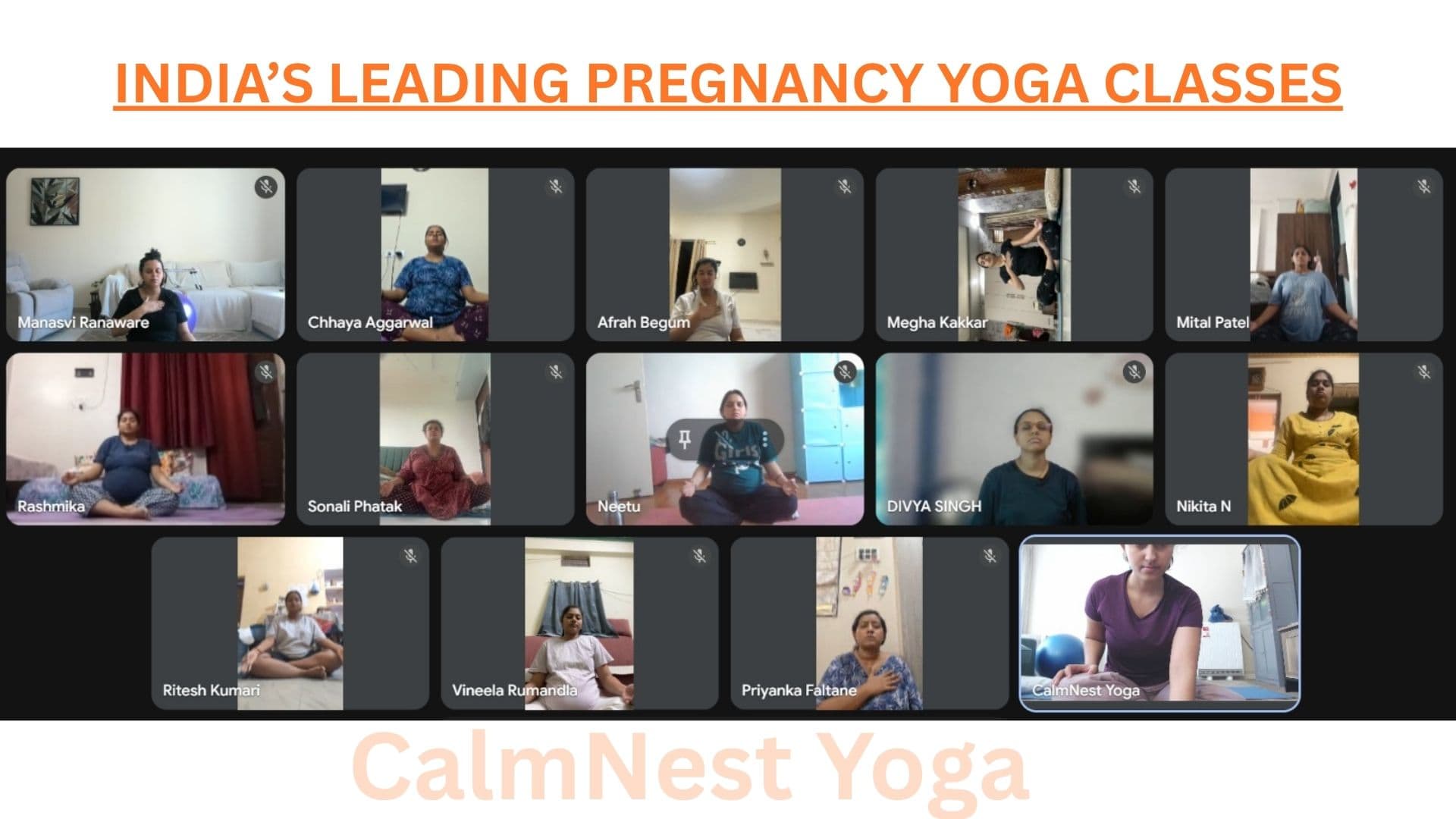
Best Pregnancy Yoga Classes in Mumbai with CalmNest Yoga. Explore safe, expert-guided prenatal yoga classes and discover prenatal yoga near me for a comfortable pregnancy journey.
Pregnancy is a transformative journey filled with excitement, anticipation, and significant physical and emotional changes. For expecting mothers in Mumbai, navigating this journey while managing a busy city life can be challenging. Prenatal yoga offers a gentle, effective way to stay active, reduce stress, and prepare for childbirth. If you've been searching for the best pregnancy yoga classes in Mumbai or wondering how to find "prenatal yoga near me," this comprehensive guide will help you make an informed decision.
What Is Prenatal Yoga?
Prenatal yoga is a specialized form of yoga designed specifically for pregnant women. Unlike regular yoga classes, prenatal yoga uses modified postures (asanas), breathing techniques (pranayama), and relaxation methods that accommodate the physical changes of pregnancy and prepare the body for labor and delivery.
How Is Prenatal Yoga Different from Regular Yoga?
Aspect | Regular Yoga | Prenatal Yoga |
|---|---|---|
Poses | Includes deep twists, strong backbends, and inversions | Avoids contraindicated poses; uses modified versions |
Intensity | Can be vigorous and physically demanding | Gentle, focus on comfort and safety |
Breathing | Various techniques including breath retention | Emphasizes slow, deep breathing for relaxation and labor |
Lying Position | May include lying flat on back (supine) | Avoids supine position after first trimester |
Core Work | Includes strong abdominal exercises | Gentle core engagement; avoids direct pressure on abdomen |
Focus | General fitness, flexibility, or spirituality | Pregnancy wellness, labor preparation, and maternal health |
According to the Cleveland Clinic, prenatal yoga is one of the safest forms of exercise during pregnancy when practiced with proper guidance. The practice combines physical postures, breathing techniques, and meditation to support overall maternal health.
Benefits of Prenatal Yoga During Pregnancy
Numerous authoritative organizations, including the American College of Obstetricians and Gynecologists (ACOG) , recommend physical activity during pregnancy to promote overall health. Prenatal yoga offers several evidence-based benefits:
Physical Benefits
- Maintains Fitness: Gentle movements help maintain muscle tone and joint mobility without straining the body.
- Reduces Discomfort: Regular stretching can alleviate common pregnancy discomforts like back pain, sciatica, and hip tension.
- Improves Circulation: Gentle movements promote healthy blood flow, reducing the risk of swelling and varicose veins.
- Strengthens Pelvic Floor: Specific exercises prepare the pelvic floor for labor and aid postpartum recovery.
- Improves Posture: Strengthening core and back muscles helps counteract the shift in center of gravity.
- Supports Digestion: Gentle twists and movements can help alleviate constipation and bloating.
Mental and Emotional Benefits
- Reduces Stress: The combination of movement and deep breathing helps calm the nervous system and reduce anxiety.
- Improves Sleep: Relaxation techniques can help improve sleep quality, which is often disrupted during pregnancy.
- Builds Body Awareness: Helps you tune into your body's signals and understand its changing needs.
- Prepares for Labor: Breathing techniques learned in class can be invaluable during labor and delivery.
- Creates Connection: Provides time to connect with your baby and your changing body.
Evidence-Based Support
The Mayo Clinic confirms that regular exercise during pregnancy can reduce backaches, constipation, bloating, and swelling. The NHS also recommends staying active during pregnancy to promote overall well-being. The CDC provides comprehensive guidelines on physical activity during pregnancy that can help you make informed decisions.
Important Note: While prenatal yoga can support a healthy pregnancy, it does not guarantee a normal delivery or prevent complications. Always consult your healthcare provider before starting any new exercise routine.
Why Choose Pregnancy Yoga Classes in Mumbai?
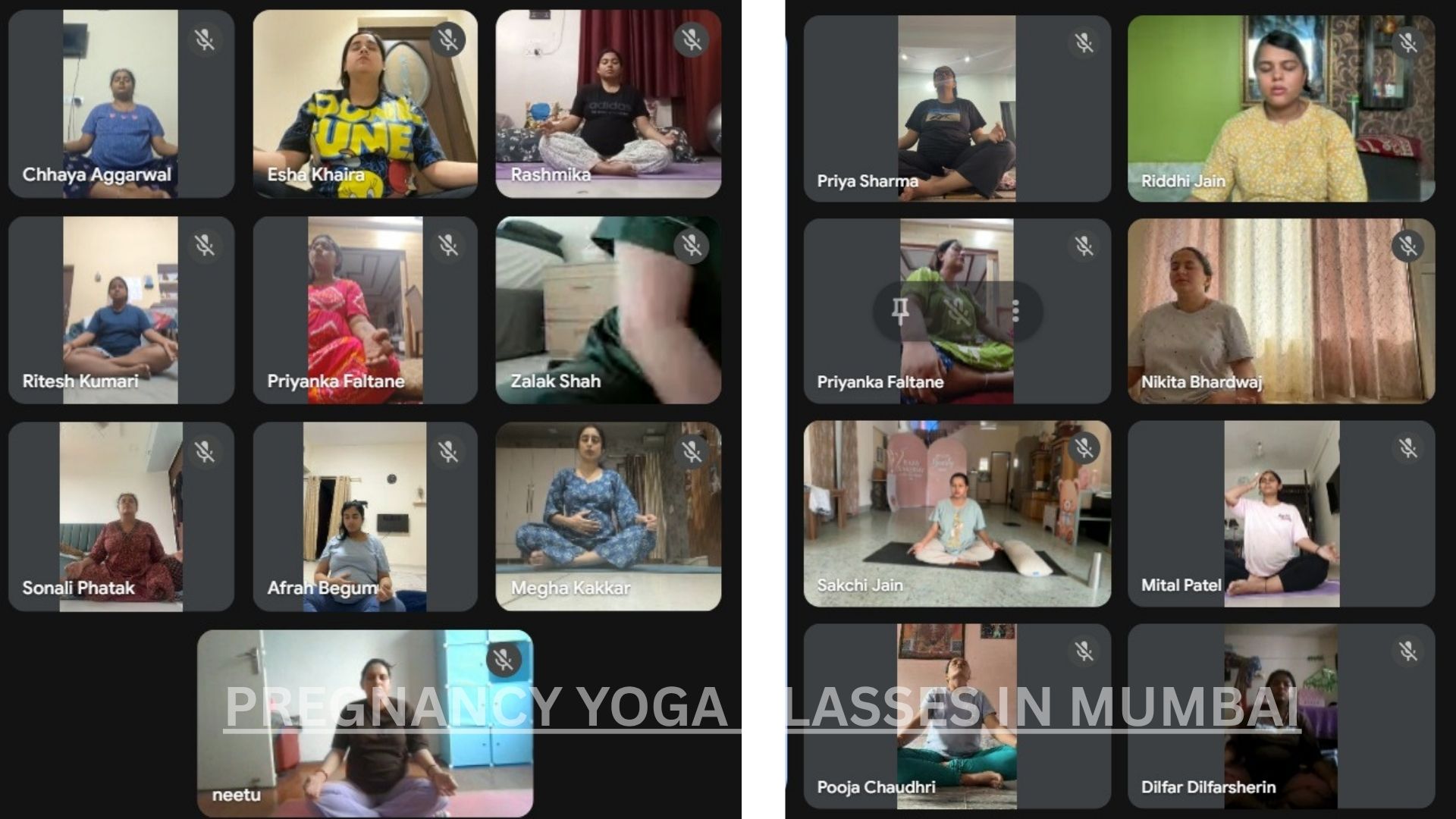
Mumbai's fast-paced lifestyle presents unique challenges for expecting mothers. From long commutes on crowded trains to high levels of environmental and work-related stress, the city can be demanding. Choosing structured pregnancy yoga classes in Mumbai offers several advantages:
1. Professional Guidance
Trained instructors understand the nuances of pregnancy and can modify poses based on your stage of pregnancy and any specific concerns. This expertise is crucial because what works for one woman may not work for another.
2. Structured Learning
A well-designed program follows a progressive curriculum that builds strength and flexibility gradually. This is more effective than following random online videos without proper guidance.
3. Community Support
Attending classes allows you to connect with other expecting mothers. Sharing experiences, concerns, and joys with women going through the same journey can be incredibly reassuring and reduce feelings of isolation.
4. Convenience
With yoga studios and classes available across Mumbai—from South Mumbai to Bandra, Andheri to Navi Mumbai—you can find a class that fits your location and schedule.
5. Flexibility
Many providers now offer both in-person and online prenatal yoga classes, making it accessible for women with travel limitations or those who prefer practicing at home.
How to Choose the Best Pregnancy Yoga Classes in Mumbai
Finding the best pregnancy yoga classes in Mumbai requires careful evaluation. Here is a practical checklist to help you make an informed choice:
1. Instructor Qualifications
- What to Look For: Specialized certification in prenatal yoga, not just a general yoga certification.
- Why It Matters: A qualified instructor understands the specific modifications needed for each trimester and knows which poses to avoid.
- Questions to Ask: What is your training in prenatal yoga? How many years have you been teaching expecting mothers?
2. Pregnancy-Specific Experience
- What to Look For: Experience working with women across all trimesters and with various pregnancy conditions.
- Why It Matters: An experienced instructor can better address individual needs and concerns.
- Questions to Ask: Have you worked with women who have conditions like gestational diabetes or sciatica?
3. Trimester-Based Modifications
- What to Look For: Separate classes or clear modifications for each trimester.
- Why It Matters: What works in the first trimester may not be safe in the third trimester.
- Questions to Ask: How do you adapt the class for different trimesters?
4. Beginner-Friendliness
- What to Look For: A welcoming environment that accommodates complete beginners.
- Why It Matters: Many women start yoga for the first time during pregnancy and need extra support.
- Questions to Ask: Do you offer modifications for beginners?
5. Class Size
- What to Look For: Small groups (ideally 6-10 students) for personalized attention.
- Why It Matters: Larger classes mean less individual attention, which can compromise safety.
- Questions to Ask: What is the maximum class size?
6. Safety Protocols
- What to Look For: Clear safety protocols, including emergency awareness and doctor consultation requirements.
- Why It Matters: Safety should be the top priority in any prenatal program.
- Questions to Ask: Do you require a doctor's approval? What is your emergency protocol?
7. Flexibility and Convenience
- What to Look For: Multiple time slots, online options, and flexible scheduling.
- Why It Matters: Pregnancy can be unpredictable, and flexibility is important.
- Questions to Ask: Do you offer online classes? Can I switch between online and in-person?
8. Trial Classes
- What to Look For: Option to attend a trial class before committing.
- Why It Matters: You need to assess if the instructor's style and class environment suit you.
- Questions to Ask: Do you offer a free or discounted trial class?
9. Reviews and Recommendations
- What to Look For: Positive reviews from other expecting mothers.
- Why It Matters: Real experiences from other women can provide valuable insights.
- Where to Check: Google reviews, social media, and word-of-mouth recommendations.
10. Postnatal Support
- What to Look For: Options for postnatal yoga or continued support after delivery.
- Why It Matters: The journey doesn't end with childbirth; postnatal recovery is equally important.
- Questions to Ask: Do you offer postnatal yoga classes?
What to Expect in a Prenatal Yoga Class
If you are new to prenatal yoga, understanding what happens in a typical class can help you feel more prepared and comfortable. A standard prenatal yoga class usually lasts 60-75 minutes and includes the following components:
Class Structure
Phase | Duration | Activities |
|---|---|---|
Warm-up | 10 minutes | Neck rolls, shoulder shrugs, gentle stretches, and breathing awareness |
Breath Awareness | 10 minutes | Learning Pranayama techniques like Ujjayi breathing and alternate nostril breathing |
Main Practice | 25-30 minutes | Modified asanas including Cat-Cow, Warrior II, Goddess squat, and gentle hip openers |
Mobility Work | 10 minutes | Stretches to relieve tension in lower back, hips, and shoulders |
Relaxation (Savasana) | 5-10 minutes | Side-lying relaxation with guided meditation and positive affirmations |
Closing | 5 minutes | Meditation, mindfulness exercises, and connection with baby |
Common Poses in Prenatal Yoga
- Cat-Cow (Marjaryasana-Bitilasana): Gentle spine mobilization
- Warrior II (Virabhadrasana II): Builds leg strength and improves balance
- Goddess Squat (Utkata Konasana): Strengthens pelvic floor and hips
- Butterfly Pose (Baddha Konasana): Opens hips and groin
- Side-Lying Relaxation: Comfortable resting position in later trimesters
- Chair Pose (Utkatasana): Strengthens legs and core (modified version)
Poses Generally Avoided in Prenatal Yoga
- Deep twists (especially closed twists)
- Strong backbends
- Inversions (unless very experienced)
- Lying flat on the back (after first trimester)
- Deep abdominal work
- Hot yoga (overheating is dangerous)
Is Prenatal Yoga Safe for Beginners?
Yes, absolutely. The best prenatal yoga classes are designed to be welcoming to beginners. Many healthy pregnancies can participate safely in appropriately modified prenatal yoga.
Who Can Practice?
- Women with uncomplicated pregnancies
- Those who have received clearance from their healthcare provider
- Women at any fitness level (from complete beginners to experienced yogis)
- Women in any trimester (with appropriate modifications)
Who Should Avoid or Consult First?
The American College of Obstetricians and Gynecologists (ACOG) recommends that women with certain conditions consult their healthcare provider before starting any exercise program. These may include:
- High-risk pregnancies
- Preeclampsia or pregnancy-induced hypertension
- Placenta previa or placental abruption
- Severe anemia
- Heart conditions
- Vaginal bleeding
- Preterm labor symptoms
- Cervical insufficiency
Safety First: Always consult your obstetrician or a qualified healthcare professional before starting prenatal yoga. The Mayo Clinic recommends discussing any exercise plans with your doctor, especially if you have underlying health conditions.
Warning Signs to Stop Practicing
- Vaginal bleeding
- Dizziness or lightheadedness
- Shortness of breath
- Chest pain
- Headache
- Muscle weakness
- Calf pain or swelling
- Decreased fetal movement
Prenatal Yoga by Trimester
Your body changes significantly throughout pregnancy. A high-quality prenatal class will adapt accordingly. Here's what to expect in each trimester:
First Trimester (Weeks 1-13)
Focus: Gentle movement, building a foundation, and listening to your body.
What to Expect:
- Fatigue and morning sickness are common, so the emphasis is on resting when needed.
- Establishing a safe breathing practice.
- Gentle stretches to alleviate nausea and fatigue.
- Avoiding overheating and deep twists.
Key Considerations:
- Many women experience extreme fatigue during this time.
- Hormonal changes can make joints more flexible, increasing injury risk.
- Focus on building a consistent, gentle practice.
- Avoid poses that require lying flat on the back for extended periods.
Suggested Poses:
- Cat-Cow
- Standing poses with support
- Gentle seated stretches
- Breathing exercises
Second Trimester (Weeks 14-27)
Focus: Building strength, mobility, and preparing for the growing belly.
What to Expect:
- Often considered the "golden period" of pregnancy.
- Classes focus on improving posture, balance, and relieving lower back strain.
- More dynamic movements and standing poses.
- Pelvic floor exercises become more prominent.
Key Considerations:
- The growing belly shifts the center of gravity, affecting balance.
- Hormonal changes cause joints to become more lax—avoid overstretching.
- Begin practicing side-lying positions for relaxation.
- Support the body with props like chairs, walls, and bolsters.
Suggested Poses:
- Warrior II
- Goddess squat
- Side-angle pose (modified)
- Pelvic floor exercises (Kegel exercises)
Third Trimester (Weeks 28-40)
Focus: Comfort, gentle mobility, and preparing for birth.
What to Expect:
- Practices include breathing techniques for labor.
- Pelvic floor engagement and deep relaxation.
- Focus on calming the nervous system.
- Building confidence for the birthing process.
Key Considerations:
- Breathlessness and fatigue are common due to the growing baby.
- Modified poses using props like chairs, walls, and bolsters.
- Preparation for labor through breathing and relaxation techniques.
- Focus on mental and emotional preparation.
- Avoid lying flat on the back completely.
Suggested Poses:
- Supported Squat
- Butterfly Pose (with support)
- Side-lying stretches
- Birth breathing exercises (Ujjayi breathing, alternate nostril breathing)
- Deep relaxation and visualization
Comparison of Prenatal Yoga Class Features
To help you choose the right class, here is an objective comparison of key features to look for:
Feature | What to Look For | Red Flags |
|---|---|---|
Instructor Certification | Specialized prenatal certification (e.g., RPYT) | General yoga certification only |
Class Size | Small groups (6-10 students) | Large classes (15+) |
Trimester Program | Separate programs or clear modifications | One-size-fits-all approach |
Beginner Support | Gentle introduction, modifications offered | Assumes prior yoga experience |
Safety Protocols | Doctor consultation required, emergency plan | No safety guidelines provided |
Online Options | Live interactive classes with expert instructors | Pre-recorded videos only |
Schedule Flexibility | Multiple time slots, flexible attendance | Fixed schedule, no make-up options |
Community Support | Peer support groups, social connections | No community engagement |
Trial Class | Free or discounted trial available | No trial option available |
Postnatal Support | Postnatal yoga or continued support | No postnatal offerings |
How to Find "Prenatal Yoga Near Me" in Mumbai
When you search for "prenatal yoga near me," you will find numerous options. Here's how to narrow down your choices effectively:
Step 1: Search Smartly
- Use terms like "prenatal yoga near me," "pregnancy yoga Mumbai," or "prenatal yoga classes in Mumbai."
- Check Google Maps for nearby studios.
- Use platforms like Justdial, Practo, or UrbanPro to find listings.
Step 2: Verify Credentials
- Instructor Certification: Look for instructors with specific prenatal yoga training (e.g., RPYT certification).
- Experience: How many years have they been teaching prenatal yoga?
- Specialization: Do they have experience with high-risk pregnancies or specific conditions?
Step 3: Read Reviews
- Check Google reviews, Facebook recommendations, and testimonials on the studio's website.
- Look for reviews from women who were at a similar stage of pregnancy.
- Pay attention to comments about safety, comfort, and instructor quality.
Step 4: Check Class Format
- Online vs. Offline: Which format suits your lifestyle and comfort level?
- Class Size: Smaller classes generally offer more personalized attention.
- Timings: Do the class timings align with your schedule?
Step 5: Attend a Trial Class
- Most reputable studios offer a trial class.
- Use this opportunity to assess the instructor's style, the class environment, and whether it meets your needs.
- Observe how the instructor handles modifications for different trimesters.
Step 6: Ask Questions
- What is your approach to safety?
- How do you modify poses for different trimesters?
- Do you require a doctor's approval?
- What is your emergency protocol?
- Do you offer postnatal classes?
Step 7: Consider Location and Accessibility
- Is the studio easily accessible from your home or workplace?
- Is there parking available or is it near public transport?
- Consider the travel time—will it be manageable as your pregnancy progresses?
Online Prenatal Yoga vs In-Person Classes
Both options offer unique benefits, and the best choice depends on your personal circumstances.
Online Prenatal Yoga Classes
Advantages:
- Convenience: Practice from home without commuting.
- Flexibility: Choose from multiple time slots.
- Comfort: Practice in your own space with familiar surroundings.
- Safety: Ideal for women with high-risk pregnancies who need to minimize travel.
- Consistency: Easier to maintain regular practice even on tired days.
Considerations:
- Requires self-discipline and a quiet space.
- Less hands-on adjustments from the instructor.
- May lack the community feel of group classes.
In-Person Prenatal Yoga Classes
Advantages:
- Hands-On Adjustments: Instructors can physically guide you into correct alignment.
- Community Support: Connect with other expecting mothers in person.
- Structured Environment: The dedicated space helps you focus on your practice.
- Social Connection: Build friendships with other women on the same journey.
Considerations:
- Requires travel, which can be exhausting during pregnancy.
- Fixed schedules may not always be convenient.
- Limited availability depending on your location.
Comparison Table: Online vs In-Person
Factor | Online Classes | In-Person Classes |
|---|---|---|
Convenience | High | Moderate |
Personal Attention | Moderate to High | High |
Hands-On Adjustments | Not available | Available |
Community Building | Moderate | High |
Flexibility | High | Limited |
Cost | More affordable | Higher |
Safety | No travel risks | Travel required |
Consistency | Easy to maintain | Dependent on schedule |
Pregnancy is a transformative journey that deserves care, attention, and the right support. Choosing to practice prenatal yoga is a beautiful way to honor your body, connect with your baby, and prepare for the incredible experience of childbirth. Whether you are a first-time mother or adding to your family, the best pregnancy yoga classes in Mumbai can provide a safe, nurturing environment for this special time.
As you explore your options, remember that the right class is one that makes you feel comfortable, supported, and safe. Look for qualified instructors who understand the nuances of pregnancy, small class sizes that allow for personalized attention, and programs that adapt to your changing body across all three trimesters.
Every pregnancy is unique, and what works for one woman may not work for another. Trust your instincts, listen to your body, and don't hesitate to ask questions. Whether you choose online classes for convenience or in-person sessions for community connection, the most important thing is that you feel good about your choice.
For expecting mothers seeking expert guidance, CalmNest Yoga offers comprehensive prenatal yoga programs with certified instructors who prioritize safety and individual attention. Their trimester-specific approach ensures that every practice is appropriate for your stage of pregnancy.
To learn more about their offerings, explore their prenatal yoga classes or visit their website at CalmNest Yoga. You can also read helpful guides on topics like Top Rated Pregnancy Yoga Classes, Best Pregnancy Yoga Classes in Bangalore, and Online Prenatal Yoga Classes for Beginners in India.
Whatever path you choose, remember that you are doing something wonderful for yourself and your baby. This journey is about nurturing your body, calming your mind, and building the strength and confidence you need for motherhood. Take it one breath at a time, and enjoy every moment of this beautiful chapter in your life.