

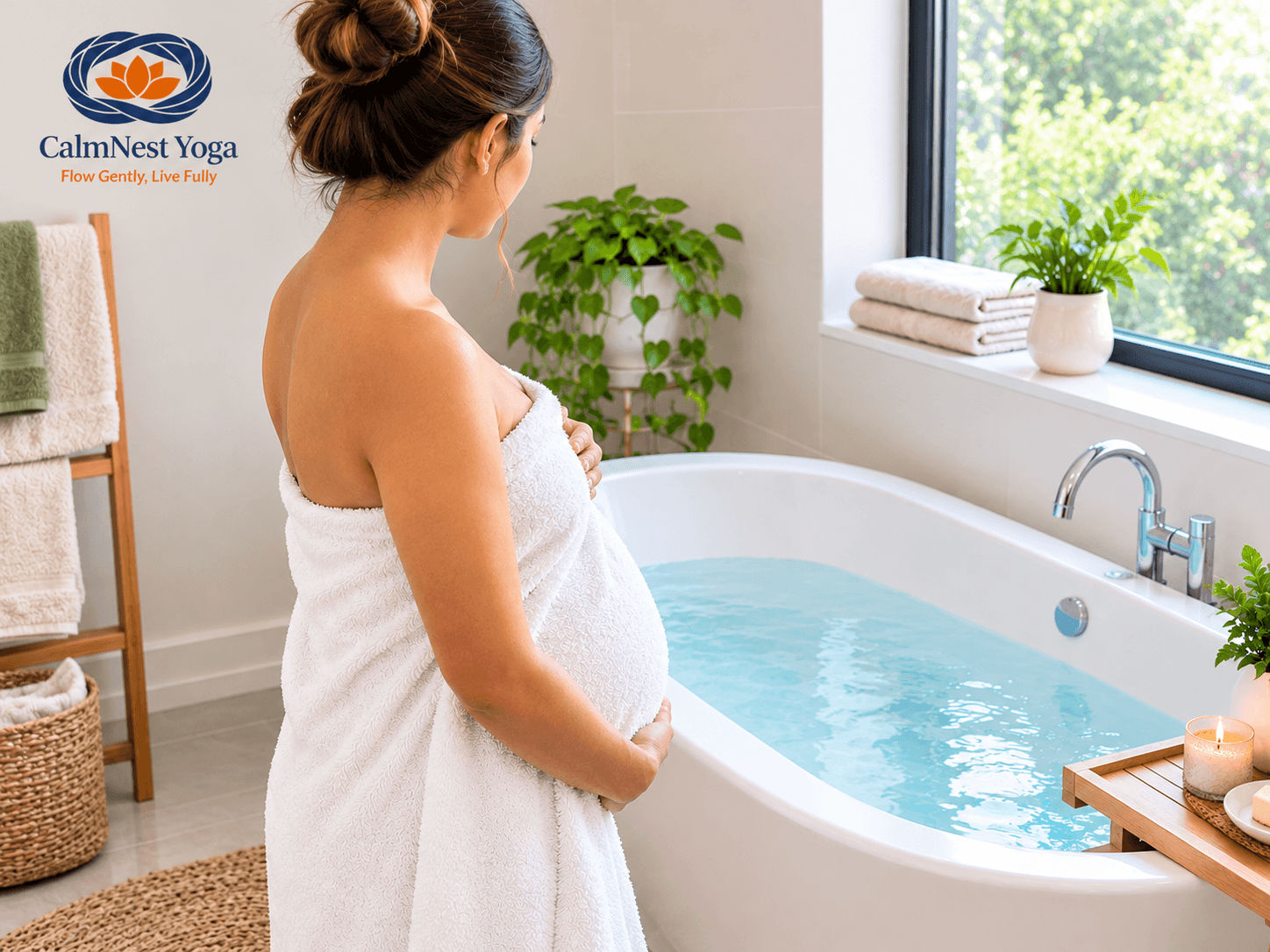
Is it ok to take baths during pregnancy? Learn about safe bath temperatures, hot tubs, first-trimester risks, and simple tips to bathe safely.
Pregnancy can bring backaches, tired muscles, and restless evenings, making a warm bath sound especially relaxing. But is it ok to take baths during pregnancy? In most uncomplicated pregnancies, a comfortably warm bath is generally safe. The important thing is to avoid water that is hot enough to make your body overheat.
Understanding the difference between a regular bath and a hot tub can help you relax while making informed choices for your health and your baby's development.
Is It OK to Take Baths During Pregnancy?
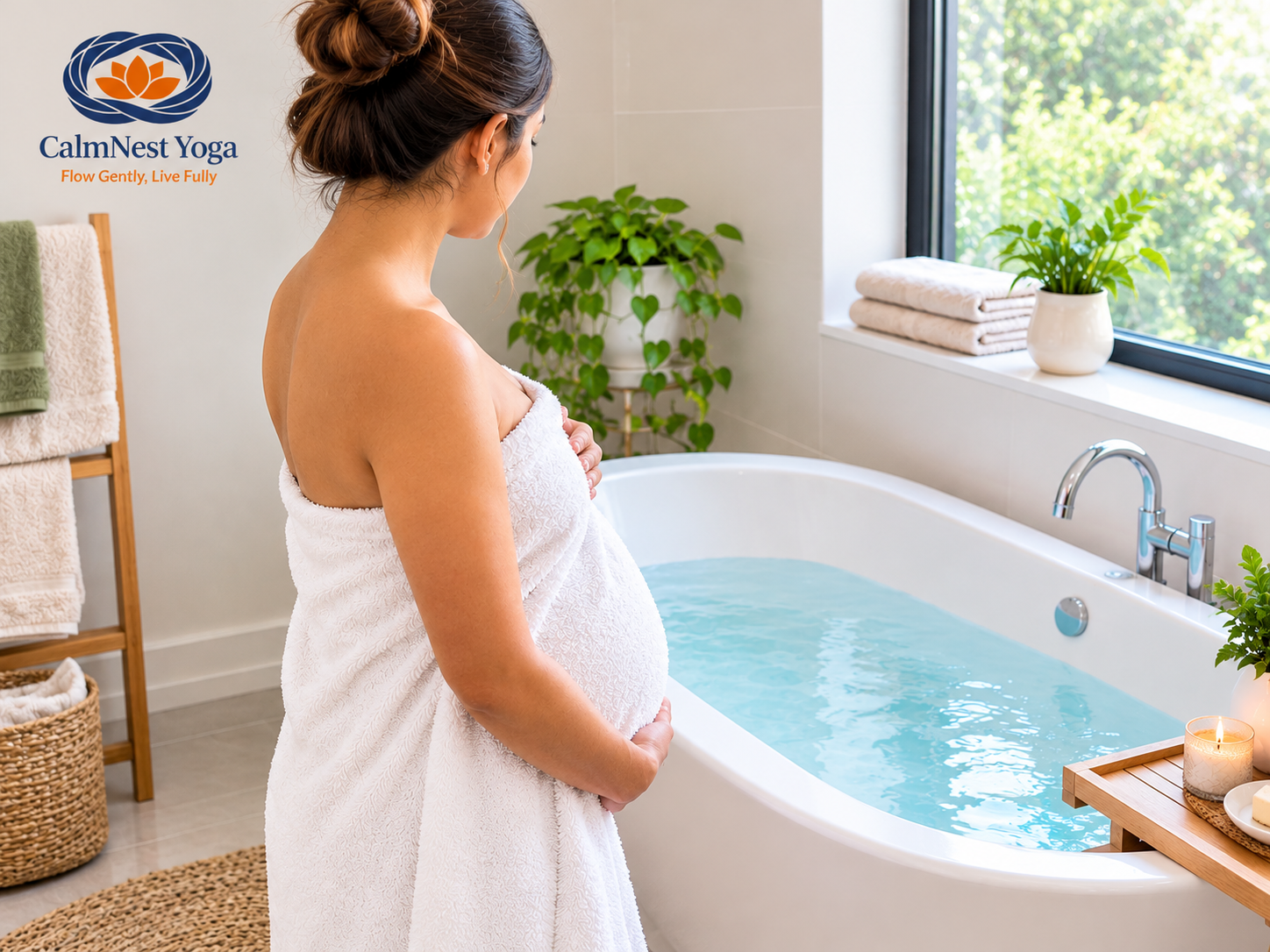
Yes, most pregnant women can enjoy a warm bath. Ordinary baths do not pose the same overheating concerns as very hot baths, hot tubs, or saunas.
Pregnancy changes how your body regulates temperature and circulation. Excessive heat may raise your core body temperature, cause dehydration, and make you feel dizzy or faint. Significant overheating is a particular concern during early pregnancy.
Choose comfortably warm water rather than very hot water. If you feel unusually hot, sweaty, weak, or light-headed, get out carefully and cool down.
What Is the Safest Bath Temperature During Pregnancy?
There is no single universally established bath-water temperature that guarantees safety for every pregnant woman. A practical approach is to use comfortably warm water that does not cause overheating.
Follow these precautions:
- Test the water before getting in; it should feel pleasantly warm, not hot.
- Avoid adding very hot water while you are immersed.
- Keep the bathroom comfortably ventilated.
- Leave the bath if you begin sweating excessively, feel flushed, or become dizzy.
- Drink water if needed, particularly in hot weather.
Do not rely only on how the water feels on your skin. If you are uncertain about temperature limits because of your pregnancy or medical history, ask your healthcare professional.
Warm Baths vs. Hot Tubs During Pregnancy
A regular bath and a hot tub are not the same. Hot tubs are often maintained at high temperatures and may keep exposing your body to heat. Saunas and steam rooms also create overheating concerns.
Bathing option | Pregnancy safety |
|---|---|
Comfortably warm bath | Generally safe for most uncomplicated pregnancies |
Very hot bath | Avoid because of overheating risk |
Hot tub or jacuzzi | Best avoided during pregnancy |
Sauna or steam room | Best avoided because of overheating risk |
Warm shower | Generally a practical alternative |
The American College of Obstetricians and Gynecologists advises avoiding hot tubs and saunas, particularly in early pregnancy, when increased core body temperature may be harmful. Read ACOG's guidance on saunas and hot tubs.
Recommended Bath Water Temperature During Pregnancy
Keeping bath water comfortably warm rather than hot is an important precaution during pregnancy. Aim for a temperature close to your normal body temperature, around 98°F–100°F (36.5°C–37.5°C). Since water can feel different depending on the person, avoid relying on touch alone. A bath thermometer can help you check the temperature before getting in.
How Long Should You Stay in the Bath?
A short, relaxing bath of around 10–15 minutes may help you unwind without spending too long in warm water. Pay attention to how your body feels throughout the bath. If you become dizzy, unusually warm, flushed, weak, or uncomfortable, get out carefully, move to a cooler area, and drink some water. Seek medical advice if symptoms persist or you feel unwell.
Safety reminder: Avoid hot tubs and very hot baths during pregnancy because overheating can raise your body temperature. If you have pregnancy complications or are unsure what is safe for you, ask your healthcare professional for individual guidance.
Can a Hot Bath Affect Your Baby?
The concern is not ordinary bathing itself; it is excessive elevation of your body's core temperature.
Research has associated significant overheating during early pregnancy with an increased risk of certain developmental problems. However, this does not mean that every warm bath is dangerous or that taking one warm bath automatically harms your baby.
To reduce risk, avoid very hot water and activities that make you overheat. If you have already taken a hot bath, do not panic. Move to a cooler environment, drink water if you can, and contact your healthcare professional if you experienced significant overheating, fainting, or persistent symptoms.
How to Take a Bath Safely During Pregnancy
A few small changes can make bathing more comfortable as your pregnancy progresses.
1. Keep the water comfortably warm. Avoid temperatures that make you feel overheated.
2. Take care when entering and leaving. Pregnancy can affect balance, and wet surfaces are slippery. Use a non-slip bath mat and ask for help if needed.
3. Avoid prolonged exposure to heat. Get out if you feel hot, weak, sweaty, or uncomfortable rather than trying to finish a set amount of time.
4. Stand up slowly. Changes in position can contribute to dizziness. Sit for a moment before getting out if necessary.
5. Use gentle bath products. Choose products that do not irritate your skin, especially if pregnancy has made it more sensitive.
6. Keep your bathroom safe. Ensure adequate ventilation, keep essential items within reach, and avoid clutter around the tub.
7. Follow individual medical advice. If you have a high-risk pregnancy, a history of fainting, bleeding, or other complications, ask your obstetrician whether you need additional precautions.
Are Baths Safe During Every Trimester?
Warm baths are generally acceptable throughout an uncomplicated pregnancy, provided you avoid overheating. The need for caution is especially important during the first trimester because significant increases in core body temperature may affect early development.
In later pregnancy, a growing bump can make getting in and out of a bathtub more difficult. Consider a warm shower or a bath with appropriate support if mobility becomes uncomfortable.
If you experience vaginal bleeding, fluid leakage, severe pain, fainting, or other concerning symptoms, seek medical advice instead of trying to manage them with a bath.
Can a Warm Bath Help You Relax During Pregnancy?
A comfortably warm bath may help you unwind and temporarily ease the feeling of tight or tired muscles. It can be part of a calming bedtime routine, although it does not treat pregnancy complications or replace medical care.
You can also explore gentle relaxation techniques alongside your usual care. CalmNest Yoga offers online prenatal yoga classes designed around pregnancy-specific movement and relaxation. Ask your healthcare professional whether prenatal exercise is appropriate for you.
For additional information on managing stress during pregnancy, read our guide to pregnancy yoga for anxiety.
If you would like to learn more about the available classes and whether they suit your needs, contact CalmNest Yoga.
Final Thoughts
So, is it ok to take baths during pregnancy? For most women with uncomplicated pregnancies, a comfortably warm bath is a reasonable way to relax. Avoid very hot baths, hot tubs, saunas, and other situations that could raise your core body temperature. Take care when entering and leaving the tub, and stop if you feel unwell.
When in doubt, ask your obstetrician for advice tailored to your pregnancy.