

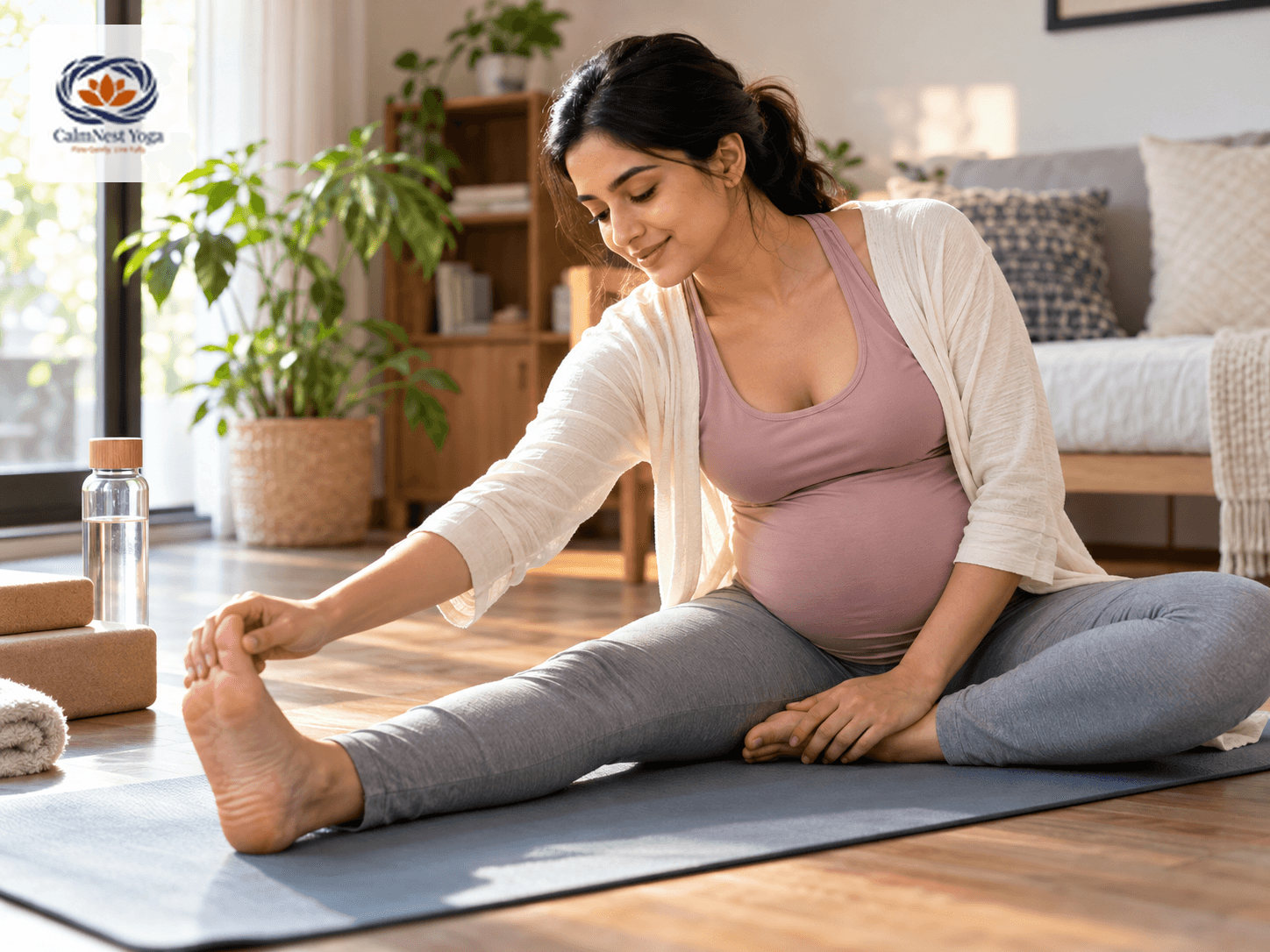
Discover how to prevent leg cramps while pregnant with gentle calf stretches, hydration, balanced nutrition, and safe movement. Learn about magnesium, nighttime relief, and warning signs that need medical attention.
Leg cramps can cause sudden, painful muscle tightening during pregnancy, especially at night. If you are wondering how to prevent leg cramps while pregnant, simple habits such as gentle calf stretching, regular hydration, comfortable movement, and balanced nutrition may help reduce their frequency.
Although leg cramps are common during pregnancy, they cannot always be prevented. This guide explains practical ways to manage them, the role of magnesium, and when to seek medical advice.
Why Do Leg Cramps Happen During Pregnancy?
Pregnancy-related leg cramps often affect the calf muscles and feet, particularly during the second and third trimesters. They may occur while resting or sleeping and can leave the affected muscle sore afterward.
Possible contributing factors include changes in circulation, pressure on muscles and nerves, physical strain, and dehydration. However, the exact cause is not always clear.
Understanding these discomforts can help you choose sensible prevention strategies without relying on unproven remedies.
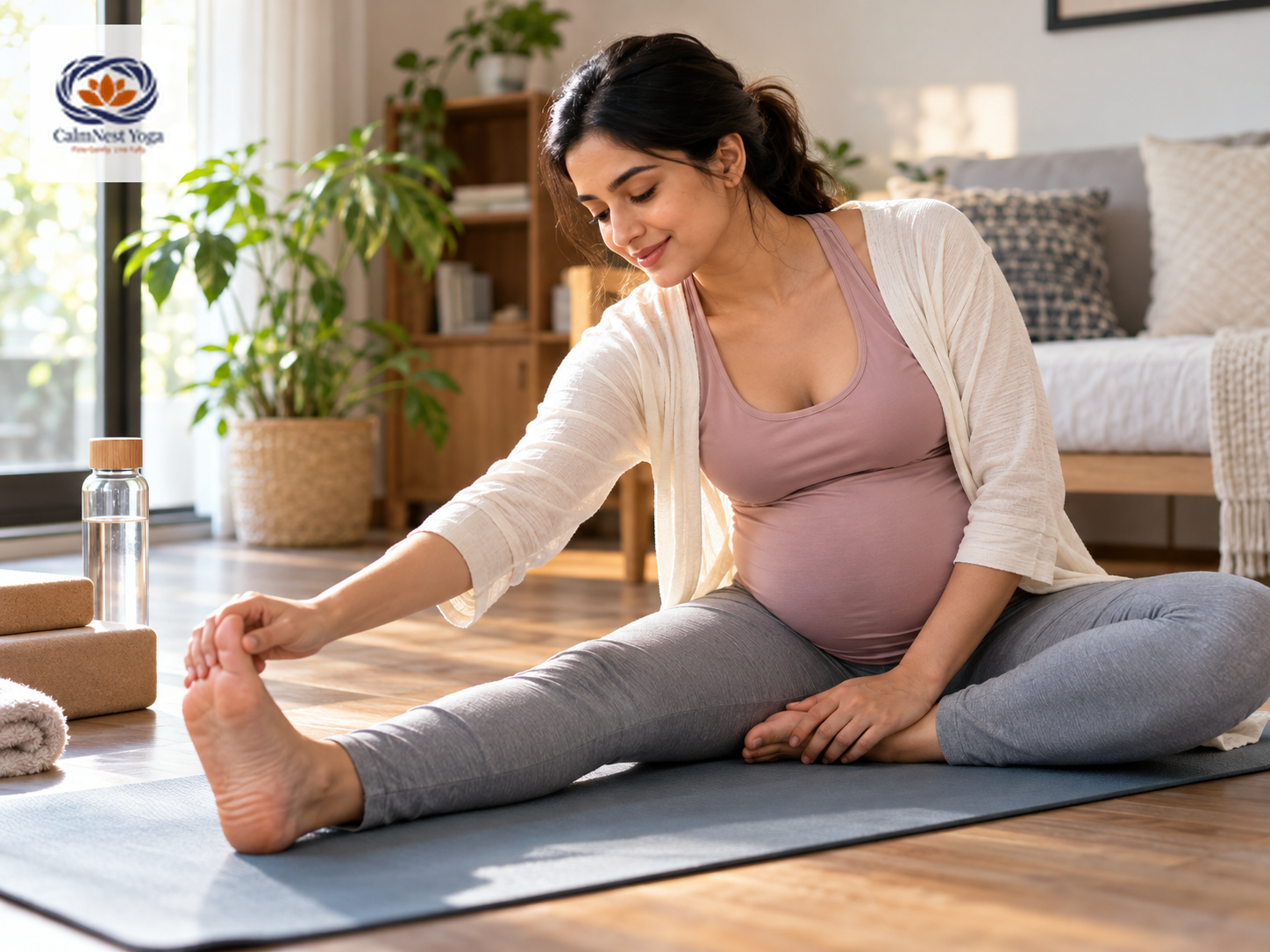
How to Prevent Leg Cramps While Pregnant
1. Stretch Your Calf Muscles Before Bed
Gentle calf stretching is one of the most practical ways to try to reduce nighttime leg cramps. Regular stretching may help, although it does not guarantee prevention.
Try this simple wall-supported stretch:
- Stand facing a wall and place both hands against it.
- Step one foot backward, keeping that heel on the floor.
- Gently bend your front knee until you feel a mild stretch in the back calf.
- Hold briefly while breathing normally, then switch legs.
- Stop if you experience pain, dizziness, or discomfort.
Keep the movement controlled and avoid bouncing. If balance becomes difficult as your pregnancy progresses, use a stable support and ask your healthcare professional whether this stretch is suitable for you.
2. Stay Hydrated Throughout the Day
Not drinking enough fluids can contribute to muscle cramps. Drinking water regularly throughout the day is a sensible habit during pregnancy.
- Keep water accessible at home and work.
- Drink more when the weather is hot or you are physically active, following your healthcare provider's advice.
- Follow any prescribed fluid restrictions if you have a medical condition.
Hydration may help, but it cannot prevent every pregnancy-related cramp. You do not need to take electrolyte drinks routinely unless there is a specific reason to do so.
3. Include Magnesium-Rich Foods in Your Diet
Magnesium supports normal muscle and nerve function. You can obtain it from a balanced diet that includes foods such as:
- Spinach and other leafy green vegetables
- Almonds, cashews and pumpkin seeds
- Beans, lentils and chickpeas
- Whole grains, including oats and brown rice
- Other nutritious foods appropriate for your pregnancy diet
Adequate magnesium intake supports general health, but it does not mean every leg cramp is caused by magnesium deficiency.
Should you take magnesium supplements? Research on magnesium supplementation for pregnancy-related leg cramps is mixed. Consult your obstetrician before starting a supplement or increasing your dose, especially if you already take prenatal vitamins or other medicines.
4. Keep Your Legs Moving Gently
Staying comfortably active may help reduce muscle stiffness and support mobility during pregnancy.
Consider these gentle movements, provided your healthcare professional has cleared you for exercise:
- Walk at a comfortable pace.
- Rotate each ankle slowly in both directions.
- Flex your feet upward and relax them again.
- Take movement breaks if you have been sitting for a long time.
Avoid suddenly increasing exercise intensity. Pregnancy changes your balance and flexibility, so use a chair or wall for support when needed.
For more movement ideas, explore these gentle pregnancy stretches. Choose movements appropriate for your trimester and individual health needs.
5. Wear Comfortable, Supportive Footwear
Shoes that fit well and provide stable support can make everyday movement more comfortable.
Choose footwear that does not pinch your toes or leave your feet feeling strained. If you spend long periods standing, take comfortable breaks and change positions when possible.
Avoid assuming that tight footwear or poor circulation is the cause of every cramp. Repeated or severe symptoms deserve individual assessment.
6. Develop a Relaxing Bedtime Routine
Nighttime cramps can interrupt sleep and make the following day more tiring. A gentle routine may help you feel more comfortable before bed.
You could try:
- A few minutes of gentle calf and ankle movements.
- A comfortably warm bath or shower.
- Light massage of the affected muscle when it is not swollen or unusually painful.
- Comfortable side-sleeping with pillows for support.
Avoid forceful stretching. Do not massage a leg that has sudden, unexplained swelling, redness, warmth or persistent pain; these symptoms require urgent medical assessment.
7. Know What to Do When a Cramp Starts
If a typical calf cramp occurs, try to relax and gently lengthen the affected muscle.
- Straighten your knee if comfortable.
- Bring your toes gently toward your shin rather than pointing them away.
- Massage the muscle lightly if there are no warning signs.
- Once the pain eases, move slowly and rest in a comfortable position.
Do not force the foot into position or continue if the pain worsens. If cramps keep returning, disturb your sleep, or become severe, contact your healthcare professional.
When Are Leg Cramps During Pregnancy a Warning Sign?
Ordinary muscle cramps usually ease within a short time. However, not every painful leg symptom during pregnancy is a simple cramp.
Seek urgent medical assessment if one leg develops new or unusual swelling, redness, warmth, or persistent calf pain. These can be signs of a blood clot, which requires prompt evaluation.
Contact your maternity care team if cramps are frequent, severe, accompanied by numbness or swelling, or not improving with simple measures. Seek emergency care for sudden breathlessness, chest pain, or coughing up blood.
Do not attempt to treat possible blood-clot symptoms with stretching or massage.
How CalmNest Yoga Can Support Gentle Pregnancy Movement
Gentle, appropriately modified movement can be part of a comfortable pregnancy routine. However, prenatal yoga is not a guaranteed treatment for leg cramps, and certain movements may not be suitable for every pregnancy.
Explore online prenatal yoga classes from CalmNest Yoga to learn more about guided pregnancy movement and relaxation. Discuss exercise suitability with your obstetrician before beginning or changing your routine.
If you have questions about available sessions or need more information, you can contact CalmNest Yoga. For other pregnancy wellness resources, visit the CalmNest Yoga website.
Final Thoughts
To help prevent leg cramps while pregnant, try gentle calf stretches, regular hydration, comfortable movement, supportive footwear, and balanced nutrition. Magnesium supplements may help some people, but the evidence is uncertain, so seek medical advice before taking them.
Most importantly, do not dismiss persistent calf pain or one-sided swelling as an ordinary pregnancy cramp. The right response depends on your symptoms and individual medical history.