

Explore our postnatal offerings at CalmNest Yoga designed to support your recovery and long-term wellbeing.
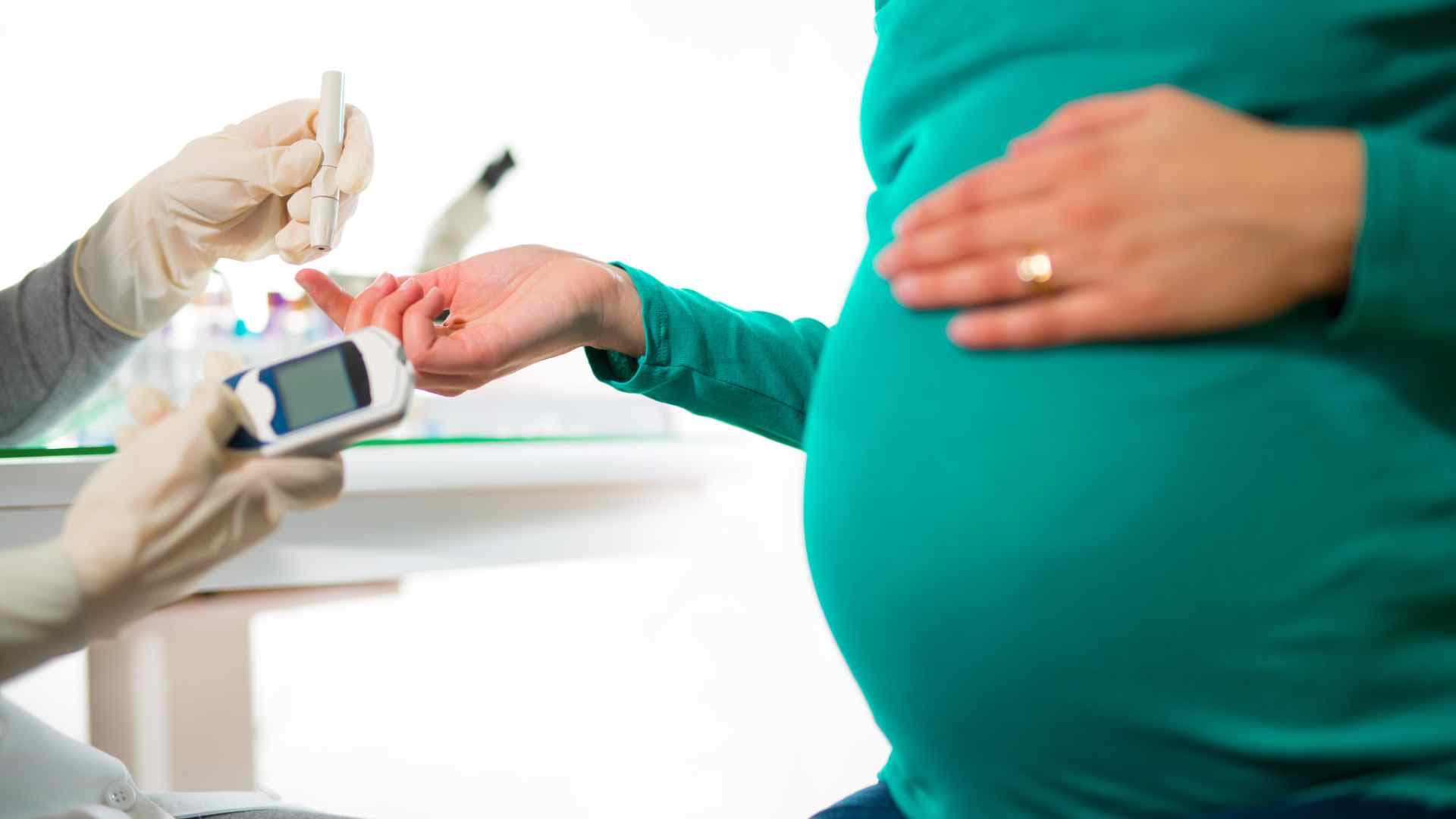
A gestational diabetes diagnosis can feel like the rug has been pulled from under you. One routine blood test, and suddenly your pregnancy involves monitoring devices, carbohydrate counting, insulin injections, additional scans, and the weight of knowing your baby is at risk. It is a lot to carry and most of what is written about it online is either so clinical it feels dehumanizing or so vague it is useless.
We are going to be different. This guide is written for real women many of whom attend our CalmNest Yoga classes in their third trimester, flustered glucose monitor in hand, wondering whether yoga is even allowed anymore. Spoiler: not only is it allowed, it is one of the most powerful tools available to you.
What Is Gestational Diabetes and Why Does It Happen?
Gestational diabetes mellitus (GDM) occurs when the hormones produced by the placenta block the normal action of insulin, causing blood sugar levels to rise above safe thresholds. It is not the same as Type 1 or Type 2 diabetes, and in most cases it resolves completely after delivery.
According to the International Diabetes Federation, GDM affects between 9 and 25% of pregnancies depending on the population studied, with South Asian women at particularly high risk. In India, estimates suggest that up to 1 in 5 pregnant women has some degree of gestational glucose intolerance.
Why it matters: If untreated or poorly managed, GDM increases the risk of macrosomia (large baby), birth injuries, preterm birth, neonatal hypoglycaemia, and a significantly elevated lifetime risk of Type 2 diabetes for both mother and child. This is why management matters and why every tool in the management toolkit counts.
How Yoga Affects Blood Sugar: The Science
The connection between yoga and blood glucose regulation is one of the best-researched areas in modern yoga science. Multiple clinical trials and systematic reviews have demonstrated the following mechanisms:
1. Muscle Activity and Glucose Uptake
Skeletal muscle is the primary site of glucose disposal in the body. When muscles contract during yoga poses, they activate GLUT-4 transporters proteins that shuttle glucose from the bloodstream into muscle cells independently of insulin. This is significant because it means yoga can lower blood sugar through a pathway that bypasses insulin resistance entirely.
2. Stress Hormone Reduction
Cortisol is directly gluconeogenic it signals the liver to release glucose into the bloodstream. Chronic stress (extremely common in high-risk pregnancy) therefore chronically elevates blood sugar. Yoga's well-documented ability to reduce cortisol through breathing and parasympathetic activation makes it directly blood-sugar-lowering.
3. Improved Insulin Sensitivity
A 2022 randomised controlled trial published in the Journal of Maternal-Fetal and Neonatal Medicine found that women with GDM who practiced prenatal yoga for 12 weeks showed significantly improved fasting blood glucose and insulin sensitivity compared to a control group. The yoga group also had lower rates of macrosomia.
4. Weight Management
Excessive gestational weight gain worsens insulin resistance. Gentle yoga, combined with mindful eating practices encouraged by the yoga philosophy, supports healthy weight gain without the risks of high-intensity exercise.
The Best Yoga Poses for Gestational Diabetes
These poses are chosen specifically for their ability to stimulate glucose-utilizing muscles, reduce stress hormones, and support a safe, comfortable practice in pregnancy.
Standing Poses That Activate Large Muscle Groups
- Virabhadrasana II (Warrior II) activates the large quadriceps and gluteal muscles, maximising glucose uptake; keep the stance shorter than usual in pregnancy
- Utthita Trikonasana (Triangle Pose) standing lateral stretch that engages core and leg muscles while improving digestion
- Tadasana with chair support isometric leg activation even in a gentle standing posture
Seated and Supported Poses for Daily Practice
- Baddha Konasana (Butterfly Pose) opens the hips and stimulates the reproductive and digestive organs; excellent for insulin regulation
- Janu Sirsasana (Head-to-Knee Pose, modified) gentle forward fold that stimulates the liver and pancreas through mild compression
- Seated Spinal Twist stimulates digestive organs and improves cellular metabolism
Breathing Practices That Directly Lower Blood Sugar
- Bhramari Pranayama (Humming Bee Breath) shown in research to reduce blood pressure and stress hormones; also beneficial for gestational hypertension which often accompanies GDM
- Nadi Shodhana (Alternate Nostril Breathing) balances the autonomic nervous system, reducing sympathetic (stress) dominance
- Extended exhale breathing (4-count in, 8-count out) directly activates the vagus nerve and parasympathetic response
A Safe 20-Minute Daily Yoga Routine for Gestational Diabetes
This routine can be done at home, ideally 30 to 60 minutes after a meal to help manage post-meal blood sugar spikes. Stop if you feel breathless, dizzy, or experience any pain.
- Seated breathing warm-up 5 minutes of Nadi Shodhana
- Cat-Cow stretches 10 cycles, moving with the breath
- Standing Warrior II (chair supported if needed) 5 breaths each side
- Seated Butterfly with forward fold 8 to 10 breaths
- Supported Bridge Pose 5 breaths
- Bhramari Pranayama 10 rounds
- Supported Savasana with affirmations 5 minutes
Combine this routine with our pregnancy affirmations for confidence and calm during your Savasana for a practice that works on both blood sugar and mental wellbeing simultaneously.
What to Eat Alongside Your Yoga Practice: GDM Nutrition Basics
Yoga is most effective for blood sugar management when combined with a GDM-appropriate diet. The principles are straightforward even if the execution takes some adjustment:
- Prioritize low glycemic index (GI) carbohydrates: steel-cut oats, brown rice, lentils, chickpeas, whole grain roti over white rice or refined flour
- Pair every carbohydrate serving with protein and fat to slow glucose absorption
- Eat smaller, more frequent meals 3 main meals and 2 to 3 snacks rather than large meals
- Avoid sugary drinks, fruit juices, and processed foods that spike blood sugar rapidly
- Traditional Indian foods like dal, sabzi, raita, and curd rice can all be excellent GDM-friendly meals when portioned appropriately
Please work with a registered dietitian specializing in pregnancy CalmNest can provide referrals to trusted practitioners in our network.
Gestational Diabetes and Mental Health: The Part Nobody Talks About
Women diagnosed with GDM are significantly more likely to develop antenatal depression and anxiety than their non-GDM counterparts. The constant glucose monitoring, the dietary restrictions, the fear of harming the baby it creates a psychological burden that is rarely acknowledged in clinical settings.
At CalmNest, we see this regularly. Our response is to pair physical yoga practice with intentional affirmation work and community support. You are not failing your baby by having gestational diabetes. You are doing everything you can for them and that is the very definition of good mothering.
For those also managing other complications alongside GDM, our guide to prenatal yoga for pregnancy complications provides additional tailored guidance. And if fibroids are part of your picture too, our fibroids during pregnancy guide covers the intersection of both conditions.
Monitoring Your Progress: What Numbers to Watch
Work with your midwife or endocrinologist to set personalised target ranges. General GDM targets in most guidelines include:
- Fasting blood glucose: below 5.3 mmol/L (95 mg/dL)
- 1 hour after meals: below 7.8 mmol/L (140 mg/dL)
- 2 hours after meals: below 6.7 mmol/L (120 mg/dL)
Keep a glucose diary alongside your yoga diary. Many women find that regular yoga practice even 20 minutes meaningfully moves their post-meal readings in the right direction within 2 to 3 weeks.
When GDM Requires Medication: Insulin and Metformin
If lifestyle measures diet and exercise including yoga are not sufficient to control blood glucose, your doctor may recommend insulin injections or metformin tablets. This is not a failure. GDM is primarily driven by placental hormones, and sometimes these hormones overwhelm even the most diligent lifestyle management.
Yoga remains valuable alongside medication. In fact, some research suggests that yoga can reduce the dose of insulin required by improving underlying insulin sensitivity though this should never lead you to adjust your prescribed medication without medical supervision.
After Birth: GDM Recovery and Preventing Type 2 Diabetes
Approximately 50% of women who have had GDM will develop Type 2 diabetes within 5 to 10 years of their pregnancy. This is a sobering statistic but it is also an empowering one. Because it means that what you do after delivery matters enormously.
Regular yoga practice postpartum, combined with a balanced diet, has been shown to reduce the risk of progression from GDM to Type 2 diabetes by up to 58% in long-term studies. Your yoga practice is not just for this pregnancy. It is an investment in the next decade of your health.
Explore our postnatal offerings at CalmNest Yoga designed to support your recovery and long-term wellbeing.
Join our supportive community of pregnant women managing their health with yoga. Explore CalmNest Yoga classes. Also read: Prenatal Yoga for Pregnancy Complications | Powerful Pregnancy Affirmations | Fibroids During Pregnancy Guide