

Worried about fibroids during pregnancy? Learn the real risks, symptoms, and natural ways to stay calm and healthy.
Finding out you have fibroids during pregnancy can feel overwhelming. You are already navigating so many changes in your body, and then you hear a word like "fibroid" and your mind immediately races to worst-case scenarios. Take a breath. You are not alone, and in most cases, pregnancy with fibroids is very much possible.
At CalmNest Yoga, we work with pregnant women every day who carry this diagnosis alongside their growing babies. This guide is written from a place of real understanding — not just clinical data, but the lived experience of women who have sat in our prenatal yoga classes, whispered their fears, and left feeling stronger. Let us walk through everything together.
What Are Uterine Fibroids? A Plain-Language Explanation
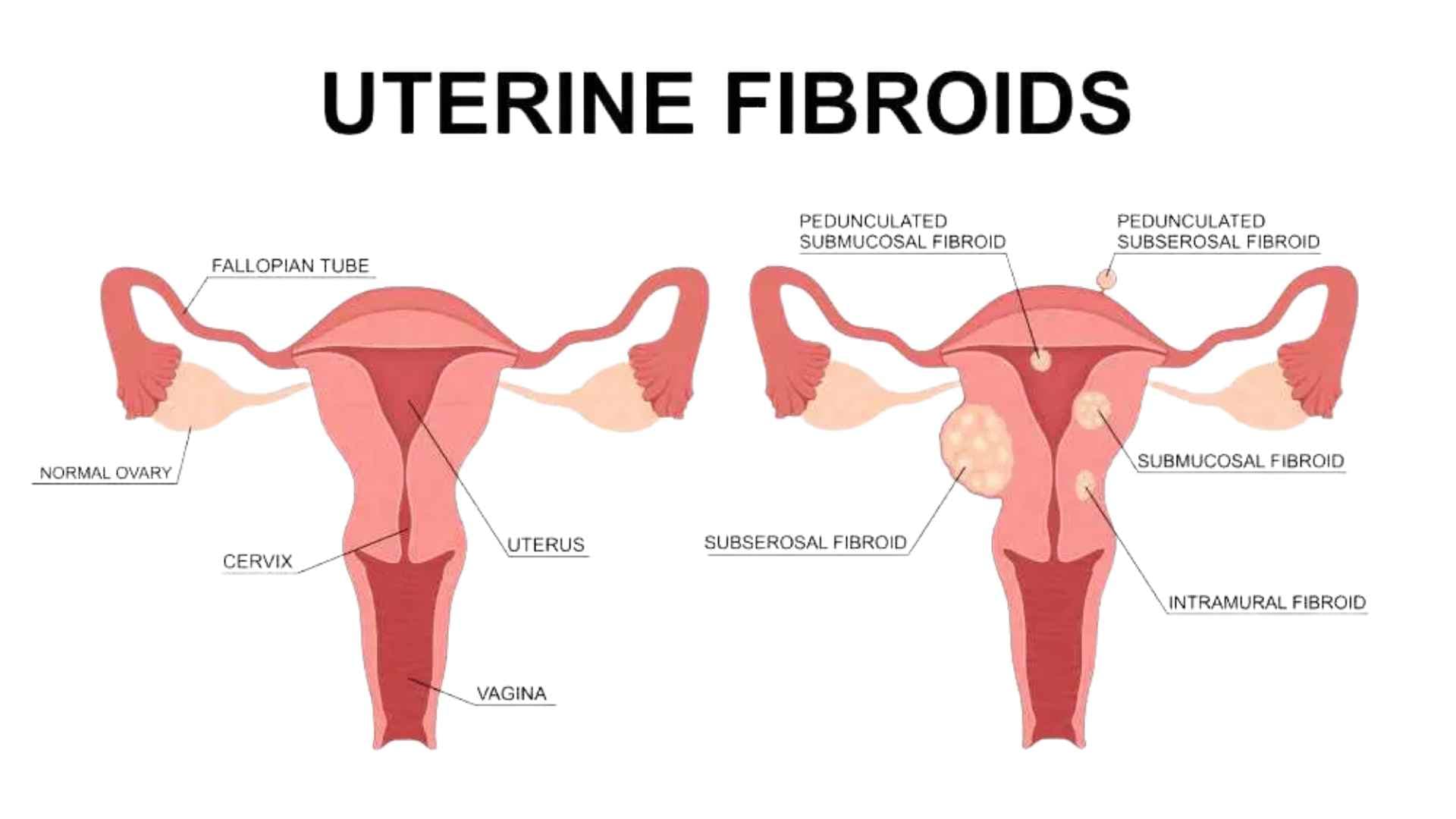
Fibroids are non-cancerous (benign) growths that develop in or around the uterus. Medically, they are called uterine leiomyomas or myomas. They are made of muscle and fibrous tissue, and they can range in size from as small as a pea to as large as a melon in rare cases.
According to research published in Obstetrics & Gynecology, fibroids are found in up to 10% of pregnant women, and the prevalence is higher among South Asian and African women. The exact cause is not fully understood, but hormones particularly estrogen and progesterone are known to fuel fibroid growth. This is one reason why fibroids can grow faster during the first trimester when hormone levels surge.
Types of fibroids that affect pregnancy most:
- Submucosal fibroids - grow inside the uterine cavity and have the highest risk of complications
- Intramural fibroids - grow within the uterine wall; most common type
- Subserosal fibroids - grow on the outside of the uterus; least likely to affect pregnancy
How Common Is It to Have Fibroids During Pregnancy?
More common than most people realize. Studies suggest that around 1 in 10 pregnant women has at least one fibroid. The majority of these women roughly 70 to 80 percent will have completely uncomplicated pregnancies. Fibroids do not automatically mean danger. They mean your care team needs to monitor you a little more closely.
The key factors that determine risk include the size of the fibroid, its location within or around the uterus, and how many fibroids are present. A single small intramural fibroid behaves very differently from multiple large submucosal growths.
Symptoms of Fibroids During Pregnancy: What to Watch For
Many women with fibroids have no symptoms at all the fibroid is discovered during a routine ultrasound. But for others, the following can occur:
- Pelvic pain or pressure, especially in the second trimester
- Lower back pain that does not go away with rest
- Abdominal discomfort that feels different from normal pregnancy round ligament pain
- Frequent urination if a fibroid presses on the bladder
- Constipation due to pressure on the bowel
- Fibroid degeneration a painful condition where the fibroid outgrows its blood supply; usually occurs in the second trimester
Fibroid degeneration (also called red degeneration) deserves special mention. When this happens, the fibroid rapidly increases in size and the tissue inside begins to break down. Women describe it as sudden, intense pain localized to one area of the abdomen. It resolves on its own in most cases but can require hospitalization for pain management. If you experience sudden, severe abdominal pain, always contact your midwife or doctor immediately.
Real Risks: What Fibroids Can and Cannot Do During Pregnancy
Let us be honest about both the risks and the reassurances, because half-truths serve no one.
Risks That Are Real But Manageable
- Increased risk of preterm birth, particularly with multiple or large fibroids
- Placental abruption slightly higher risk if fibroid is near the placental attachment site
- Malpresentation of the baby fibroids can prevent baby from settling into a head-down position
- Higher likelihood of caesarean delivery
- Slightly elevated risk of postpartum haemorrhage
Fears That Are Often Overblown
Many women search frantically for "can fibroids cause miscarriage" and while submucosal fibroids that distort the uterine cavity do carry a modestly higher miscarriage risk, most fibroids do not cause miscarriage. Similarly, the baby's growth is rarely affected because fibroids do not typically interfere with blood supply to the placenta in a meaningful way.
How Prenatal Yoga Helps Women With Fibroids
This is where our expertise at CalmNest Yoga comes in. Yoga cannot shrink fibroids. Let us be clear about that. But what yoga does powerfully, consistently, and with scientific backing is help you manage the pain, anxiety, and physical strain that fibroids create during pregnancy.
Our pregnancy yoga classes are designed specifically for women navigating complications like fibroids, gestational diabetes, and pelvic pain. Every session is adapted to your trimester and your comfort level.
How Yoga Helps With Fibroid-Related Discomfort
- Gentle movement increases blood circulation to the pelvic region, reducing stagnation and pressure
- Breathing exercises (pranayama) directly calm the nervous system and reduce cortisol, which in turn helps manage pain perception
- Supported poses take pressure off the uterus and surrounding ligaments
- Mindfulness meditation helps you disengage from pain and anxiety spirals
- Hip-opening poses maintain mobility even when pelvic pressure makes movement feel difficult
Safe Yoga Poses for Pregnancy With Fibroids
Always work with a qualified prenatal yoga teacher and get clearance from your doctor before starting. The following poses are generally considered safe and beneficial:
- Viparita Karani (Legs Up the Wall) reduces pelvic heaviness and swelling
- Supta Baddha Konasana (Reclined Butterfly) opens the hips gently without abdominal compression
- Balasana (Child's Pose with bolster) relieves lower back pain caused by fibroid pressure
- Cat-Cow stretches keeps the spine mobile and reduces back tension
- Nadi Shodhana (Alternate Nostril Breathing) balances the nervous system and reduces pain sensitivity
Poses to avoid: Deep twists, full inversions, intense core work, and anything that puts direct pressure on the abdomen.
When to Call Your Doctor Immediately
Yoga supports your wellbeing, but it does not replace medical care. Contact your healthcare provider right away if you experience:
- Sudden or severe abdominal pain
- Heavy bleeding
- Signs of preterm labor (regular contractions before 37 weeks)
- Decreased fetal movement
- Fever alongside abdominal pain (this can indicate fibroid degeneration)
Nutrition and Lifestyle Tips That Support a Fibroid-Safe Pregnancy
Diet cannot cure fibroids, but it can support your overall hormonal balance and reduce inflammation both of which matter during pregnancy.
- Increase anti-inflammatory foods: turmeric, ginger, leafy greens, and berries
- Reduce processed sugar and refined carbohydrates which can worsen inflammation
- Include adequate iron-rich foods since fibroids can sometimes cause low-grade bleeding
- Stay well hydrated dehydration worsens pelvic pressure and discomfort
- Work with your prenatal nutritionist to ensure your diet supports both fibroid management and fetal growth
Mental Health and Fibroids: The Emotional Weight Nobody Talks About
Receiving a fibroid diagnosis during pregnancy creates a specific kind of anxiety one that hovers in the background of every appointment, every ultrasound, every kick count. Women in our CalmNest community often describe it as "waiting for something to go wrong."
This is why our approach combines prenatal yoga with pregnancy affirmations and mindfulness. Affirmations are not wishful thinking research shows that positive self-talk and visualization genuinely reduce cortisol and improve pain tolerance. We have a dedicated guide on powerful pregnancy affirmations that many of our fibroid mamas find incredibly helpful.
A consistent yoga and mindfulness practice gives your nervous system a daily reset. Over weeks and months, this changes how your body responds to stress and pain not by pretending everything is fine, but by building real resilience.
Monitoring and Medical Care You Should Expect
If your OB or midwife has identified fibroids, here is what a robust monitoring plan typically looks like:
- Ultrasound scans every 4 to 6 weeks to monitor fibroid size and location
- Regular blood pressure checks since fibroid-associated inflammation can influence blood pressure
- Detailed placental location check to rule out placenta previa near fibroids
- Discussion of birth plan at 36 weeks, including caesarean planning if baby is malpresented
- Postpartum follow-up scan to reassess fibroid size after delivery
Ready to start your fibroid-safe yoga journey? Explore our pregnancy yoga classes at CalmNest Yoga and join a community of women who understand exactly what you are going through.
Also read: Powerful Pregnancy Affirmations for Anxiety and Fear | Prenatal Yoga for Pregnancy Complications