
Discover safe first trimester yoga poses, breathing tips & what to avoid in early pregnancy. A gentle guide for beginners & prenatal yoga in India. Stay calm & fit.
The first trimester of pregnancy is a time of profound transformation. While your body is working quietly behind the scenes to nurture new life, you may be navigating fatigue, nausea, and a whirlwind of emotions. In the midst of this change, many expectant mothers find themselves wondering: Can I still practice yoga?
The answer, with the right precautions, is a gentle yes. First trimester yoga offers a beautiful way to stay connected to your body, calm your mind, and build a foundation for the months ahead. This guide will walk you through what you need to know to practice safely and confidently during early pregnancy.
Is Yoga Safe During Early Pregnancy?
Before we explore poses and practices, let's address the question that matters most. For most women with uncomplicated pregnancies, yoga is considered safe and beneficial. Research consistently shows that prenatal yoga can reduce stress, alleviate common discomforts like back pain, and improve overall well-being during pregnancy .
However, there is one crucial distinction to make. If you are new to yoga, most experts recommend waiting until the second trimester to begin a formal practice. The first trimester is a delicate time when your body is adjusting to significant hormonal changes, and adding a new exercise routine may feel overwhelming. As the ACOG guidelines on exercise during pregnancy note, it's important to avoid becoming overheated, especially in the first trimester, and to always listen to your body .
If you are already an experienced yoga practitioner, you can typically continue your practice during the first trimester, but with important modifications and your healthcare provider's approval. Regardless of your experience level, the golden rule remains: always consult your doctor before starting or continuing any exercise routine during pregnancy.
Understanding Your Body in the First Trimester
To practice safely, it helps to understand what's happening inside your body. During these first thirteen weeks, your baby's major organs are forming—a critical period of development. Your body is also producing higher levels of relaxin, a hormone that loosens your ligaments and joints in preparation for childbirth. While this increased flexibility might sound appealing, it also means you're more prone to overstretching and injury.
Energy levels can fluctuate dramatically. Some days you might feel vibrant and ready to move; on others, simply getting through the day is an accomplishment. This is completely normal. The key is to listen to your body with compassion and adjust your practice accordingly.
Safe Yoga Poses for the First Trimester
The focus of first trimester pregnancy yoga should be on gentle movement, breath awareness, and relaxation rather than intense stretching or strength-building. Here are some safe and supportive poses to explore.
Cat-Cow Pose (Marjaryasana-Bitilasana): This gentle flow between arching and rounding your spine helps relieve back tension and maintains spinal flexibility. Moving with your breath—inhaling as you arch, exhaling as you round—creates a soothing rhythm that can ease early pregnancy discomfort.
Mountain Pose (Tadasana): Standing tall with feet grounded and arms at your sides, this pose cultivates stability and improves posture. As your body begins to change, Mountain Pose reminds you of your inner strength and helps you find balance.
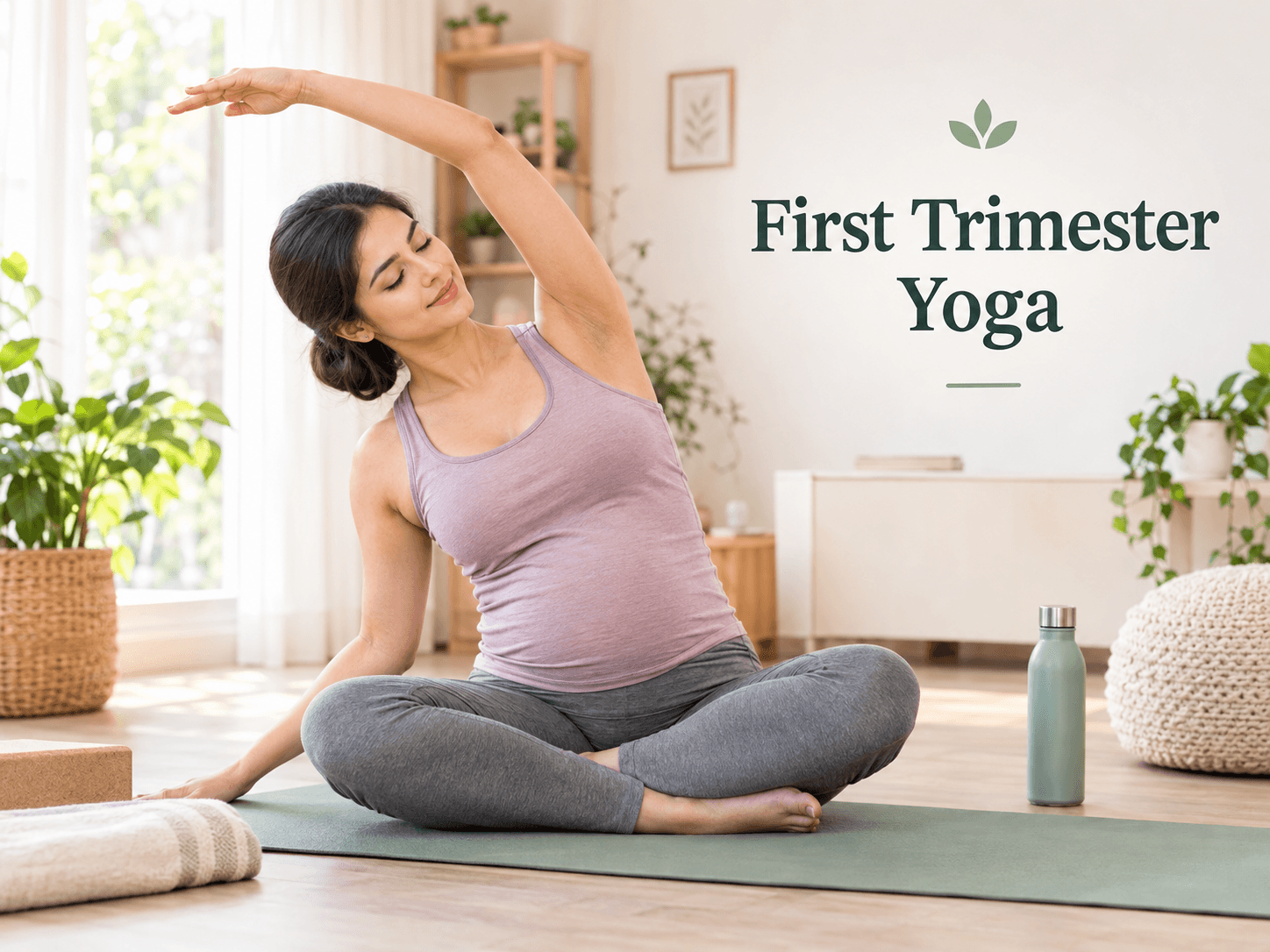
Butterfly Pose (Baddha Konasana): Sitting with the soles of your feet together and knees falling gently outward opens the hips and improves circulation in the pelvic region. Avoid pressing your knees down; instead, let gravity and breath guide the opening.
Child's Pose (Balasana): A resting pose that gently stretches the back and calms the mind. If your knees feel uncomfortable, place a cushion or blanket behind them for support.
Legs-Up-the-Wall Pose (Viparita Karani): Lying on your back with legs resting up a wall promotes relaxation and can help with circulation. This is particularly helpful if you're experiencing swollen ankles or fatigue.
Seated Forward Bend (Paschimottanasana - modified): A gentle forward fold with a cushion under your hips can calm the nervous system. Avoid deep folding; instead, focus on lengthening your spine.
Breathing Practices (Pranayama) for Early Pregnancy
Breathing exercises are a cornerstone of first trimester prenatal yoga. They calm the nervous system, increase oxygenation, and provide tools you'll use throughout pregnancy and labor.
Ujjayi Breath (Ocean Breath): A gentle, audible breath that keeps you focused and relaxed. This breath helps maintain a steady rhythm during your practice.
Nadi Shodhana (Alternate Nostril Breathing): This practice balances the nervous system and can reduce anxiety. It's particularly helpful when your mind feels scattered or worried.
Dirga Pranayama (Three-Part Breath): A slow, deep breathing technique that oxygenates the body and soothes fatigue. Perfect for moments when you're feeling drained.
What to Avoid During First Trimester Yoga
Safety in first trimester yoga means knowing what to skip as much as what to embrace.
Deep twists and backbends: Closed twists that compress the abdomen and intense backbends can strain ligaments and put pressure on your uterus. Open twists that create space are preferable.
Prone poses: Lying on your stomach becomes uncomfortable and potentially harmful as your belly grows. Avoid poses like Cobra or Bow Pose.
Inversions: Headstands, shoulder stands, and other inversions carry a risk of falling and are generally not recommended during pregnancy.
Hot yoga: Practicing in heated environments can cause overheating and dehydration, which is particularly risky during the first trimester when your baby's neural tube is developing. The Mayo Clinic's pregnancy exercise guidance emphasizes the importance of avoiding overheating and exercising in temperature-controlled environments .
Deep abdominal work: Poses like Boat Pose that require strong core engagement should be avoided.
Essential Safety Precautions
Beyond avoiding certain poses, there are general guidelines that make first trimester yoga safe and enjoyable.
Stay hydrated. Keep water nearby and sip throughout your practice. Avoid overheating by practicing in a well-ventilated space.
Use props generously. Blocks, bolsters, cushions, and blankets can provide support and make poses more comfortable. There's no shame in modifying.
Move slowly. Gentle movements are more beneficial than pushing yourself. This is not the time for a vigorous flow.
Listen to your body. If you feel dizzy, breathless, or uncomfortable, stop. Rest. Trust your instincts.
Practice with a certified prenatal yoga instructor. If you're new to yoga or want personalized guidance, working with a qualified teacher who understands pregnancy's unique demands is invaluable. As the NHS guidance on exercise during pregnancy advises, it's generally recommended not to start a brand-new exercise programme before 13 weeks .
The Benefits of First Trimester Yoga
When practiced safely, yoga during early pregnancy offers a wealth of benefits. Physically, it can relieve back pain, improve circulation, and help your body adapt to the changes it's undergoing. Mentally and emotionally, prenatal yoga reduces stress and anxiety, improves sleep, and creates a sense of calm that carries into daily life.
Research also suggests that prenatal yoga may contribute to favorable pregnancy outcomes. A 2021 randomized controlled trial published in Holistic Nursing Practice found that women who practiced integrated yoga during pregnancy had lower rates of preeclampsia and preterm delivery, and their babies had significantly higher Apgar scores and birth weights . Perhaps most beautifully, yoga offers a way to connect with your growing baby—to pause, breathe, and nurture the bond that's already forming.
Finding the Right Guidance
If you're in India or prefer online practice, there are wonderful options for prenatal yoga classes India that bring expert guidance to your home. Online prenatal yoga classes offer flexibility and comfort, allowing you to practice when you feel your best. Look for instructors with specialized prenatal training who can offer personalized modifications for each trimester.
For beginners, a gentle, nurturing approach is best. Prenatal yoga for beginners focuses on foundational poses, breath awareness, and building confidence—not intensity.
Final Thoughts
First trimester yoga is not about maintaining your pre-pregnancy fitness level or pushing through discomfort. It's about honoring the incredible work your body is doing, finding moments of calm amid the changes, and cultivating a practice that supports you through this transformative time.
Be gentle with yourself. Rest when you need to. Celebrate the small victories—showing up for yourself and your baby is one of them.