

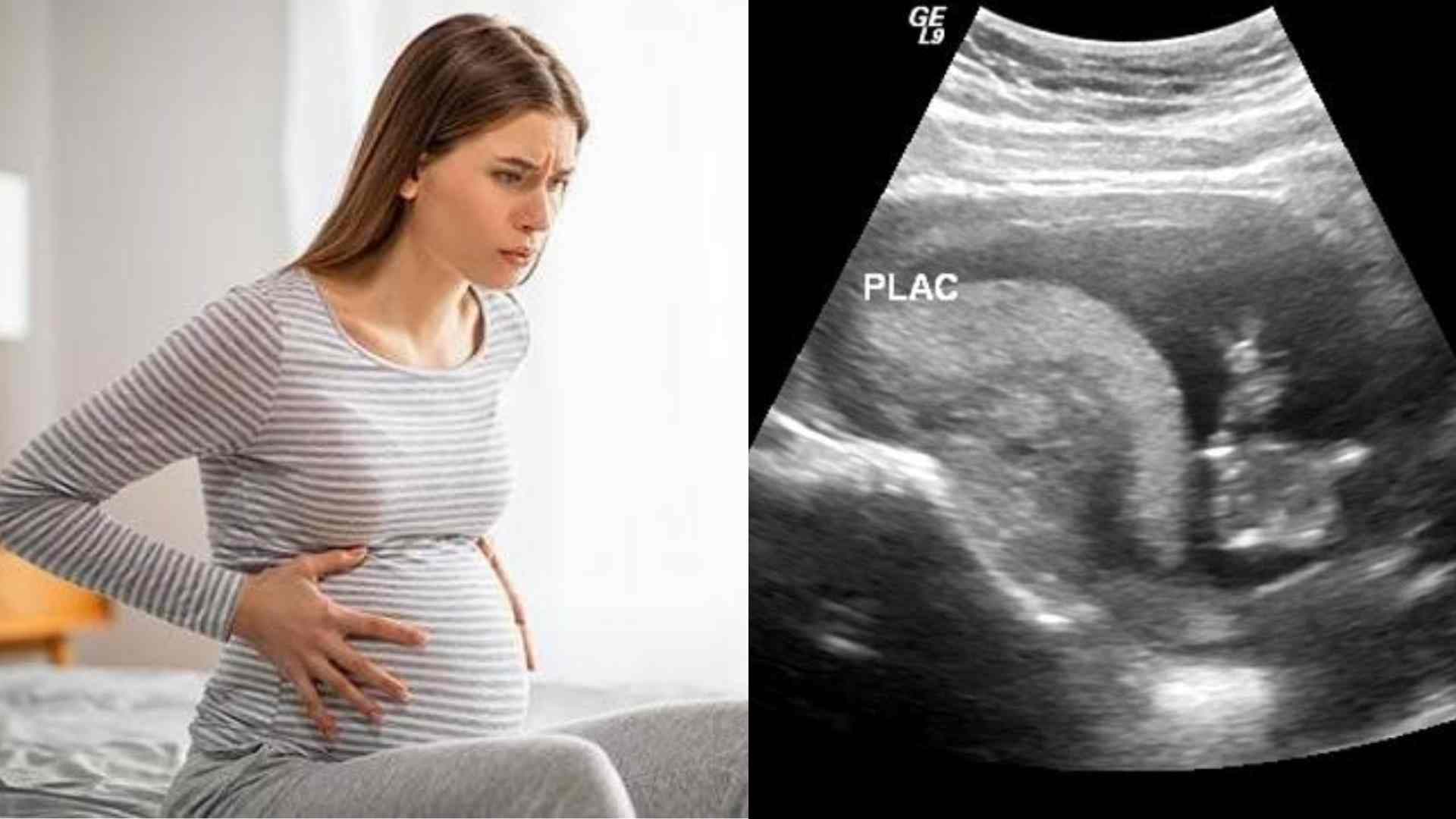
Pregnancy is filled with exciting milestones, but it also brings many new sensations that can leave expecting mothers wondering whether what they are experiencing is normal. One of the most common experiences during the second and third trimesters is Braxton Hicks contractions.
Pregnancy is filled with exciting milestones, but it also brings many new sensations that can leave expecting mothers wondering whether what they are experiencing is normal. One of the most common experiences during the second and third trimesters is Braxton Hicks contractions. Often referred to as "practice contractions" or "false labour," these contractions help your body prepare for childbirth without actually starting labour.
For many first-time mothers, Braxton Hicks contractions can feel confusing because they may resemble early labour. Understanding why they happen, how they feel, and when to seek medical advice can help reduce anxiety and make the final weeks of pregnancy much more comfortable.
Along with learning about these contractions, many mothers also choose Live Online Pregnancy Yoga Classes India to improve flexibility, practice breathing techniques, and prepare both physically and mentally for labour under expert guidance.
What Are Braxton Hicks Contractions?
Braxton Hicks contractions are irregular tightenings of the uterus that occur throughout pregnancy. They are named after Dr. John Braxton Hicks, the British physician who first described them in the late 19th century.
Unlike true labour contractions, Braxton Hicks contractions do not cause the cervix to dilate. Instead, they are considered the body's natural way of preparing the uterus for labour.
Many women begin noticing them during the second trimester, although they become much more frequent during the third trimester.
Why Do Braxton Hicks Contractions Happen?
Although doctors don't know the exact reason why Braxton Hicks contractions occur, they are believed to help prepare the uterine muscles for childbirth.
Several situations can make them more noticeable, including:
Dehydration
Not drinking enough water can make the uterus more irritable and increase the frequency of contractions.
Physical Activity
Walking long distances, climbing stairs, or standing for extended periods may trigger Braxton Hicks contractions.
Full Bladder
A full bladder can sometimes stimulate the uterus and lead to temporary tightening.
Baby Movement
As your baby grows and becomes more active, movements inside the uterus may trigger brief contractions.
Intimacy During Pregnancy
Sexual activity and orgasm may also cause temporary uterine tightening, which is usually harmless in healthy pregnancies.
What Do Braxton Hicks Contractions Feel Like?
Every pregnancy is unique, but most mothers describe Braxton Hicks contractions as:
- Tightening across the front of the abdomen
- A firm or hard belly that lasts for several seconds
- Mild discomfort rather than severe pain
- Irregular contractions that come and go
Some women barely notice them, while others experience them frequently during the final weeks of pregnancy.
Braxton Hicks vs. Real Labour: What's the Difference?
Understanding the difference between Braxton Hicks contractions and true labour can help prevent unnecessary worry.
Braxton Hicks Contractions | True Labour Contractions |
|---|---|
Irregular timing | Regular intervals |
Usually painless or mildly uncomfortable | Become stronger over time |
Stop with rest or hydration | Continue despite changing position |
Do not become progressively closer together | Become more frequent |
Do not cause cervical dilation | Cause the cervix to dilate |
If contractions become regular, stronger, and closer together, contact your healthcare provider immediately.
Common Symptoms Associated with Braxton Hicks
Besides abdominal tightening, you may also notice:
- Mild lower back discomfort
- Temporary pelvic pressure
- Tightness that eases after resting
- No bleeding
- No leaking of amniotic fluid
If you experience heavy bleeding, fluid leakage, or severe pain, seek medical care immediately.
Can Braxton Hicks Contractions Be Painful?
For most women, Braxton Hicks contractions are uncomfortable rather than painful.
However, discomfort levels vary from person to person.
You may notice stronger contractions if you are:
- Dehydrated
- Very active
- Overtired
- Near your due date
Learning breathing techniques through Pregnancy Yoga Classes can help many mothers stay calm and relaxed during these episodes.
When Do Braxton Hicks Contractions Usually Start?
Braxton Hicks contractions may begin as early as 16–20 weeks, although many women don't notice them until the third trimester.
They generally become:
- More frequent after 28 weeks
- Stronger during the final month
- More noticeable in the evenings
- Common after physical activity
Remember that experiencing Braxton Hicks contractions does not necessarily mean labour is about to begin.
How Can Pregnancy Yoga Help?
While yoga cannot stop Braxton Hicks contractions, it can help your body respond more comfortably.
Many expecting mothers choose Live Online Pregnancy Yoga Classes India because structured sessions focus on:
- Gentle stretching
- Pelvic mobility
- Relaxation techniques
- Deep breathing
- Posture improvement
- Stress reduction
These practices can make the later stages of pregnancy feel more manageable while preparing the body for childbirth.
Unlike general exercise programs, pregnancy yoga online sessions are specifically designed for the changing needs of pregnant women and are typically adapted according to trimester and individual comfort.
Why Choose Guided Online Yoga?
Many women today prefer pregnancy yoga online because it allows them to practice safely from home without physical strain.
With expert-led sessions, you can:
- Follow trimester-specific routines
- Learn breathing techniques for nausea control
- Stay consistent without travel
Programs like those offered by CalmNest Yoga are designed specifically for Indian mothers looking for safe and effective support.
👉 https://calmnestyoga.com/
👉 https://calmnestyoga.com/prenatal-yoga-classes
👉 https://calmnestyoga.com/blogs/prenatal-yoga-poses-third-trimester
These pregnancy yoga classes combine expert guidance with comfort, making it easier to manage symptoms like nausea naturally.
Final Thoughts
Braxton Hicks contractions are a normal part of many pregnancies and are often your body's natural way of preparing for labour. Although they can sometimes feel surprising or uncomfortable, understanding how they differ from true labour contractions can help you feel more confident and reduce unnecessary anxiety.
Staying hydrated, getting enough rest, practicing gentle movement, and listening to your body can make these practice contractions easier to manage. If you ever notice contractions becoming regular, more intense, or accompanied by bleeding or leaking fluid, contact your healthcare provider immediately.
Preparing for childbirth is about more than simply waiting for your due date it's about building strength, improving flexibility, and learning to stay calm through every stage of pregnancy. Guided Live Online Pregnancy Yoga Classes India can help expecting mothers develop healthy breathing techniques, improve posture, ease common pregnancy discomforts, and prepare both physically and mentally for labour.
At CalmNest Yoga, every session is designed with the safety and comfort of both mother and baby in mind. Whether you're experiencing Braxton Hicks contractions or simply looking for a safe way to stay active during pregnancy, expert-guided prenatal yoga can support a healthier, more confident, and more enjoyable pregnancy journey.